

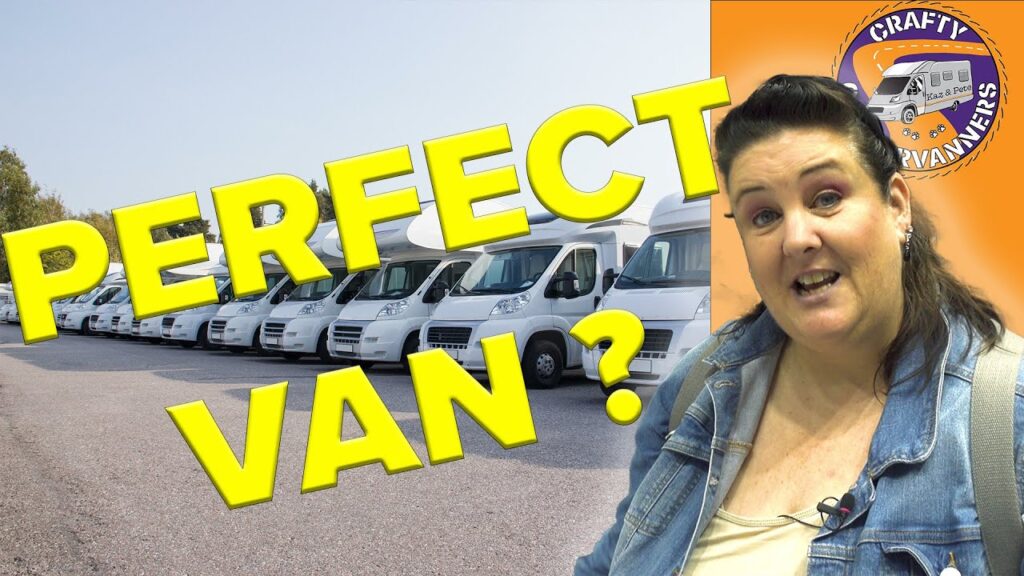
<h1>https://www.youtube.com/watch?v=TCvxku3kaJw Summary: How to Choose the Perfect Leisure Vehicle — 5 Key Takeaways</h1>
If you’re trying to choose the perfect leisure vehicle, the smartest advice from Crafty Campervanners is refreshingly simple: buy for the way you’ll use it most of the time, not for the fantasy trip you might take once a year. That idea runs through the whole video, filmed at the Motorhome & Caravan Show at Birmingham NEC, and it’s the reason this topic still matters in 2026 as prices, licence rules, insurance costs, and off-grid expectations keep changing.
This article turns the video into a practical buyer’s guide. You’ll get the creator’s core advice, key timestamps, step-by-step checklists, and extra context on recreational vehicles, RV rentals, motorhomes, travel trailers, towable RVs, solar power, RV maintenance, RV insurance, and safety. For the original source, watch the video here: Crafty Campervanners on YouTube.
TL;DR — Key takeaways for choosing the perfect leisure vehicle
The fastest way to narrow down the perfect leisure vehicle is to stop comparing headline features and start comparing how a van, motorhome, or trailer fits your real trips. According to Crafty Campervanners, the core idea appears right from the start and is repeated as the main lesson: choose the design for “90% of its use” rather than trying to solve every edge case. That matters because many buyers get distracted by showroom gloss, huge garages, oversized lounges, or luxury RV touches they rarely need.
As demonstrated in the video, the top shortlist comes down to five decisions between 00:20 and 04:30:
- Cab comfort and driving ergonomics
- Layout and storage practicality
- Try-before-you-buy through RV rentals
- Licensing and towing capacity
- Onboard systems, budget, and safety readiness
The creator explains that even a short weekend away often means 2 hours there and 2 hours back, so you may spend 4 hours driving for a simple trip. That one data point alone changes how you should evaluate a vehicle. A comfortable cab, good visibility, and easy driving controls can matter more than one extra cupboard.
Here’s the quick action list to use before you spend serious money:
- Test-drive for at least 2 hours if possible, not just around the block.
- Rent a similar rig for a weekend; typical examples run about £100–£350 per night depending on type and season.
- Check GVW, payload, and towing specs on the vehicle plate and in the manual.
- Budget for insurance, maintenance, solar upgrades, and repairs, not just purchase price.
- Match your layout to regular activities such as sleeping, biking, cooking, work, or towing.
Useful references: original video and UK driving licence categories.
The video’s main thesis: choose for 90% use — what the creator explains
The single best lesson in the video is also the one most buyers ignore. Crafty Campervanners says you should choose the design of van for 90% of its use. Not 100%. Not the dream expedition. Not the once-a-year festival haul. Your normal use. That could mean weekend road trips, short campground breaks, bike trips, coastal camping, or occasional long tours. If you choose around your actual habits, the perfect leisure vehicle becomes much easier to identify.
The video repeats this point because it solves a common buying mistake: over-optimising for rare scenarios. For example, if you only carry bikes on 10% of trips, it may not make sense to reject an otherwise excellent layout just because the internal garage is a little small. As the creator explains, external solutions like a towball bike carrier can solve that need without forcing a compromise on daily comfort.
Here’s a useful way to apply that advice before viewing any motorhomes, class B campervans, class C motorhomes, travel trailers, or fifth-wheel trailers:
- List your top 5 regular trip activities on one page.
- Rank must-haves: sleeping comfort, kitchen use, storage, towing, shower, work space, pet space.
- Mark frequency: every trip, most trips, occasional, rare.
- Reject features that only solve rare use unless they’re safety-related.
- Compare layouts against your top 3 regular uses, not brochure claims.
Two numbers from the video make this practical rather than theoretical: a normal weekend may involve 4 total hours of driving, and a rental test can cost roughly £100–£350 a night. Those figures help you weigh comfort and trial costs against the much bigger risk of buying the wrong setup.

Perfect Leisure Vehicle: Cab comfort & driving ergonomics
If you spend real time on the road, cab comfort isn’t a minor detail. It’s central to choosing the perfect leisure vehicle. The video opens with this point at 00:20–01:10, filmed at Birmingham NEC, and the creator makes a strong case: too many buyers obsess over the lounge, shower, and TV area, then spend only a few seconds testing the driving position. That’s backwards.
As demonstrated in the video, a basic weekend trip can mean 2 hours each way, so a cramped seat, bad ankle angle, awkward gearstick reach, or poor air conditioning can turn a pleasant road trip into a chore. The creator specifically mentions seat adjustment, steering wheel controls, reachable gearstick position, and avoiding ankle ache caused by poor posture.
Use measurable checks during your test drive:
- Seat travel: note whether the seat slides enough for your leg length; many drivers need a meaningful range, often 20cm+ to feel right.
- Mirror adjustment: check side mirror coverage for lane changes and reversing.
- Noise level at 60mph: if possible, aim for a cab quiet enough to hold a normal conversation, often around 65–72 dB in a well-insulated vehicle.
- Rest breaks: plan to stop every 2 hours, which aligns with common fatigue advice for longer drives.
Print this test-drive checklist before visiting dealers:
- Set mirrors and seat first — base, backrest, height, lumbar support, steering reach.
- Test controls — phone integration, infotainment, cruise control, heating, air-con.
- Drive mixed roads — urban streets plus 30–60 minutes on faster A-roads.
- Check visibility — junction view, blind spots, reversing confidence.
- Assess body comfort — knees, ankles, shoulders, lower back, wrist reach.
- Run heating and air-conditioning — poor HVAC becomes obvious quickly.
In our experience, a beautiful habitation area can hide a miserable driver’s seat. Don’t let showroom styling beat long-term comfort.
Perfect leisure vehicle layouts, storage & towing: planning for bikes, gear and daily life
Storage decisions are where many buyers lose perspective. The video shows this clearly at 01:30–02:40 when bike storage comes up. The creator explains that you shouldn’t automatically reject a van because it won’t carry large bikes inside, especially if bikes only come on a minority of trips. That is one of the most useful examples of the 90% rule.
Start with measurements, not assumptions. Measure the height and length of your largest gear in centimetres: bike handlebar width, wheel diameter, crate size, dog cage footprint, paddleboard bag length, or folding chair stack. Then compare those numbers with the internal garage, under-bed storage, and payload margin. A garage that looks large in a showroom may be too low once bedding, ramps, or wheel arches get involved.
Here’s a quick comparison:
- Internal garage: best for full-time living, bad weather access, theft reduction, and cleaner transport of valuable bikes or gear.
- External bike rack or towball carrier: good for weekend use, cheaper, easier to retrofit, and frees interior space.
- Travel trailers and fifth-wheel trailers: often give more living space per pound spent, but towing and campsite manoeuvring become bigger factors.
- Integrated motorhomes such as class A, B, or C units offer one-piece convenience but often tighter payload margins than buyers expect.
Check these towing and storage metrics before buying:
- Remaining payload (kg) after water, gas, passengers, bikes, and accessories
- Garage dimensions (cm) at the narrowest point
- Towing capacity from the vehicle plate and owner manual
- Hitch type and electrical connection compatibility
- Trailer braking systems if towing above light trailer thresholds
If you’re planning full-time RV lifestyle use, internal storage matters much more. If you mostly do short camping weekends, an external rack is often perfectly fine. That one distinction can save thousands.

Try-before-you-buy: RV rentals, test weekends and what to learn
This may be the most expensive mistake-avoidance tip in the whole article: rent before you buy. At 02:40–03:50, the creator strongly recommends RV rentals and shares a blunt personal lesson. According to Crafty Campervanners, renting a similar motorhome for a weekend at roughly £350 would have been cheaper than buying the wrong setup and then changing vehicles later. That’s a far more persuasive argument than any brochure comparison.
Rental pricing varies, but the video’s rough example of £100–£350 per night is still a useful planning range in 2026 depending on vehicle class, region, insurance excess, and season. You don’t need the exact same make and model to learn something valuable. Matching the same class, similar bed format, and similar washroom layout is usually enough.
During a rental, test the things that look fine in a showroom but behave differently in real use:
- Bed length and access — especially midnight bathroom trips
- Shower space — can you turn around comfortably?
- Kitchen ergonomics — chopping, washing up, fridge access, hob spacing
- Storage usability — not just volume, but reach and door swing
- Parking and driving feel — width, mirrors, reversing stress, site entry
Use this rental plan:
- Book the same class/type for 2–3 nights.
- Simulate a normal trip with your real passengers, food, bikes, and routines.
- Keep a pros/cons log after every drive, meal, and overnight stop.
- Compare notes to purchase options before visiting dealers again.
Also check what the rental insurance covers, whether mileage is capped, and whether breakdown support is included. Those details tell you a lot about the ownership reality too.
Types of recreational vehicles: matching type to lifestyle (Class A, B, C, towables)
Not every buyer needs the same kind of recreational vehicle, and the perfect leisure vehicle for one person may be a terrible fit for another. The video’s later section points toward this by showing that size can be deceptive. A relatively modest-looking motorhome can still weigh 4,500 kg. That’s why type, size, and legal limits all need to be considered together.
Here’s a practical breakdown of the main RV categories:
- Class A motorhomes: often 8m+, the biggest and most residential. Best for full-time living, long stays, and luxury RV buyers. Downsides: cost, fuel use, parking stress.
- Class B motorhomes/campervans: usually around 5–6m. Best for urban access, narrow roads, shorter trips, and small RV setups. Downsides: tighter storage and smaller bathrooms.
- Class C motorhomes: often around 6–8m. Good middle ground for families, extra beds, and easier road manners than huge class A models.
- Travel trailers: towable RVs that separate living space from tow vehicle. Usually strong value but require towing confidence and good hitching practice.
- Fifth-wheel trailers: roomier towables with better towing stability when matched properly, but they need a suitable pickup and specialised hitch setup.
The video gives one useful example: a 6.5m motorhome weighing 4,500 kg. That’s a reminder that length alone doesn’t tell you what licence, fuel budget, or payload margin you’ll need. If you want city access and flexible parking, a Class B is often best. If you want full-time living, larger Class A motorhomes or fifth-wheel trailers can offer more wardrobe space, bigger kitchens, and better zoning between living and sleeping.
There are also niche options worth considering: off-road RVs for rough access tracks, luxury RVs for long-term touring comfort, and minimalist small RV setups for couples who prioritise mobility over indoor space. Match the type to your road trips, campgrounds, and daily habits.

Licensing, towing capacity and legal checks (don’t let your licence limit you)
One of the clearest messages in the video arrives at 04:10–04:50: don’t let your current licence automatically decide your purchase. The creator explains that if the right vehicle needs a higher category, you should at least consider upgrading rather than settling for something unsuitable. That’s a practical point, especially when a seemingly manageable motorhome can tip over key thresholds.
The example used in the video is specific: a motorhome around 6.5m long weighing 4,500 kg. In the UK, that generally means you’d need at least a C1 licence. You can confirm categories here: GOV.UK driving licence categories.
Before buying any motorhome, trailer, or towable RV, check these numbers carefully:
- GVW / MAM — the maximum permitted weight of the vehicle
- Kerb weight — what the vehicle weighs before your holiday kit goes in
- Payload (kg) — the real carrying margin left for people, water, gas, bikes, and accessories
- GCM or train weight — max combined weight of vehicle plus trailer
- Towing capacity — often lower than buyers expect
Trailer legality matters too. Depending on trailer weight, you may need proper trailer braking systems, correct electrical connections, and a suitable towbar rating. Here’s the step-by-step check:
- Read the vehicle plate for axle limits, GVW, and train weight.
- Check the owner’s manual for braked and unbraked towing limits.
- Verify trailer braking type and plug compatibility.
- Confirm insurance cover for towing, accessories, and declared modifications.
- Upgrade your licence if needed rather than forcing a bad compromise.
According to Crafty Campervanners, confidence is part of the equation too. A lesson or two in a larger vehicle can widen your options significantly.
Power, systems & maintenance: solar, generators, and long-term RV upkeep
Once you’ve chosen the perfect leisure vehicle on paper, the next question is whether its systems actually support your style of camping. Many buyers focus on beds and bodywork, then discover later that the electrical system is too small for off-grid use, the water setup is awkward, or maintenance costs arrive faster than expected. The video doesn’t go deep on this part, so it’s worth expanding here.
Start with your power profile. A light weekend van with LED lights, a pump, phone charging, and a small fridge may get by with 200W of solar power and 100–150Ah of battery capacity. A more ambitious setup for longer road trips or campground-free stays may need 400–600W of solar and 200–400Ah of lithium battery storage. If you need backup for heavier loads, small portable generators are often around 2–3 kW, though many sites restrict their use.
Build your system plan like this:
- List daily loads — fridge, lights, water pump, heating fan, laptops, inverter use.
- Estimate 24–48 hours of consumption in watt-hours or amp-hours.
- Add weather margin for cloudy days and winter use.
- Check alternator charging and hookup options.
- Inspect maintenance records before purchase.
Routine RV maintenance matters just as much as power sizing. Plan for:
- Annual gas safety checks
- Electrical inspection every 2 years
- Water system sanitising at least seasonally
- Regular damp inspections, especially on older motorhomes and trailers
- Brake and tyre checks before long trips
For model-specific quirks, RV forums are often more useful than brochures because owners will tell you what actually fails, what spares cost, and which upgrades are worth doing first.
Budgeting, insurance, environmental impact and healthy camping
The purchase price is only the opening number. Real ownership costs are what determine whether your perfect leisure vehicle stays enjoyable or becomes a financial drain. A sensible annual budget for many owners lands somewhere between £2,000 and £10,000+ depending on mileage, campsite use, storage fees, maintenance, and insurance. Fuel alone can shift dramatically between a small campervan and a big motorhome, especially if your trips include mountain roads or long motorway runs.
Your spreadsheet should include:
- Finance or depreciation
- RV insurance and breakdown cover
- Fuel
- Campsite or campground fees
- Maintenance and annual servicing
- Tyres, brakes, damp checks, and repairs
- Retrofits such as solar, awnings, bike carriers, security, or insulation
Get at least 3 insurance quotes, and make sure they account for modifications, towing, off-road use, storage location, and declared mileage. Cheap cover that excludes accessories or trailer use isn’t really cheap.
There’s also the environmental side, which competitors often ignore. Typical motorhomes may return roughly 20–30 mpg equivalent depending on size and driving style. You can reduce impact by planning efficient routes, cutting idle time, using solar power to reduce generator hours, and choosing longer stays over constant repositioning. RV culture affects local communities too. Overcrowding, improper waste disposal, and inconsiderate parking can put pressure on small towns and rural areas, so being a respectful visitor matters.
Healthy cooking while camping helps both budget and wellbeing. In small RV kitchens, keep it simple:
- Plan 3 easy dinners before departure.
- Use compact appliances you’ll actually store safely.
- Batch ingredients to cut waste and washing up.
- Choose durable fresh foods like wraps, eggs, oats, tinned beans, pre-cut veg, and rice.
It sounds basic, but eating well on the road makes the whole RV lifestyle more sustainable.
Safety, campgrounds, community impact & RV lifestyle tips
Safety starts before the engine turns over. Whether you’re using a class B van, a class C motorhome, a travel trailer, or a bigger towable RV, the essentials don’t change: tyres, brakes, lights, gas, and security checks should be routine. Many experienced owners inspect tyre pressures before every significant trip and schedule brake inspections at least annually, or sooner for heavier vehicles and frequent towing use.
A practical pre-trip list includes:
- Tyre pressures and tread condition
- All lights and indicators
- Gas bottle security and leak awareness
- Water, waste, and hookup checks
- Loose items secured before travel
- Hitching check for trailers and bike carriers
For campgrounds, choose based on your trip style rather than chasing the cheapest pitch. Some road trips need full facilities, some only need a safe overnight stop, and some off-grid locations demand extra self-sufficiency. Be considerate: keep noise down, dispose of waste correctly, avoid blocking local access roads, and spend money locally when you can. The impact of RV culture on small communities is real, and respectful behaviour helps protect access for everyone.
If you travel solo, add a few extra habits. A tracker, roadside assistance membership, and a reliable charging setup are worth it. Park where you can leave easily in the morning, trust your instincts, and keep a simple check-in routine with someone at home. Extended solo travel can be brilliant, but it can also feel isolating, so building in community through RV forums, campsite chats, and planned stops helps more than people expect.
Pack a small safety tray with first aid kit, fire extinguisher, wheel chocks, torch, warning triangle, gloves, and spare fuses. You’ll use it sooner or later.
Accessories, final purchase checklist and next steps
Accessories should solve actual problems, not just fill a shopping basket. Once you know how you travel, it becomes easier to choose sensible RV accessories for your perfect leisure vehicle. Typical price ranges vary, but a useful shortlist includes:
- Bike carrier or towball rack: roughly £150–£700+
- Portable generator: roughly £300–£1,200+
- Solar panel upgrade: roughly £200–£1,500+ depending on size and battery pairing
- Awning: roughly £400–£1,500+
- Hitch lock and security devices: roughly £30–£250+
- Trailer braking or towing accessories: cost varies by trailer type and installation
Before buying, run this final checklist:
- Complete a real cab test-drive, ideally close to 2 hours.
- Finish a rental trial report on a similar vehicle type.
- Check GVW, payload, towing capacity, and licence category.
- Inspect water, gas, and electrical systems.
- Get insurance quotes including accessories and towing.
- Search RV forums for known faults on the exact model.
- Book a professional pre-purchase inspection, especially for used units.
As the creator explains, the right choice is rarely the flashiest one. It’s the vehicle that makes ordinary weekends easy, comfortable, and affordable. For the original on-site examples and the personality that makes the advice stick, watch Crafty Campervanners’ video here. Then shortlist three models, book a rental, and move from browsing to evidence-based buying.
FAQ — People Also Ask (quick answers to common buyer questions)
Below are the common questions buyers ask when comparing motorhomes, campervans, travel trailers, and other towable RVs. These quick answers build on the sections above and the advice shown in the Crafty Campervanners video.
Conclusion: choosing the right leisure vehicle without expensive regret
The biggest lesson from this video is easy to remember and hard to ignore once you’ve heard it: buy for your real life. According to Crafty Campervanners, the best leisure vehicle is the one designed for 90% of its use, not the one that looks most impressive at a show. That applies whether you’re comparing class A motorhomes, class B motorhomes, class C motorhomes, travel trailers, fifth-wheel trailers, or compact campervans.
If you want a practical next step, keep it simple. First, write down how you actually travel. Second, test the cab properly. Third, rent a similar rig for a weekend. Fourth, check weight, towing, and licence rules before getting emotionally attached to any model. Finally, build a full ownership budget that includes insurance, maintenance, fuel, upgrades, and safety gear.
Do those five things and you’ll avoid the most common, expensive mistakes. More importantly, you’ll end up with a vehicle that suits your road trips, camping style, storage needs, and comfort expectations for 2026 and beyond.
Frequently Asked Questions
Can I tow a smaller trailer with a Class B van?
<p>Yes, a <strong>Class B motorhome</strong> or campervan can often tow a small trailer, bike trailer, or light gear trailer, but you must check three things first: <strong>towing capacity</strong>, <strong>hitching setup</strong>, and whether <strong>trailer braking systems</strong> are required for the trailer weight. As Crafty Campervanners stresses in the video, don’t guess from size alone; a compact van may still have limited payload or towing limits.</p><p>Check the vehicle plate, owner’s manual, and your insurance policy before towing. If you’re comparing options, see the sections above on <em>layouts, storage & towing</em> and <em>licensing, towing capacity and legal checks</em>. You can also review UK category rules here: <a href="https://www.gov.uk/driving-licence-categories">GOV.UK driving licence categories</a>.</p>
Should I rent or buy first?
<p>For most buyers, <strong>rent first</strong>. The creator explains that a weekend hire would have cost roughly <strong>£350</strong>, which would have been far cheaper than buying the wrong layout and then changing vehicles later. That’s one of the most practical points in the whole video.</p><p>A good rule is to rent a similar rig for <strong>2–3 nights</strong> and use it exactly as you would on a normal trip: drive it, cook in it, shower in it, and sleep in it. See the <em>try-before-you-buy</em> section above for a step-by-step rental plan and real-world testing checklist.</p>
Do I need a C1 licence for a 4.5t motorhome?
<p>If your motorhome has a <strong>maximum authorised mass of 4,500 kg</strong>, you will typically need a <strong>C1 licence</strong> in the UK. The video uses a specific example: a <strong>6.5m motorhome weighing 4,500 kg</strong>, and Crafty Campervanners points out that this requires at least C1 entitlement.</p><p>Always confirm current rules directly with <a href="https://www.gov.uk/driving-licence-categories">GOV.UK</a>, because licence entitlements vary by age and test history. The deeper explanation is in the licensing section above, along with the reminder not to let your current licence limit your long-term choice if an upgrade makes sense.</p>
How much solar power do I need for off-grid camping?
<p>A practical starting range for off-grid camping is <strong>200–600W of solar power</strong>, paired with roughly <strong>100–400Ah of leisure battery capacity</strong>. Smaller weekend setups might cope with 200W and a single battery, while longer stays with a compressor fridge, lighting, pump, fans, and device charging usually need more.</p><p>The best method is to calculate your own daily watt-hours rather than copying someone else’s setup. Add up each appliance, estimate 24–48 hours of use, and then size your system with a weather margin. The <em>power, systems & maintenance</em> section above gives a simple buyer action plan.</p>
What’s the environmental impact of RV travel?
<p><strong>RV travel has a real environmental footprint</strong>, mostly from fuel use, campsite resource consumption, and generator hours. Typical motorhomes may return around <strong>20–30 mpg</strong> equivalent depending on size, weight, speed, and terrain, so route planning and driving style matter more than many buyers expect.</p><p>You can lower impact by driving fewer unnecessary miles, idling less, using solar power to cut generator runtime, disposing of waste properly, and supporting campgrounds and communities responsibly. The section on <em>budgeting, insurance, environmental impact and healthy camping</em> covers practical ways to reduce both emissions and costs.</p>
Key Takeaways
- Choose the vehicle for 90% of your real trips, not rare edge cases or showroom features.
- Cab comfort matters more than many buyers think because even short trips may mean 4 hours of driving.
- Renting a similar RV for 2–3 nights can save far more money than buying the wrong layout first.
- Always verify GVW, payload, towing capacity, and licence requirements before committing to a purchase.
- Budget for ownership, not just buying: insurance, maintenance, solar, repairs, campgrounds, and fuel all add up.
Related Posts
 Sell Your Leisure Vehicle to Edwards Motorhomes
 State Trailer Supply is your one source for all your recreational vehicle parts
 Are There Any RV Sales At Camping World For Recreational Vehicles?
 Are There Any RV Sales At Camping World For Recreational Vehicles?
 Are There Any RV Sales At Camping World For Recreational Vehicles?