Are you looking for a combined backup camera and tire pressure monitoring system that keeps your RV, truck, trailer, or camper safe and gives you one less thing to worry about on long trips?
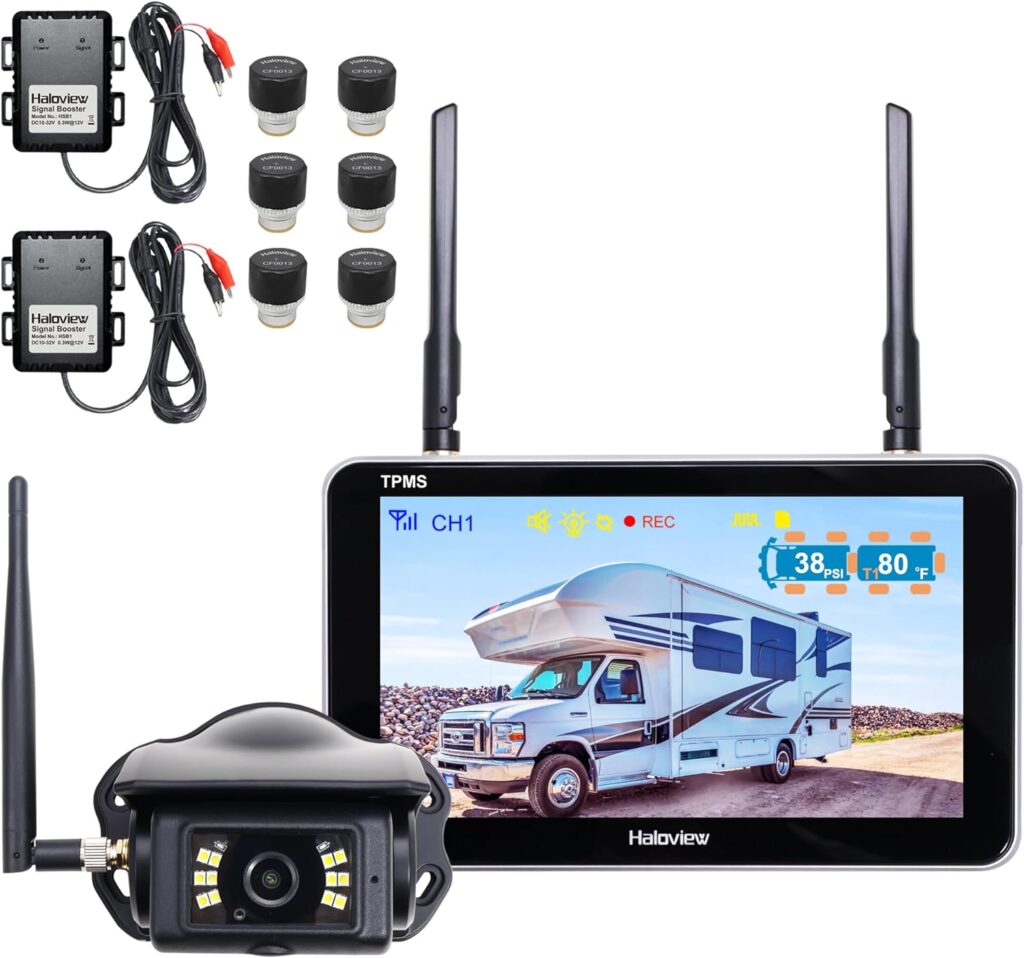

Overview of the Haloview Byte Tango BT7 TPMS with 6 Sensors 1080P Wireless Backup Camera System with Integrated Rv Tire Pressure Monitoring System for RV Truck Trailer Camper TPMS-6
You’re getting two important safety systems in one package: a wireless 1080P backup/observation camera setup paired with a six-sensor TPMS. The system is designed to show real-time tire pressure and temperature right on the camera display so you can monitor both vision and tire health without swapping screens.
What this product promises
It promises real-time tire pressure and temperature overlays on your camera views, automatic cycling through tire data, adjustable overlay transparency, and a range of audible and visual alerts. You should expect a setup that supports up to four camera views, auto/manual TPMS sensor pairing, and durable sensors built for heavy vehicles.

Haloview Byte Tango BT7 TPMS with 6 Sensors 1080P Wireless Backup Camera System with Integrated Rv Tire Pressure Monitoring System for RV Truck Trailer Camper TPMS-6
Key specifications at a glance
You’ll want the important facts up front, so you can quickly decide if this is a match for your vehicle and needs. Below is a concise breakdown to make that easier.
| Feature | Details |
|---|---|
| Product Name | Haloview Byte Tango BT7 TPMS with 6 Sensors 1080P Wireless Backup Camera System with Integrated Rv Tire Pressure Monitoring System for RV Truck Trailer Camper TPMS-6 |
| Camera resolution | 1080P (supports Byte Tango camera models BTC128/BTC129/BTC126/BTC133/BTC125) |
| TPMS sensors | 6 external sensors included |
| Sensor data | Real-time tire pressure and temperature |
| Display integration | TPMS overlay displays on camera view, cycles every 5 seconds |
| Alert types | High/low pressure, high temp, fast/slow leaks, lost signal, low sensor battery |
| Pairing methods | AUTO Learn (one-click) and manual ID input |
| Camera views | Up to four camera inputs supported |
| Mounting | Wireless camera(s), monitor mountable on dash or windshield |
| Power | Camera and monitor require vehicle power; sensor battery longevity depends on use |
| Use cases | RVs, trucks, trailers, campers, haulage vehicles |
Why these specs matter to you
These technical details show you the combined value: a reliable camera for reversing and surveillance plus an integrated tire monitoring system that keeps you aware of critical tire conditions. When you’re hauling loads or covering long distances, timely alerts and a clear rear view can prevent breakdowns and accidents.

Design and build quality
You’ll appreciate hardware that feels built for rugged use on larger vehicles. Both the monitor and external sensors are designed to withstand outdoor exposure and highway vibrations.
Monitor and camera housing
The monitor’s build is solid with a clear touchscreen/menu interface that’s designed for in-vehicle mounting. The compatible Byte Tango cameras have sturdy housings and connectors suitable for exterior mounting on your RV, truck, trailer, or camper.
Sensors and durability
The included external sensors are metal-cased and threaded for direct valve attachment, which makes them more durable than many plastic alternatives. They’re intended to resist road debris, weather exposure, and the typical wear and tear of highway use.
Installation and setup
You’ll find the system fairly straightforward to install if you’re comfortable with basic wiring and mounting tasks. It’s worth planning the camera placement and sensor installation before you start.
Camera installation
Mounting the camera on a rear structure, roofline, or bumper is standard; run the camera power cable to the monitor and a power source. The wireless aspect reduces cabling needs back into the cab, but you still need to supply power to the camera and the main monitor.
Sensor installation and pairing
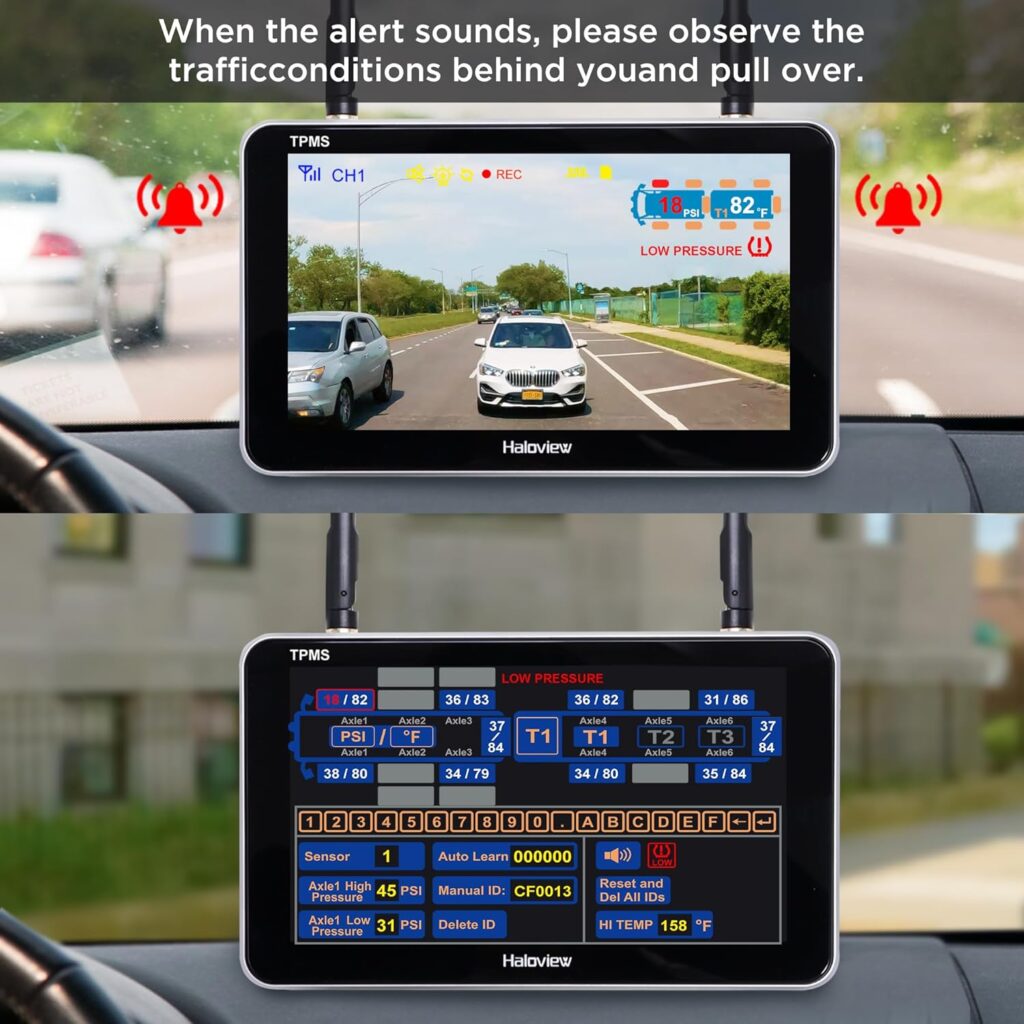
You attach the six TPMS sensors to the valve stems and use either AUTO Learn for one-click pairing or manual sensor ID input if you need more control. The monitor’s TPMS menu shows all tires, code buttons, and an on-screen keyboard in a single view which makes pairing and ID assignment easy.
TPMS features explained
You’ll get more than basic pressure readouts — the Haloview BT7 offers configurable alerts, temperature monitoring, and visual overlays that appear directly on camera views.
Real-time overlay on camera view
The system displays tire pressure and temperature data directly in the camera feed, cycling through each tire every 5 seconds so you don’t have to toggle menus. You can enable or disable the overlay and adjust transparency so the view stays useful without blocking critical sightlines.
Advanced alert system
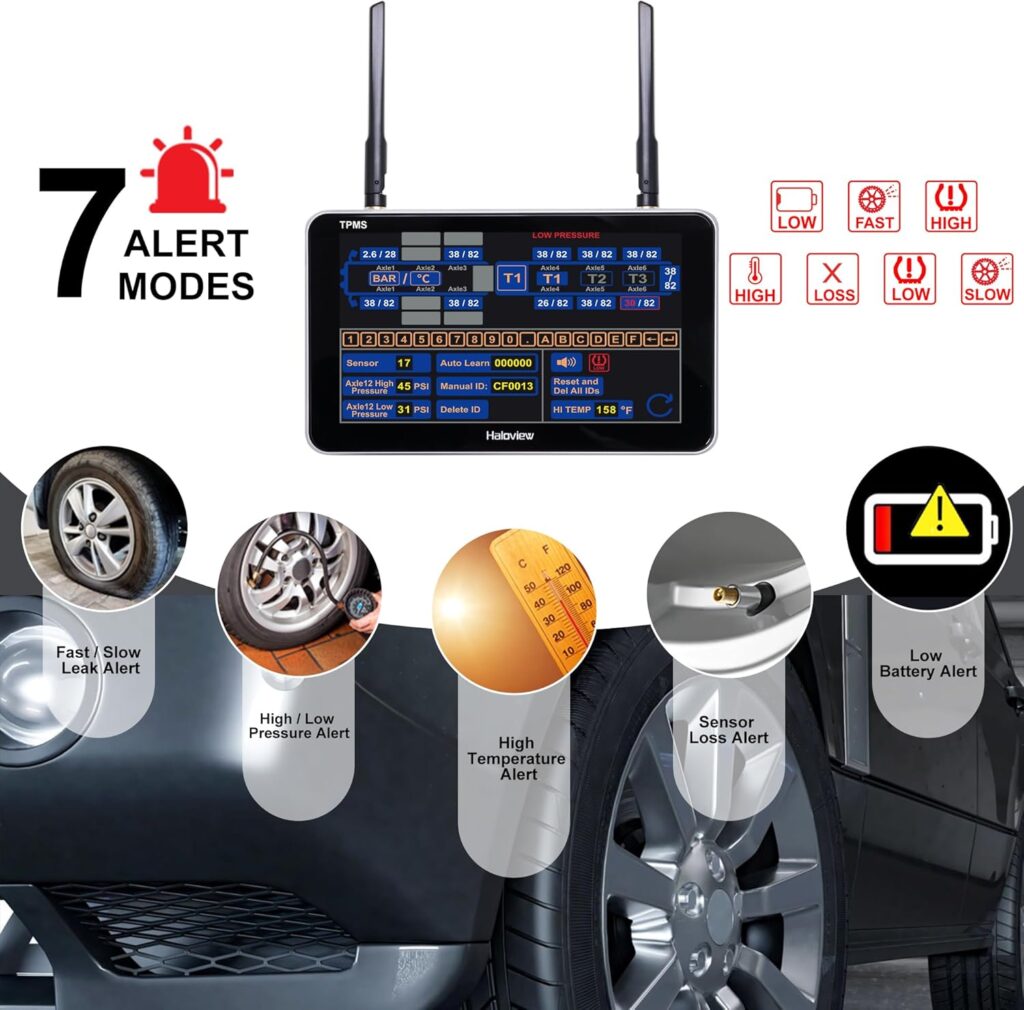
Alerts include high and low pressure, high temperature, fast and slow leaks, lost sensor signal, and low sensor battery. When any metric strays from preset safe ranges, the monitor produces both visual and audio warnings to draw your attention immediately.
Camera performance and video quality
You’ll want a clear, lag-free image when reversing or monitoring cargo; the 1080P camera provides a marked improvement compared to lower-resolution systems.
Image clarity and night performance
The 1080P resolution gives you crisp details for license plates, obstacles, and hitch connections during daylight. Night vision capabilities (infrared or low-light sensitivity depending on camera model) help with darkness, but you should expect some grain at longer distances or in poorly lit environments.
Wireless latency and signal reliability
Because the system communicates wirelessly, you might notice minor latency under certain conditions, especially with multiple cameras or in areas with RF interference. In normal use around a properly installed rig, signal stability is usually strong enough for reverse maneuvers and general monitoring.
Sensor performance and accuracy
Accuracy matters when you’re watching tire pressure and temperature on a heavy vehicle. The BT7 sensors are designed to provide timely, reliable readings.
Pressure and temperature accuracy
The sensors report both pressure and temperature in real time, which helps you monitor heat buildup that can precede blowouts. The system’s alerts are tuned to prompt action before a minor issue becomes a major failure.
Battery life and replacement
Sensor battery life will depend on sensor wake intervals, temperature extremes, and how often the IMD polls for data. You should expect good longevity from the included batteries, but you will need to plan for eventual battery replacement — the monitor will alert you to low sensor battery status.
User interface and menu navigation
You’ll be spending time in the monitor menu for pairing, configuration, and quick checks, so a clear interface matters. The BT7’s menu layout aims to keep things uncomplicated.
Layout and ease of use
The TPMS menu displays all tires, pairing buttons, and an on-screen keyboard in a single view so you can manage sensors without digging through nested menus. The overlay transparency, cycling interval, and alert thresholds are adjustable from the same interface.
Pairing options and ID management
AUTO Learn simplifies setup with one-click pairing, ideal when you want a fast, hands-off install. The manual ID method is available if you prefer to assign sensors to specific tire positions, which is useful for trailers or multi-axle rigs where sensor positions matter for load balancing.
Alerts, warnings, and what they mean for you
Alerts are only useful if you understand them; the BT7’s alerts are comprehensive and deliver clear calls to action.
Types of alerts and recommended actions
When you see a high or low pressure alert, you should reduce speed and inspect the tires for damage or leaks. High temperature alerts signal possible overheating from underinflation or heavy loads, and fast leak notifications mean you should pull over safely and check immediately. Lost signal might indicate a sensor issue or physical damage that needs attention.
Customizing alert thresholds
You can configure alert thresholds to match your vehicle’s recommended tire pressures and operating conditions. This flexibility helps prevent false alarms while ensuring you’ll get notified when conditions truly require intervention.
Day-to-day use cases and scenarios
You’ll benefit from this system whether you’re backing into tight sites, monitoring a trailer load, or driving long distances.
Reversing and parking
The camera overlay with TPMS data helps you manage both spatial awareness and tire health while backing into campsites or loading docks. This dual information stream helps you remain safer and more confident when maneuvering large vehicles.
Long-haul travel and freight
On extended trips you’ll appreciate automatic alerts and the ability to glance at tire stats without opening a separate app or device. The system helps you detect slow leaks and heat buildup early, which can save you from roadside repairs and downtime.
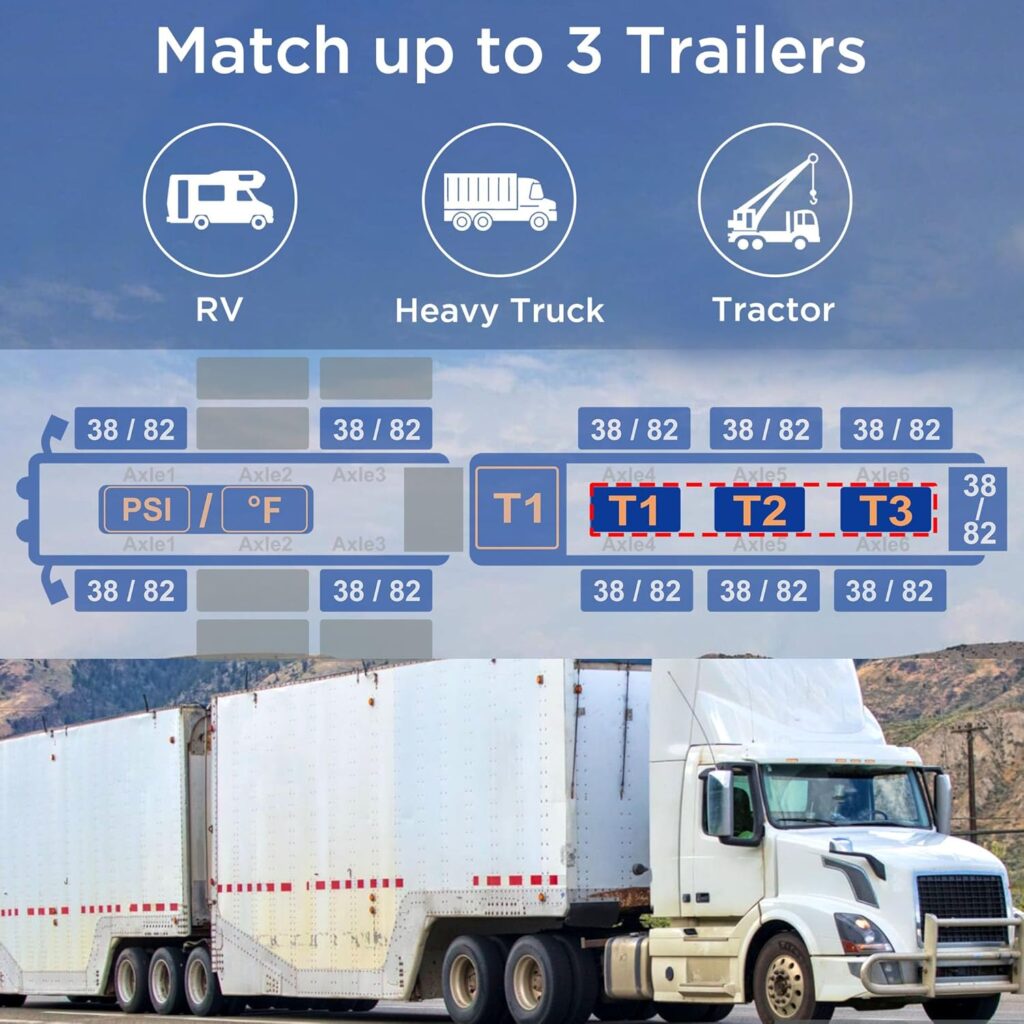
Compatibility and expandability
If you want more cameras or to swap models, the BT7 platform supports several Byte Tango cameras and multiple camera views.
Supported cameras and multi-view options
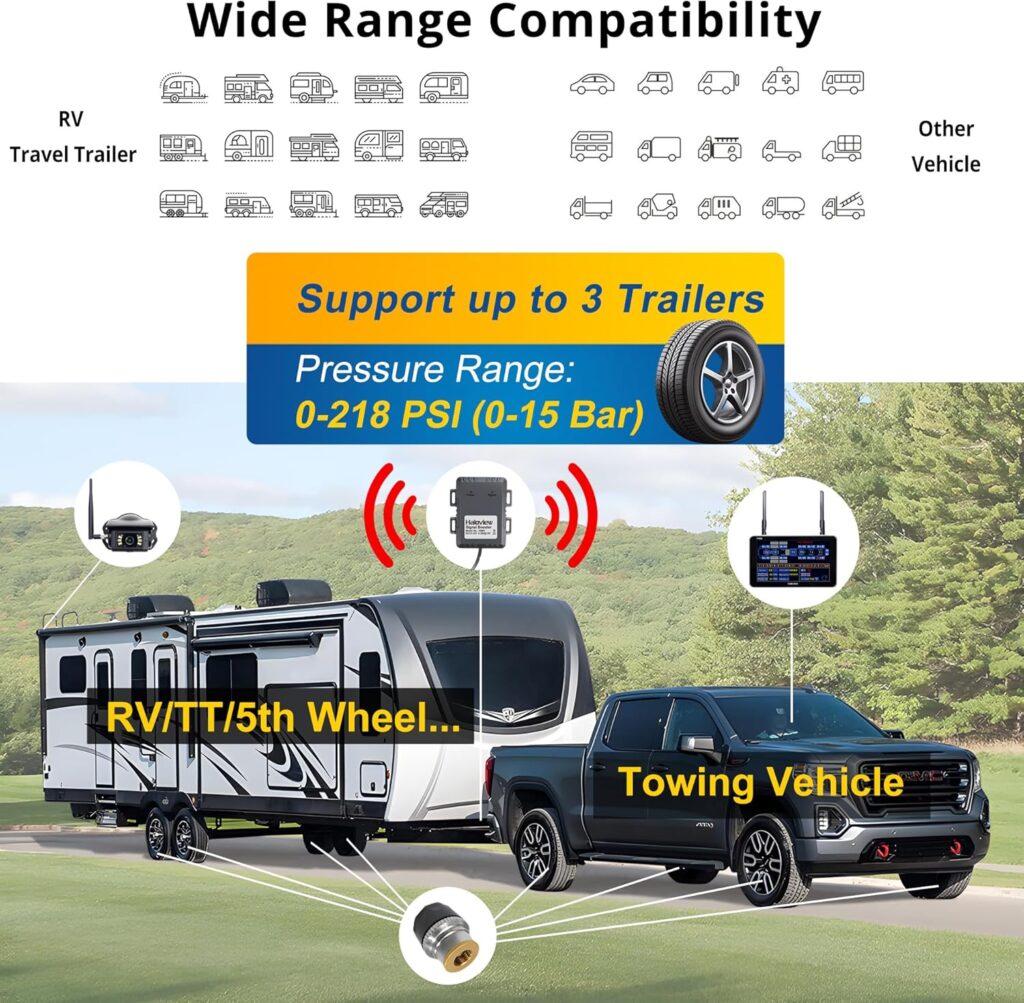
The system is compatible with Byte Tango camera models BTC128, BTC129, BTC126, BTC133, and BTC125 and supports up to four camera feeds. You can mix views (rear, side, interior) to cover blind spots and cargo areas.
Using it on different vehicles
Whether you use it on an RV, truck, trailer, or camper, the sensors and monitor work well across these vehicle types. You should ensure proper sensor placement and camera mounting for best results on multi-axle rigs.
Pros and cons
You’ll want a clear list of strengths and potential limitations to weigh before purchasing. Below are the key advantages and known trade-offs.
Pros
- Dual-function system (backup camera + integrated TPMS) reduces equipment clutter and cost.
- Real-time TPMS overlay on camera view improves situational awareness without switching screens.
- Six external sensors included give you comprehensive tire coverage for most RV and trailer setups.
- Multiple alert modes cover most critical tire failure scenarios.
- Support for up to four cameras removes blind spots and helps protect cargo.
- AUTO Learn pairing simplifies setup for most users.
Cons
- Wireless signal can be subject to interference in certain environments; mounting and routing affect reliability.
- External sensors require occasional battery replacement and periodic re-torqueing.
- Night performance varies depending on camera model; low-light scenes can be grainy at distance.
- Some users may prefer internal sensors for theft prevention and less exposure to road damage (external sensors are more vulnerable).
Troubleshooting common issues
You’ll occasionally encounter hiccups; knowing quick fixes helps you get back on the road fast.
Weak camera signal or video dropouts
Check camera antenna placement, ensure line-of-sight where possible, and confirm the monitor and camera are not separated by heavy metal obstructions. Relocating the antenna or adjusting camera mounting positions typically restores signal.
TPMS sensor not reporting
Confirm sensor threads are securely attached to the valve stems and not cross-threaded. Use manual ID input if AUTO Learn fails, and check for low battery alerts that may prevent transmissions.
False or frequent alerts
Verify your threshold settings and calibrate thresholds to match your tire specs and intended loading. Also check for mechanical causes like valve leaks, tread damage, or improper inflation rather than assuming the sensor is at fault.
Maintenance and longevity tips
You’ll extend the life and reliability of the system with some routine checks.
Sensor care
Periodically check sensor fitment, clean threads, and replace batteries when the monitor warns. Re-torque sensors after extended highway use and confirm they remain secure after heavy vibrations or impacts.
Camera and monitor upkeep
Keep the camera lens clean and free of condensation; verify seals and mounts for corrosion to avoid water ingress. For the monitor, avoid long exposure to direct sunlight that can degrade screen life over time.
Value and cost considerations
You’ll balance initial purchase cost against potential savings in avoided breakdowns, safer reversing, and less downtime. For many users who tow or drive large recreational vehicles, the combination of camera and TPMS in one system represents good value.
Comparing to single-function systems
Buying separate camera systems and TPMS units can cost more and complicate mounting and cab space; the BT7’s integrated approach saves space and simplifies management. You’ll gain the convenience of single-screen monitoring and consolidated alerts without juggling multiple apps or devices.
Long-term savings
Early detection of slow leaks or overheating tires prevents costly blowouts, roadside assistance calls, and potential cargo damage. Over the lifetime of the vehicle, avoiding even one major incident can justify the system cost.
Frequently asked questions
You’ll likely have some practical questions about daily use and technical compatibility. Below are answers to common concerns.
Can you install more than six sensors?
The packaged system includes six sensors, which cover many typical RV and trailer setups. If you need more than six, check Haloview’s product line or contact support to confirm expansion possibilities or multi-system approaches.
How often do sensors need new batteries?
Battery life depends on reporting frequency, operating temperatures, and sensor usage. Expect multiple seasons of service, with explicit low-battery alerts to prevent sudden failures.
Will the overlay block my view?
You can adjust the overlay transparency or disable it entirely if it obstructs critical view areas. The automatic cycling every 5 seconds helps keep individual tire data readable without cluttering the screen.
Recommendations for purchase and use
You’ll want practical tips for getting the most from this system once you buy it.
Best use scenarios
If you tow trailers, haul heavy loads, or drive large RVs for long distances, this system gives you immediate safety benefits. It’s particularly helpful when you need both enhanced rear visibility and continuous tire monitoring without added complexity.
Installation tips
Pre-plan camera and antenna placement to minimize obstructions. Take time to pair sensors with exact wheel positions during initial setup so alerts correspond to the correct tires. If you aren’t comfortable running power wiring, use a professional for the camera power to avoid electrical issues.
Final thoughts
You’ll get a robust, user-friendly package that combines essential safety functions into a single system designed for larger vehicles. The Haloview Byte Tango BT7 TPMS system helps you monitor tire health and camera views in one place, reducing distraction and improving safety.
Who should consider this product
If you regularly drive or tow with an RV, truck, trailer, or camper and want to prevent tire-related incidents while improving rear visibility, this integrated system is a strong candidate. It fits users who appreciate clear alerts, a single consolidated monitor, and flexible camera options.
Last practical note
Make sure to match the camera model you choose to your mounting and lighting needs and plan sensor placement to reflect your axle layout. With proper installation and periodic maintenance, you’ll gain greater peace of mind on every trip.

Disclosure: As an Amazon Associate, I earn from qualifying purchases.