
Which RV camping spots in Washington State should you prioritize on your next road trip?


What this guide will do for you
This article helps you plan an unforgettable RV trip through Washington State by highlighting the top camping spots, tips for RVers, permit and reservation info, and suggested itineraries. You’ll get detailed, practical guidance so you can pick the best campgrounds for your rig, season, and interests.
How to use this guide
Scroll to regions or campgrounds that interest you, read the planning tips and logistics, and then use the itinerary sections to string together stops. You’ll find comparison tables to speed decision-making and checklists so you don’t forget essentials.
Quick comparison: Top RV camping spots at a glance
This table gives you a fast overview of standout campgrounds, with typical RV length limits, hookups, and the experience you can expect.
| Campground | Region | Typical RV Length Limit | Hookups | Best season | Primary attractions |
|---|---|---|---|---|---|
| Deception Pass State Park | Northwest / San Juan vicinity | 40+ ft (varies by loop) | Some full/partial | Spring–Fall | Dramatic bridges, beaches, tidepools |
| Moran State Park | San Juan Islands (Orcas Island) | 32–35 ft | Limited | Summer | Lakes, waterfalls, hiking |
| Fort Worden State Park | Puget Sound / Port Townsend | 35–40 ft | Full/partial in sections | Spring–Fall | Historic military, beaches, arts |
| Lake Crescent / Fairholme Campground | Olympic NP (west) | 30–40 ft | No/limited | Summer | Mountain lake, clear water, trails |
| Kalaloch / Ruby Beach (camping area) | Olympic Peninsula coast | 30–40 ft | None (primitive) | Spring–Fall | Sea stacks, oceanfront camping |
| Hoh Rain Forest (nearby campgrounds) | Olympic Peninsula | 35–40 ft | Limited | Summer | Old-growth, lush mossy forests |
| Cougar Rock / Ohanapecosh | Mount Rainier NP | 30–40 ft | No (NPS) | Summer–Early Fall | Views of Peak, wildflowers, trails |
| Diablo Lake / Ross Lake (North Cascades NP) | North Cascades | 30–40 ft | Some primitive | Summer | Turquoise lakes, mountain views |
| Sun Lakes-Dry Falls State Park | Central/Eastern WA | 45+ ft | Full/partial at some sites | Spring–Fall | Desert landscapes, cliffs, fishing |
| Steamboat Rock State Park | Central WA | 45+ ft | Some full/partial | Spring–Fall | Lake camping, water sports |
| Cape Disappointment State Park | Southwest WA | 30–40 ft | Limited | Spring–Fall | Lighthouses, Columbia River bar views |
| Lake Wenatchee State Park | Central Cascade foothills | 40+ ft | Full/partial | Summer | Mountain lake, paddle sports |
| San Juan County Park (Friday Harbor/Orcas) | San Juan Islands | 30–35 ft | Limited | Summer | Island setting, marine access |
| Spillway Campgrounds (various) | Statewide BLM/Forest | Varies | Often none | Varies | Boondocking, solitude |
Northwest Olympic Peninsula highlights
The Olympic Peninsula delivers coastal beaches, temperate rainforests, and alpine lakes. You’ll find a dramatic range of environments in a relatively short drive.
Kalaloch & Ruby Beach (Olympic Coast)
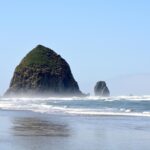
These coastal campgrounds place you right on the Pacific. Sites often are primitive or have limited services, but you’ll sleep to the sound of waves and watch tidepool life at low tide.
- Why you’ll love it: Oceanfront camping with easy beach access and dramatic sea stacks.
- RV tips: Check high-tide schedules and choose a site above the high-tide line. Many loops accommodate RVs up to 35–40 ft, but confirm reservation details.
- Best activities: Beachcombing, wildlife watching (seals, sea birds), short coastal hikes.
Lake Crescent / Fairholme Campground (western Olympic)
Lake Crescent offers beautiful, clear water and pine-shaded sites. Fairholme is right on the lake and is a great base for paddling and hiking.
- Why you’ll love it: Pristine lake swimming, calm water for kayaks, and proximity to the Spruce Railroad Trail.
- RV tips: Sites vary; large rigs are welcome in designated loops. Facilities are seasonal and fill early in summer weekends.
- Best activities: Kayaking, waterfall hikes (Marymere Falls), stargazing.
Hoh Rainforest area
The Hoh Rainforest is one of the most accessible old-growth temperate rainforests in the continental U.S. Campgrounds near the Hoh provide a moss-draped, emerald environment.
- Why you’ll love it: Lush, mossy groves, and easy boardwalk trails that make the forest feel like a fairytale.
- RV tips: Roads are well-maintained but remote. Amenities are limited; bring water and plan for damp conditions.
- Best activities: Short to moderate hikes, wildlife spotting, photography.
Puget Sound and the Olympic foothills
If you want a combination of maritime history, beaches, and cultural towns, this region is ideal.
Fort Worden State Park (Port Townsend)
Fort Worden mixes historic military buildings with beaches and open fields. It’s convenient to the artsy town of Port Townsend and has a community of outdoor and cultural events.
- Why you’ll love it: Cultural attractions, beach walks, and a park with both natural and historic appeal.
- RV tips: Sections of the park have full hookups; others don’t. The park can be busy during festivals so reserve ahead.
- Best activities: Beachcombing, attending local music or arts events, bicycling.
Deception Pass State Park
Deception Pass delivers iconic views from narrow straits and a tall bridge. It’s a popular park with excellent trails and several campgrounds.
- Why you’ll love it: Easy access to tidepools, fishing, and dramatic sandstone formations.
- RV tips: The park is very popular in summer—book months ahead. Certain loops accept big rigs, but you’ll want to verify site dimensions.
- Best activities: Bridge views, kayaking, hiking, clamming (seasonal/regulations).

San Juan Islands — island RV camping
Island camping requires some logistics but rewards you with marine life, quiet roads, and scenic harbors.
Moran State Park (Orcas Island)
Moran sits in the heart of Orcas Island with lakes, old growth, and mountain views. Its campground is one of the best for mixing hiking and relaxation.
- Why you’ll love it: Mountain views, Cascade Head and Olga peaks, plus freshwater lakes for paddling.
- RV tips: RV ferry reservations are required during peak season. Campground sites often have limits on length—check before you go.
- Best activities: Mount Constitution Summit, turtleback trails, kayaking.
San Juan County Park (Friday Harbor area)
This campground gives you a seaside, hilltop view and access to local ferry services and marine tours.
- Why you’ll love it: Proximity to ferry terminals and abundant marine life experiences.
- RV tips: Space is limited and fills early in summer; plan ferries and reservations carefully.
- Best activities: Whale watching tours, kayaking, bike rides to local towns.
Mount Rainier National Park RV camping options
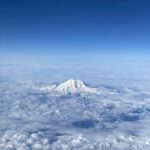
Mount Rainier offers alpine meadows, glaciers, and iconic views of the stratovolcano. RVers will need to book in advance and expect seasonal operations.
Cougar Rock Campground
Cougar Rock is one of the primary campgrounds for RVers, offering convenient access to Paradise and many trailheads.
- Why you’ll love it: Close to Paradise visitor services and trailheads leading to outstanding views.
- RV tips: No hookups in park campgrounds. Some loops allow larger RVs—check reservations for site specifics. Campsites fill very quickly for summer and wildflower season.
- Best activities: Skyline Trail, wildflower meadows, ranger programs.
Ohanapecosh Campground
Located on the southeast side, Ohanapecosh is a heavily forested campground with a more secluded feel.
- Why you’ll love it: Old-growth forest setting and easy access to river walks.
- RV tips: Sites may accommodate longer rigs in some loops; however, there are no hookups. Winter access is limited.
- Best activities: Grove of the Patriarchs, river walks, fishing (subject to rules).
North Cascades National Park and Ross Lake Recreation Area
This dramatic alpine region is less crowded than other parks, with steep glaciated peaks and turquoise lakes.
Ross Lake & Diablo Lake Campgrounds
Campgrounds in Ross Lake and Diablo Lake areas put you next to some of the most vivid low-elevation glacial lakes in the state.
- Why you’ll love it: Turquoise lake colors, boat-in campsites, backcountry access.
- RV tips: Many lakeside camps are boat-in or primitive; limited RV-specific sites exist in nearby developed campgrounds. Roads can be narrow and steep—check towing comfort.
- Best activities: Boat rentals, scenic viewpoints (Washington Pass), hiking to alpine meadows.
Colonial Creek Campground
This campground near North Cascades Highway is one of the best developed options for RVs, with a mix of size-capable sites and proximity to trails.
- Why you’ll love it: Great base for exploring the North Cascades with lake access and hiking close by.
- RV tips: Reserve early in summer. Sites with hookups are rare; plan water and power accordingly.
- Best activities: Hiking, fishing, scenic drives on the North Cascades Highway.
Central Cascades, Wenatchee, and Leavenworth areas
This region blends alpine recreation with charming Bavarian-style towns, river valleys, and orchards.
Lake Wenatchee State Park
Lake Wenatchee is family-friendly and offers both forested campsites and watersports.
- Why you’ll love it: Calm lake for paddling, easy hikes and family activities.
- RV tips: Full and partial hookup sites are available; book in advance for summer.
- Best activities: Boating, hiking, nearby Leavenworth for dining or events.
Steamboat Rock State Park
If you want lake-based recreation amid arid, dramatic cliffs, Steamboat Rock is a great pick.
- Why you’ll love it: Water sports on Banks Lake and dramatic rock outcrops.
- RV tips: Many loops accommodate big rigs; some sites have hookups. The park is popular for summer water activities.
- Best activities: Wakeboarding, paddleboarding, fishing.
Leavenworth area campgrounds
Leavenworth offers mountain charm and abundant outdoor recreation, with campgrounds that cater to RVers who want proximity to shops and festivals.
- Why you’ll love it: A unique town with Bavarian architecture, plus trails and river activities.
- RV tips: Festival weekends are busy; reserve and arrive early.
- Best activities: Wine tasting, hiking, Oktoberfest-style events.
Eastern Washington and Coulee Country
Eastern Washington offers stark contrast: wide skies, desert cliffs, and aquatic scenery built by ice-age floods.
Sun Lakes-Dry Falls State Park
This park gives you high desert camping with stunning cliff overlooks formed by prehistoric floods.
- Why you’ll love it: Unique geological history and excellent birding and stargazing.
- RV tips: Some loops suit large rigs; hookups are available at certain campgrounds. Heat can be intense in mid-summer—bring shade and plenty of water.
- Best activities: Climbing viewpoints, visiting the Dry Falls interpretive center, fishing.
Coulee City and Lake Roosevelt region
Areas around Lake Roosevelt offer water-based recreation with lakeside camping and access to historic sites.
- Why you’ll love it: Large reservoir boating and long shoreline camping.
- RV tips: Many campgrounds have large site options and hookups. Cell coverage can be spotty in more remote coves.
- Best activities: Boating, fishing, visiting Grand Coulee Dam viewpoints.

Southwest Washington coast and Columbia River
The southwest coast includes Cape Disappointment, long sandy beaches, and river estuaries.
Cape Disappointment State Park
This park sits at the mouth of the Columbia River, offering lighthouse views and oceanfront camping.
- Why you’ll love it: Dramatic coastal vistas and local history with two lighthouses.
- RV tips: Sections accept RVs up to 40 ft, but not all loops have hookups. Wind can be heavy—secure awnings and use wind blocks.
- Best activities: Lighthouse tours, hiking, birdwatching at the estuary.
State parks vs. National Park campgrounds: what’s different for RVers?
State parks often offer hookups, large loops, and long operating seasons, while national park campgrounds tend to be more rustic and closer to trailheads and iconic features. Your choice depends on whether you prioritize comfort or proximity to wilderness.
- State Parks: More hookups, near services, reservations through Washington State Parks or ReserveAmerica.
- National Parks: No hookups usually, closer to attractions, reservations through Recreation.gov.
Reservation systems and passes you need
Understanding reservation portals and passes will save you time and frustration.
Reservation platforms
- Washington State Parks: Use the Washington State Parks reservation site (ReserveAmerica used previously) for state campgrounds.
- Recreation.gov: Handles many federal sites (National Parks, some Forest Service campgrounds).
- Ferry reservations: For San Juan Islands or other islands, check Washington State Ferries or private vehicle ferry services.
- Local park services: Some county and municipal parks use their own systems.
Required passes and permits
- Discover Pass: If you plan to park at many state-managed sites (state parks, DNR lands), you may need a Discover Pass for parking.
- National Park entrance fee: Most national parks require an entrance fee; annual passes can save money if you’ll visit multiple parks.
- NW Forest Pass / Recreation pass: Some national forest trailheads require a fee or donation; check specific forests.
- Fishing licenses: Required if you plan to fish.
Use a short table for quick permit reminders.
| Pass/Permit | When needed | Where to get it |
|---|---|---|
| Discover Pass | Parking at many Washington state-managed recreation sites | Washington State Parks website |
| National Park Entrance Pass | Entry to national parks like Mount Rainier | Recreation.gov or park entrance |
| Annual Interagency Pass (America the Beautiful) | Frequent national park/federal land visits | USGS/USFS or Recreation.gov |
| Fishing License | If you fish in freshwater or saltwater (rules vary) | Washington Department of Fish & Wildlife |
| Ferry Reservation | Vehicle ferry to islands | Washington State Ferries or private operators |
Seasonal considerations and weather patterns
Washington’s weather varies dramatically from region to region. Planning by season helps you pick campgrounds that match your comfort level.
- Spring (March–May): Lower crowds, possible road closures in high-elevation areas due to snow; wildflowers at different elevations.
- Summer (June–August): Peak season statewide. Expect crowded parks, but also best access to high trails and alpine passes.
- Fall (September–November): Fewer people, cooler temps, excellent fall color in some regions; watch for early snow at higher elevations.
- Winter (December–February): Coastal and lowland parks remain accessible; many mountain roads and campgrounds close for the season. Winter driving gear may be needed.
RV-specific logistics and road considerations
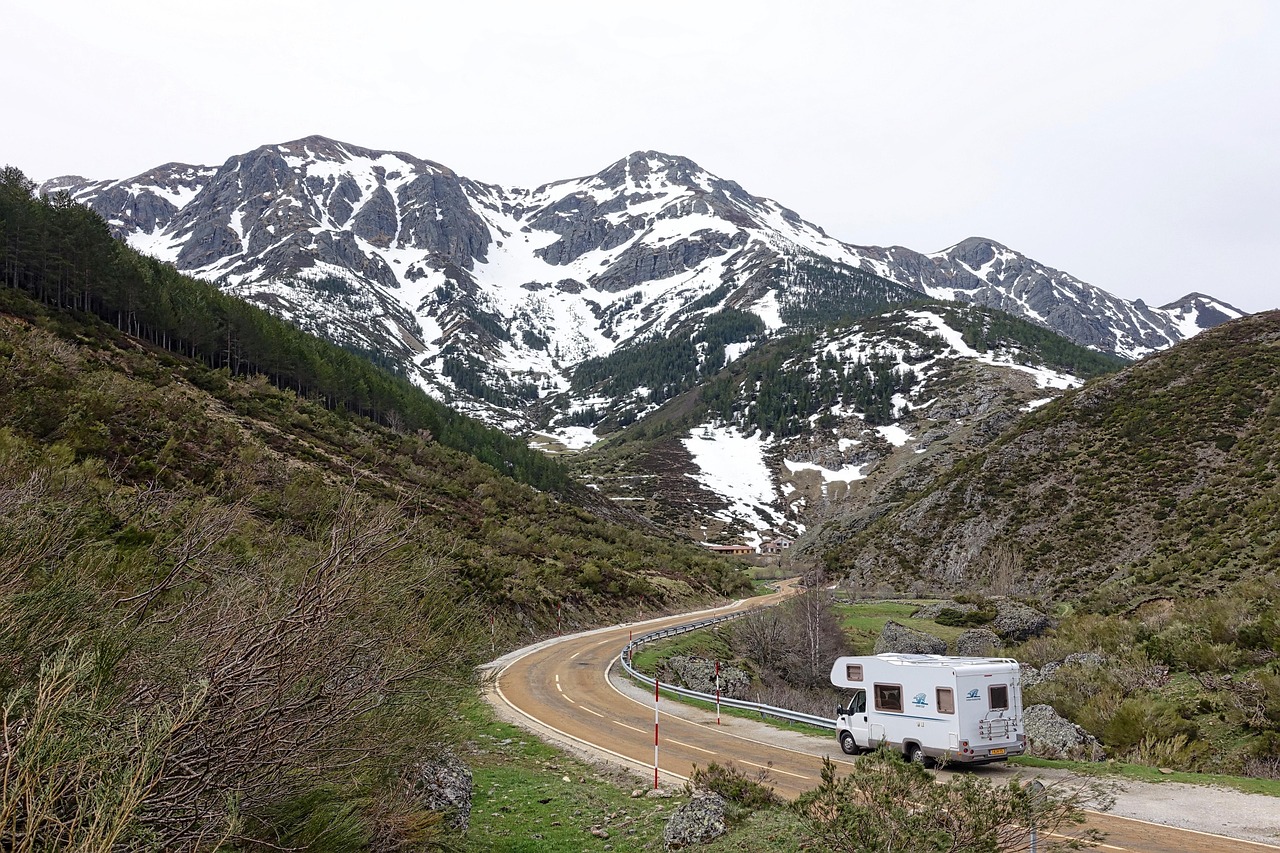
Washington’s roads can be beautiful but sometimes narrow, steep, or curvy—especially in mountain and island areas.
Towing and mountain driving
- If you tow, check grade and brake conditions before long descents. Use lower gears and engine braking.
- Be aware of chain or traction device requirements in winter at mountain passes.
Bridge and ferry restrictions
- Some islands and small bridges have weight or length limits. Confirm ferry dimensions and reserve space for vehicles.
- Deception Pass Bridge and other scenic bridges are not vehicle-restricted, but traffic can be heavy in summer.
Road surface and access
- Forest roads leading to primitive sites can be unpaved—avoid low-clearance rigs.
- Many state park campgrounds have paved or well-maintained gravel approaches suitable for large RVs.

Amenities: hookups, water, dump stations, and cell coverage
Plan for the services your rig needs and understand where you’ll find them.
- Hookups: State parks often offer full or partial hookups. National parks rarely do.
- Water: Fill your fresh water tank where available; in remote campgrounds, potable water may be limited.
- Dump stations: Found at many state parks, private RV parks, and some municipal campgrounds. Plan route with dump access in mind.
- Cell coverage: Western Washington near urban centers has good coverage; Olympic Peninsula and North Cascades can be spotty. Consider a mobile hotspot or offline maps.
Wildlife and safety on the road
Washington has abundant wildlife—bears, elk, cougars, deer, and marine mammals. Respect wildlife and follow campground rules.
- Food storage: Use bear lockers where available and secure food in your vehicle if necessary.
- Pets: Many campgrounds allow pets but enforce leash rules and cleanup. National parks have stricter rules on where pets are allowed.
- Fire safety: Check local fire bans, use provided fire rings, and fully extinguish fires.
- Weather hazards: Coastal storms bring strong winds; mountain weather can change rapidly—carry chains or traction devices if traveling high.
Packing checklist tailored for Washington RV camping
This checklist helps you prepare for varied climates and activities.
- Basic: Driver’s license, vehicle & trailer registration, insurance, spare keys
- Navigation: Maps (printed and digital), GPS, Recreation.gov / state park confirmations
- Safety: First-aid kit, bear spray (for certain regions), emergency flares, flashlight/headlamps
- Vehicle: Tire pressure gauge, jack & tools, spare tire, coolant, extra fuel containers (where permitted)
- Weather gear: Rain jacket, warm layers, wicking base layers, hat and gloves (mornings/evenings can be cold)
- Outdoor gear: Hiking boots, daypack, binoculars, reef-safe sunscreen, tide tables for coastal areas
- Camping comforts: Water filters or extra bottled water, power adapters, extension cords for shore power, leveling blocks, wheel chocks, awning tie-downs
- Kitchen & food: Reef-safe soap, bear-proof containers or cooler locks in some areas, propane spare
- Recreation-specific: Kayak or inflatable, paddleboard, fishing gear and license, camera, bicycles
Sample 7-day RV itinerary (coastal + rainforest)
This sample route gives you a mix of coastal scenery, rainforest, and mountains.
Day 1: Arrive Seattle/Tacoma, stock supplies, overnight near city or head to Port Townsend/Fort Worden. Day 2: Fort Worden State Park — beach walks, cultural sites, evening in Port Townsend. Day 3: Drive to Olympic Peninsula, camp at Lake Crescent — kayaks and Marymere Falls. Day 4: Hoh Rainforest area — short hikes and forest photography. Day 5: Kalaloch / Ruby Beach — oceanfront camping and tidepooling. Day 6: Head north to Deception Pass State Park — bridge views and beach walks. Day 7: Return to Seattle, stopping at Poulsbo or other Puget Sound towns for final sightseeing.
Sample 14-day RV itinerary (comprehensive loop)
This longer loop covers diverse regions including islands, mountains, and eastern Washington.
Days 1–2: Seattle provisioning and Fort Worden. Days 3–4: Ferry to Orcas Island: Moran State Park, Mount Constitution. Days 5–6: Travel to North Cascades region — Colonial Creek or Ross Lake for alpine scenery. Days 7–8: Mount Rainier — Cougar Rock, Ohanapecosh for meadows and trails. Days 9–10: Central Cascades — Lake Wenatchee, Leavenworth, wine tasting. Days 11–12: Steamboat Rock and Sun Lakes-Dry Falls — desert cliffs and water sports. Days 13–14: Columbia River mouth and Cape Disappointment — lighthouses and coastal views, return to city.
Tips for reserving the best RV sites
- Book early: High-demand campgrounds fill months ahead, especially for summer holidays and weekends.
- Check cancellation windows: Many systems release canceled sites 24–48 hours in advance—set alerts if possible.
- Know site dimensions: Don’t assume any “RV-friendly” site fits your rig—confirm length and hookup type.
- Off-peak timing: Consider shoulder seasons for lower crowds and easier booking (spring/fall).
- Use multiple sources: Some county or private campgrounds aren’t on the large reservation platforms—search local county park sites.
Boondocking and dispersed camping options
If you want solitude and free camping, Washington has National Forest and BLM areas that permit dispersed camping. Rules vary and you must leave no trace.
- Where to look: Okanogan-Wenatchee NF, Gifford Pinchot NF, and remote areas of the Olympic and Cascades ranges.
- Limits: Often 14-day stays, no hookups, and pack-in/pack-out rules.
- Fire restrictions: Heavily regulated in dry months—follow forest orders.
Accessibility and family-friendly camps
Many state parks and developed campgrounds offer accessible sites and facilities like ramped restrooms, accessible picnic tables, and family-oriented programming.
- Choose developed state parks or private RV parks for easiest access.
- Check campground pages for ADA-designated sites and accessible trail info.
Food and provisioning while on the road
- Urban hubs: Seattle, Bellingham, and Spokane have full grocery options and RV supply stores.
- Small towns: Stock up before entering remote stretches where amenities are limited.
- Farmers markets: Seasonal markets offer local produce and are often a highlight of slow travel in Washington.
Local rules and etiquette
- Quiet hours: Respect campground quiet hours (commonly 10 PM–7 AM).
- Generator use: Many campgrounds restrict generator hours—check local rules to avoid fines or complaints.
- Campfire etiquette: Use designated rings, follow bans, and respect neighbors with smoke considerations.
Frequently asked questions (FAQ)
How far in advance should you reserve campgrounds in Washington?
For popular state and national park campgrounds, reserve at least 2–6 months in advance for summer weekends. Off-season reservations can usually be made within weeks.
Can I park a large RV at state park campgrounds?
Many state parks have loops for large RVs but not all sites are long enough. Always check site-specific maximum lengths when booking.
Are campgrounds pet-friendly?
Most state and many national forest campgrounds allow pets on leash. National park trails and certain areas may restrict pets—check the park rules.
What about winter camping in Washington?
Low-elevation coastal and some eastern Washington parks remain open, but high mountain campgrounds and roads may close. Winter camping requires cold-weather preparedness and sometimes chains or traction devices.
Do I need reservations for ferries to the San Juan Islands?
Yes, vehicle ferries and private vehicle reservations can fill rapidly in summer. Book early and be flexible with schedules.
Final planning checklist before you leave
- Confirm campground reservations and check-in times.
- Verify your rig’s weight and length limits for ferries and narrow roads.
- Refill propane and check tire pressure and brakes.
- Print or download maps and campground directions—cell coverage may be limited.
- Pack appropriate clothing for coastal wind, forest dampness, and mountain cold.
Closing suggestions to help you choose
- If you want easy access to services and hookups, favor state parks near towns—like Deception Pass or Lake Wenatchee State Park.
- If you want wilderness beauty close to trails, national park campgrounds—Cougar Rock at Mount Rainier or campgrounds near North Cascades—offer proximity to iconic landscapes at the expense of hookups.
- For oceanfront camping, Kalaloch and coastal state parks give spectacular beach time.
- If islands and marine life are your priority, include ferry planning early and reserve spots at Moran State Park or San Juan County Park.
With this guide, you should be able to pick the top RV camping spots in Washington State that match your travel style, rig size, and seasonal preferences. Plan ahead, respect local rules, and you’ll have the freedom to enjoy mountains, coastlines, forests, and desert-like eastern landscapes—all within one diverse state. Have a great trip and safe travels on Washington’s roads.