
Looking for the best RV camping locations in Utah?

What Are The Best RV Camping Locations In Utah?
Utah offers some of the most dramatic landscapes in the United States, and if you travel by RV you get the flexibility to camp close to iconic red-rock canyons, alpine lakes, and wide-open deserts. This guide helps you choose the best RV campgrounds, boondocking areas, and services across the state so you can plan a comfortable, scenic, and safe trip.
How to Choose the Right RV Camping Location in Utah
Choosing the right site starts with thinking about what matters most to you. Do you want hookups and full amenities, or remote solitude and star-filled skies? Are you towing a long trailer or driving a Class C? How important is cell service, and do you need nearby propane or grocery resupply?
- Prioritize size and accessibility: check maximum rig length, site pull-throughs, and road conditions to the campground.
- Decide between on-grid and off-grid: many state and national park campgrounds have no hookups; private parks offer full hookup options.
- Consider season and weather: southern Utah is hot in summer; high-elevation parks get snow and limited services in late fall through spring.
- Book early for popular months: spring and fall fill fast near Zion, Bryce Canyon, and Moab.
- Check rules: pet policies, campfire restrictions, generator hours, and vehicle/tunnel restrictions in places like Zion.

Quick Comparison Table — Top RV Camping Types
| Location / Campground | Nearest Town | Hookups | Best Season | Rig Friendly Notes |
|---|---|---|---|---|
| Zion National Park — Watchman / South | Springdale | Partial / NO (some sites have 50A at Watchman?) | Spring–Fall | Narrow roads approaching Zion; check tunnel restrictions if towing |
| Bryce Canyon NP — North / Sunset | Bryce | No | Late Spring–Fall | High elevation; colder nights; some large sites |
| Arches NP — Devil’s Garden | Moab | No | Spring & Fall | No hookups; first-come or reservable spots; close to town RV parks |
| Canyonlands NP — Willow Flat / Island in the Sky | Moab | No | Spring & Fall | Remote views; no hookups |
| Capitol Reef NP — Fruita | Torrey | No | Spring–Fall | Campground surrounded by orchards; limited services |
| Kodachrome Basin SP | Cannonville | Hookups at adjacent RV sites vary | Spring–Fall | Small park; great for photos; check site size |
| Dead Horse Point SP | Moab | No | Spring & Fall | Dramatic overlooks; good stargazing |
| Goblin Valley SP | Hanksville | No | Spring & Fall | Excellent for families; limited sites |
| Bear Lake State Park | Garden City | Full hookups at some loops | Summer | Beach and water activities; good for larger RVs |
| Flaming Gorge NRA | Manila / Dutch John | Some full hookup marinas & campgrounds | Summer | Mountain and lake camping; cooler temps |
| Moab private RV parks (multiple) | Moab | Full hookups | Year-round | Best amenities for RVs and laundry/dump stations |
(Note: hook-ups and availability change; always confirm with the park or campground before arrival.)
Top National Park Campgrounds for RVs
Zion National Park — Watchman & South Campgrounds
Zion is one of the most visited parks in the country and offers uniquely dramatic canyon scenery. Watchman Campground (near the visitor center) and South Campground are the main options. Both are close to the Springdale entrance and shuttle routes into the canyon.
- Amenities: picnic tables, restrooms, potable water, and dump stations nearby. Hookups are rare inside the park.
- Reservations: Watchman is reservable well in advance through recreation.gov; South has a mix of reservable and first-come sites depending on season.
- Notes: If you tow, check Zion-Mount Carmel Tunnel dimensions and permit/escort requirements for oversized rigs. Spring and fall are best; summer gets hot, and winter can bring snow at higher elevations.
Bryce Canyon National Park — North & Sunset Campgrounds
Bryce Canyon’s amphitheater and hoodoos are spectacular at sunrise. Campgrounds are high-elevation and cooler than southern parks.
- Amenities: potable water, restrooms, amphitheater programs; no hookups in park.
- Reservations: Some sites are reservable through recreation.gov; many fill quickly for prime dates.
- Notes: Expect cold nights outside summer; you’ll want a reliable heating and water system if staying in shoulder seasons.
Arches National Park — Devil’s Garden Campground
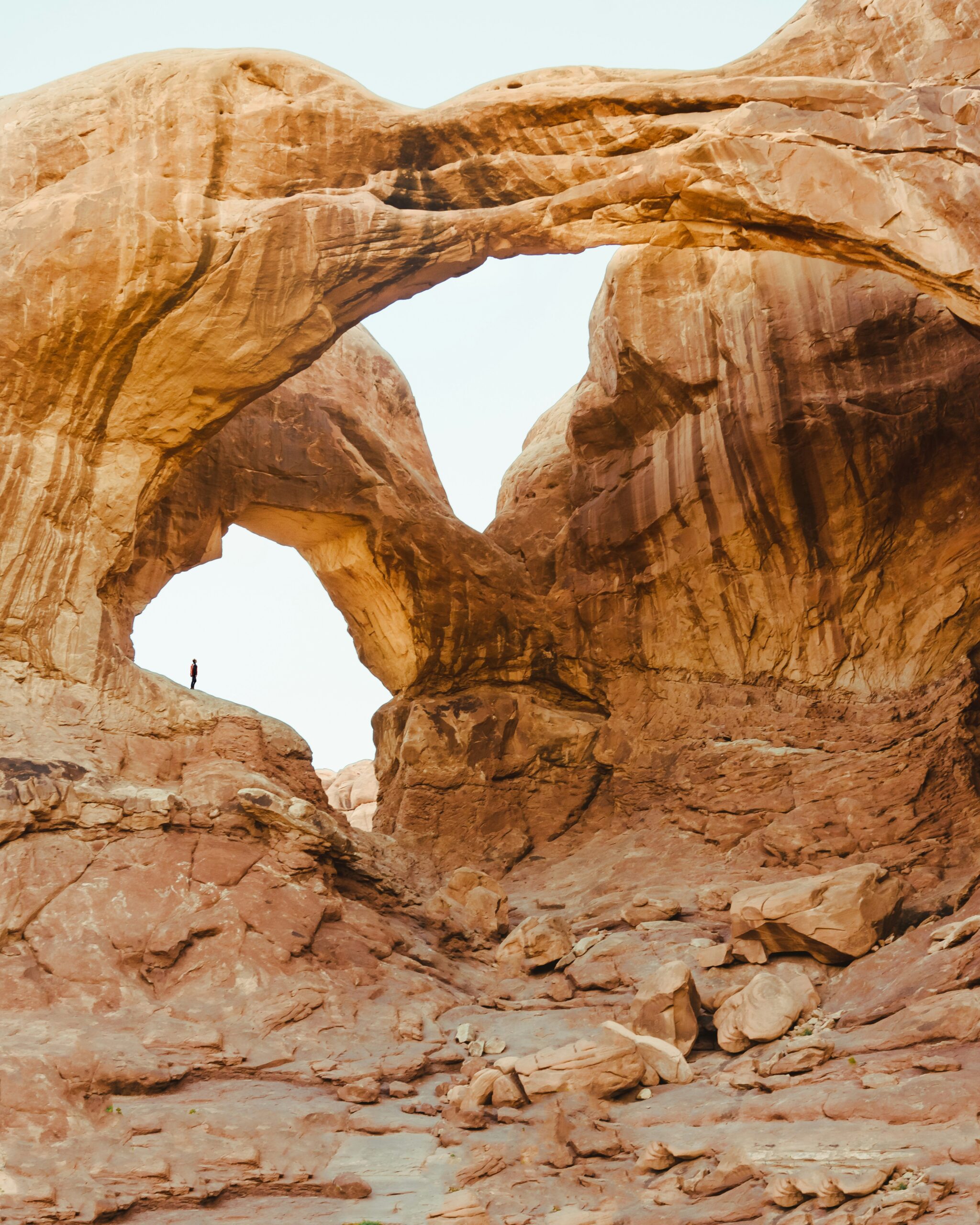
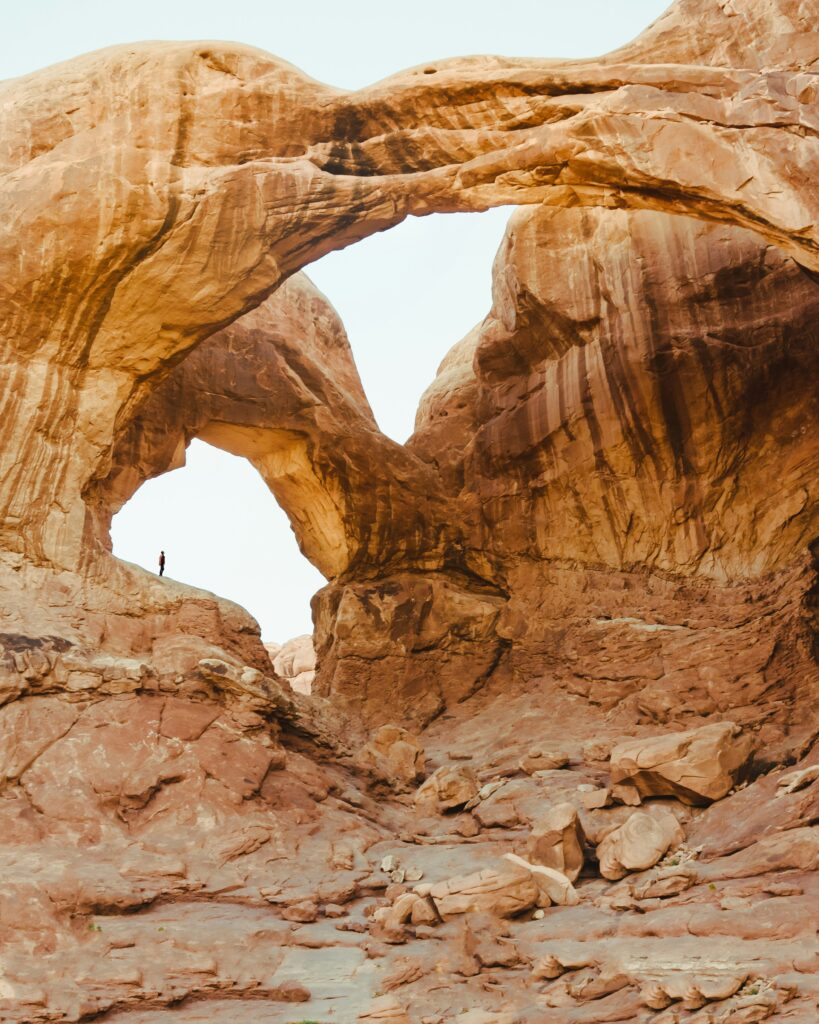
Arches has dramatic rock arches and short scenic drives. Devil’s Garden is the primary campground and is within the park boundary.
- Amenities: vault toilets, potable water; no hookups.
- Reservations: reservable via recreation.gov (often sells out for peak periods).
- Notes: Arches is close to Moab’s many private RV parks with full hookups and services if you want amenities.
Canyonlands National Park — Island in the Sky & Willow Flat
You’ll find enormous mesas and remote overlooks in Canyonlands. The Island in the Sky district has easy access for RVs; the Needles offers backcountry options that are better for smaller rigs.
- Amenities: limited facilities and potable water at main campgrounds; no hookups.
- Reservations/permits: check NPS for backcountry permits if you plan to backpack.
- Notes: Roads to some viewpoints are not suitable for long trailers; plan accordingly.
Capitol Reef National Park — Fruita Campground
This is a quieter national park with orchards and a scenic drive (Scenic Byway 12 starts nearby).
- Amenities: potable water, flush toilets, picnic tables; ranger programs in summer.
- Reservations: Fruita Campground is often reservable and can accommodate RVs of various sizes.
- Notes: Fruit picking in season, scenic trails, and fewer crowds make Fruita a pleasant stop.

State Parks and Lesser-Known Gems
Dead Horse Point State Park
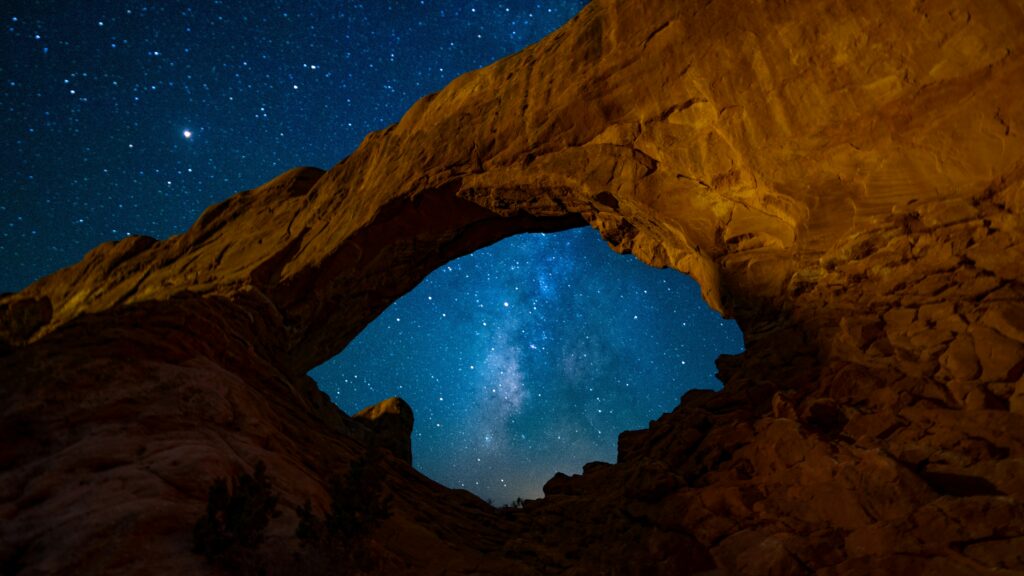
Dead Horse Point gives you arguably the most dramatic overlooks over the Colorado River and Canyonlands. Campground sites are limited but have excellent sunset and stargazing views.
- Amenities: potable water, restrooms, picnic areas; no hookups in the main loop.
- Season: March–November busiest, some winter access depending on snow.
- RV notes: Sites are roomy but check reservation restrictions for oversized rigs.
Kodachrome Basin State Park
A small park known for colorful spires and easy access to trails; it’s family-friendly and less crowded than national parks.
- Amenities: restrooms, showers at some campgrounds, limited hookups depending on loops.
- RV notes: Some loops accommodate larger rigs; book early for summer.
Goblin Valley State Park
This unique park features mushroom-like hoodoos and a surreal landscape.
- Amenities: vault toilets, picnic areas; no hookups.
- Season: Spring and fall are best; summer can be hot.
- RV notes: Good for tent and small RV camping; larger rigs may have limited maneuvering space.
Coral Pink Sand Dunes State Park
If you want to play on dunes with ATVs and sandboards, this is a fun, offbeat stop close to Kanab.
- Amenities: restrooms, potable water; some primitive RV sites.
- RV notes: Sand can be perilous if you get off-road unintentionally; keep tires at appropriate pressure and stay on designated roads.
Bear Lake State Park
Called the “Caribbean of the Rockies” for its turquoise water, Bear Lake offers boating and beaches.
- Amenities: full hookups at some campsites, boat ramps, restrooms.
- Season: Summer is busiest.
- RV notes: Looped sites can handle larger rigs; expect crowds on holiday weekends.
Flaming Gorge National Recreation Area
Flaming Gorge has mountain scenery, cool temps, and excellent boating and fishing.
- Amenities: some marinas and campgrounds provide full hookups, potable water, dump stations.
- Season: Summer and early fall are best.
- RV notes: Great for tow-behind boat trailers; remote areas may have limited services.
Moab and Surrounding RV Options
Moab is the most RV-friendly gateway to Arches and Canyonlands, with multiple private parks offering full hookups, high-capacity Wi-Fi, laundromats, and dump stations. If you want amenities and easy access to town services, base yourself in Moab and do day trips into the parks.
Table: Popular Moab RV Parks and Quick Facts
| Campground | Hookups | Amenities | Distance to Arches NP |
|---|---|---|---|
| Moab Valley RV Resort & Campground | Full hookups | Pool, laundry, Wi-Fi | ~5–10 min |
| Slickrock Campground (private) | Full hookups | Store, laundry, showers | ~10–12 min |
| Portal RV Resort | Full hookups | Patio sites, hot tub, Wi-Fi | ~5–10 min |
| BLM Dispersed (outside town) | None | No services | Varies |
Dispersed Camping and BLM Lands — What You Need to Know
If you want solitude or to boondock for lower cost, BLM lands and national forests offer dispersed camping. Utah has vast BLM areas near Moab, Grand Staircase-Escalante, and north of I-70. Dispersed camping requires more self-sufficiency.
- Rules: Generally free and first-come, first-served; some areas have 14-day limits. No trash left behind. Check local BLM office for seasonal restrictions.
- Roads & access: Many access roads are dirt and can be rough; high-clearance or 4×4 may be required. Avoid tight canyons and steep switchbacks with large rigs.
- Water & waste: Bring extra potable water; pack out greywater or dump at designated stations. Portable toilets/holding tanks are essential if you plan to stay multiple days.
- Safety: Cell service is often weak; carry maps and a GPS unit; let someone know your plan.
Recommended dispersed zones:
- Areas outside Moab along Route 191 (free BLM spots north and south of town).
- Grand Staircase-Escalante National Monument backcountry areas (wide open but remote).
- Northern Utah near the Uinta-Wasatch-Cache National Forest for cooler summer camping, but expect more elevation and possible winter closures.
Road & Access Considerations for RVs
Utah’s scenic drives are incredible but sometimes challenging for large RVs. Consider these tips:
- Check tunnel and road restrictions: Zion’s Mount Carmel Tunnel and some scenic roads have height/length limits or require escort fees for oversized vehicles—verify current rules with park authorities.
- Avoid steep, narrow backroads with trailers: some scenic drives are suitable only for smaller vehicles.
- Monitor weather: flash floods can close low-water crossings; heavy snow can close mountain passes in winter.
- Tire & brake care: higher elevations and mountain roads can put stress on brakes and transmission. Use engine braking when descending long grades.
Cell Coverage, Internet & Power
- Coverage: Expect excellent LTE coverage along major highways and in towns (e.g., Moab, Springdale, Kanab). Inside many parks and remote areas, coverage can be spotty or nonexistent.
- Internet: Private RV parks typically offer Wi-Fi; speeds vary. If you work remotely, research parks with reliable services and consider a cellular booster.
- Power: Many national and state park campgrounds are off-grid; plan battery and generator usage or bring enough solar capacity for boondocking.
Seasonal Advice — When to Visit
- Spring (March–May): Wildflowers, moderate temps, and ideal hiking conditions. Expect crowds in late spring near Moab and Zion.
- Summer (June–August): Very hot in southern Utah — heat up to 100°F+ in low-elevation desert areas. Great for Bear Lake and Flaming Gorge. Higher elevation parks (Bryce, Fish Lake) are cooler.
- Fall (September–October): Cooler temps, stunning light, fewer crowds — a top season for many RVers.
- Winter (November–February): Snow at elevation (Bryce, parts of Scenic Byway 12). Southern parks may be quieter and pleasant but some services may be limited.
Safety, Wildlife & Regulations
- Fire restrictions: Utah has seasonal fire restrictions. Check local county and park websites before starting a campfire.
- Wildlife: Store food properly. While black bear encounters are less common in southern parks, bear country exists in forested areas. Use food lockers if provided.
- Pets: Many trails and shuttle vehicles limit pets. Check park-specific rules.
- Permits: Backcountry and overnight hiking often require permits in national parks and wilderness areas. Check NPS or BLM websites for requirements.
Practical Amenities: Propane, Water, Dump Stations
- Propane: Towns near major parks (Moab, Springdale, Torrey) have propane refill stations. In more remote areas, plan refills ahead of time.
- Water: Bring extra water for boondocking. Many campgrounds in parks provide potable water but some do not.
- Dump stations: Private parks and some state parks offer dump stations. If you boondock, know where the nearest dump station is before you move on.
Packing Checklist for RVing in Utah
- Navigation: Maps, offline GPS, and park maps.
- Water & Food: Extra potable water and emergency food.
- Power: Solar panels, generator, spare batteries, and extension cords.
- Tools: Basic tool kit, tire repair kit, spare tires, jack rated for your rig.
- Safety: First-aid kit, flashlight/headlamp, fire extinguisher, roadside kit.
- Clothing: Layers, sun protection, and warm gear for nights at elevation.
- Misc: Camp chairs, portable grill, trash bags, biodegradable soap.
Sample Itineraries
7–9 Day Moab + Canyonlands Loop
- Day 1–2: Arrive in Moab, set up at a full-hookup RV park, local hike and town supplies.
- Day 3: Arches NP — Devils Garden trails and Balanced Rock.
- Day 4: Canyonlands Island in the Sky — viewpoints at Mesa Arch and Grand View.
- Day 5: Off-roading or mountain biking near Moab (Hell’s Revenge or Slickrock Trail).
- Day 6–7: Dead Horse Point SP for sunset/stargazing; optional day trip to Goblin Valley en route.
10–14 Day Southern Utah Scenic Loop
- Day 1–2: Zion NP (stay in Springdale or Watchman/South campground).
- Day 3–4: Bryce Canyon NP (sunrise at Sunrise Point, short hikes).
- Day 5: Kodachrome Basin or Grand Staircase areas.
- Day 6: Capitol Reef NP (orchards and Scenic Byway 12).
- Day 7–8: Goblin Valley, go to Moab for Arches and Canyonlands if time allows.
- Add-on: Bear Lake or Flaming Gorge for cooler water-based stops.
Frequently Asked Questions
Do national parks in Utah allow RV hookups?
Most national park campgrounds do not offer full hookups. State parks and private RV parks are the best places to find full hookups, laundry, and Wi-Fi.
How far in advance should I book campsites?
For peak seasons (spring for Moab and autumn for Zion/Bryce), book as early as recreation.gov allows — often 6 months ahead for some campgrounds. Private parks also fill up quickly during peak periods.
Are there restrictions for large trailers or motorhomes?
Yes. Some roads and tunnels restrict vehicle height, width, or length. Zion’s tunnel and several scenic backroads have limits. Always check current park road advisories and restrictions before bringing a long rig.
Can I boondock near the national parks?
You can boondock on BLM lands in many areas, but check local rules, restrictions, and time limits. Near Moab, dispersed camping is common; near Zion and Bryce, options are more limited or farther from park entrances.
Final Tips for an Enjoyable RV Trip in Utah
- Plan for water and shade. Southern Utah gets hot, and shade is scarce in many popular areas.
- Conserve water and fuel in remote stretches—gas stations can be sparse.
- Respect quiet hours and generator policies; Utah campers value starry skies and quiet nights.
- Leave no trace: pack out trash, bury no human waste, and follow local rules for firewood and campfires.
- Check ranger stations for current trail conditions, flash flood warnings, and road closures.
If you plan carefully, Utah rewards RV travelers with unforgettable scenery, excellent stargazing, and a wide variety of camping options — from full-hookup resorts to quiet, remote dispersed sites. Use this guide to match your rig and style to the locations that suit you best, and always verify current conditions and reservations before you leave.