
Are you planning an RV trip to Northern California and wondering which campgrounds will give you the best mix of scenery, hookups, and accessibility?


What to expect from RV camping in Northern California
Northern California stretches from the Oregon border down through the redwood coast, the Sierra Nevada foothills, the Cascade range, and the North Bay. That means you can camp beside old-growth redwoods, mountain lakes, volcanic landscapes, coastal bluffs, and gold-rush foothills — often all within a few hours of each other. You’ll find everything from full-hookup private RV parks to primitive dispersed sites on National Forest roads. The key is choosing locations that match your rig size, amenity needs, and seasonal comfort.
How to plan for Northern California RV camping
Planning makes the difference between a stressful trip and a relaxed adventure. Decide whether you want hookups, hookups plus Wi‑Fi and laundry, or boondocking. Make reservations early for popular summer spots and holiday weekends. Check road and weather conditions for mountain and coastal routes, and confirm maximum RV length and generator rules before you arrive.
Reservation systems and permits
- State parks: ReserveCalifornia handles most California State Park reservations.
- National Parks and USFS developed campgrounds: Recreation.gov.
- Private parks and KOAs: individual park websites or national reservation portals (some use ReserveAmerica).
- Dispersed camping on National Forests and BLM lands: usually first-come, first-served, but some areas may require free permits or seasonal closures.
Top RV camping regions in Northern California
Below is a high-level look at the major regions you’ll probably consider. Each region includes recommended campgrounds and what you should know.
Redwood Coast and Humboldt County
This is the home of the tallest trees on Earth. You’ll find state parks, national and state forests, and a handful of campgrounds that accommodate larger rigs. Expect cool, foggy mornings and mild afternoons.
- Good for: Old-growth redwoods, quiet coastal drives, tide pools, scenic loops.
- Considerations: Narrow coastal roads in spots, generator restrictions, seasonal closures during heavy storms.
Mendocino Coast and Fort Bragg area
Mendocino County offers bluff-top viewpoints, sea stacks, and quaint coastal towns. Campgrounds range from primitive to RV parks near town.
- Good for: Coastal panoramas, glass beaches, wineries inland.
- Considerations: Limited hookups at state parks; private parks in town if you need full services.
Lake Tahoe and the Northern Sierra
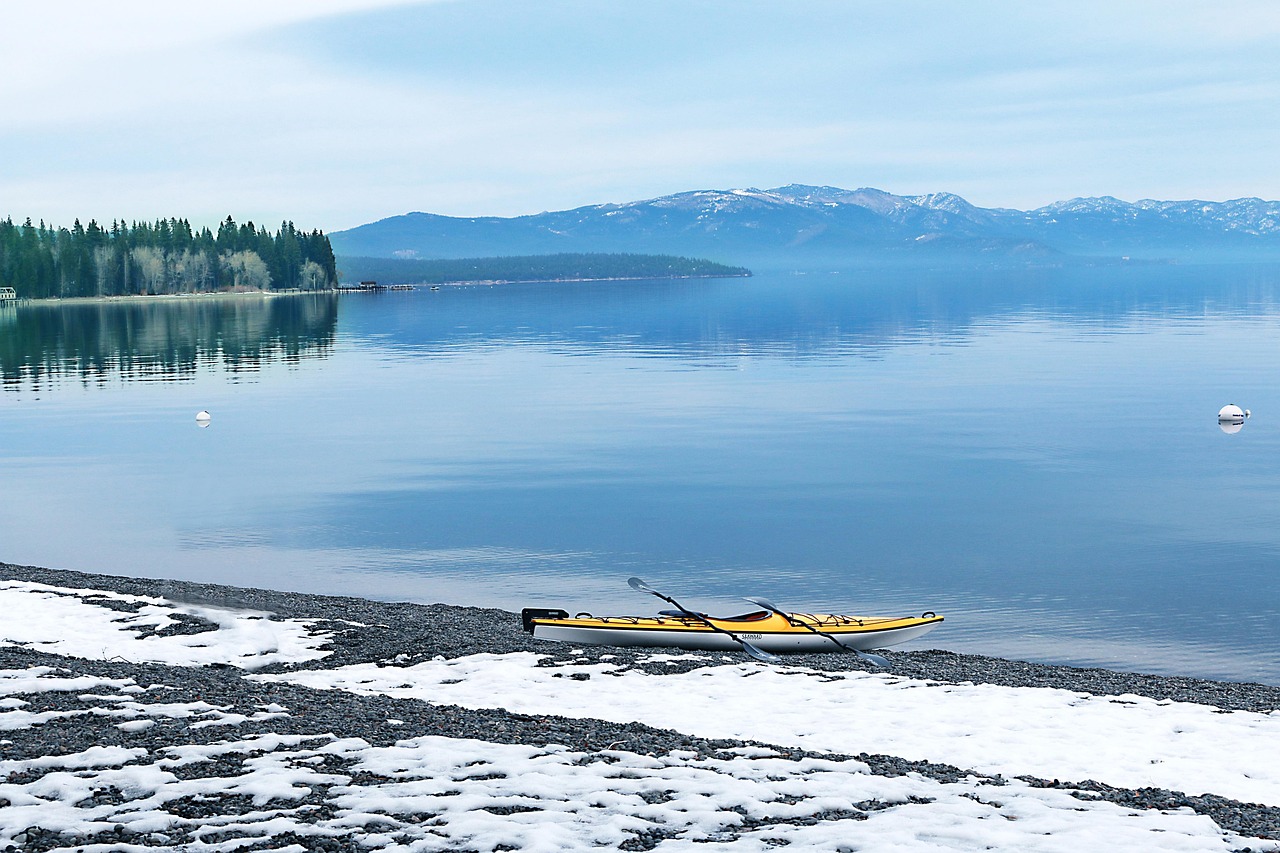
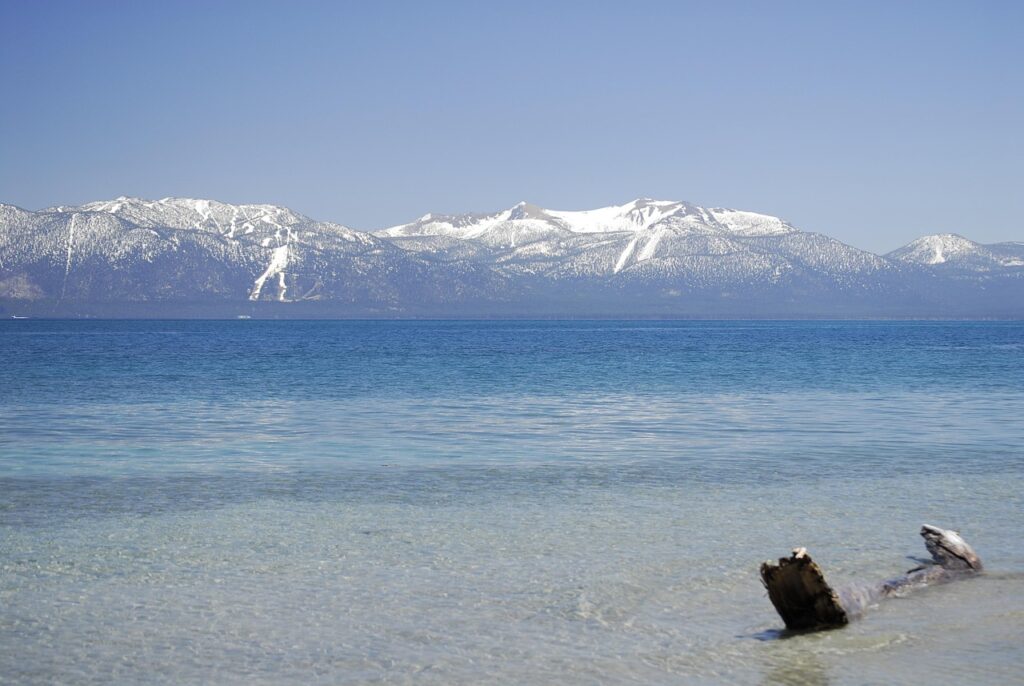
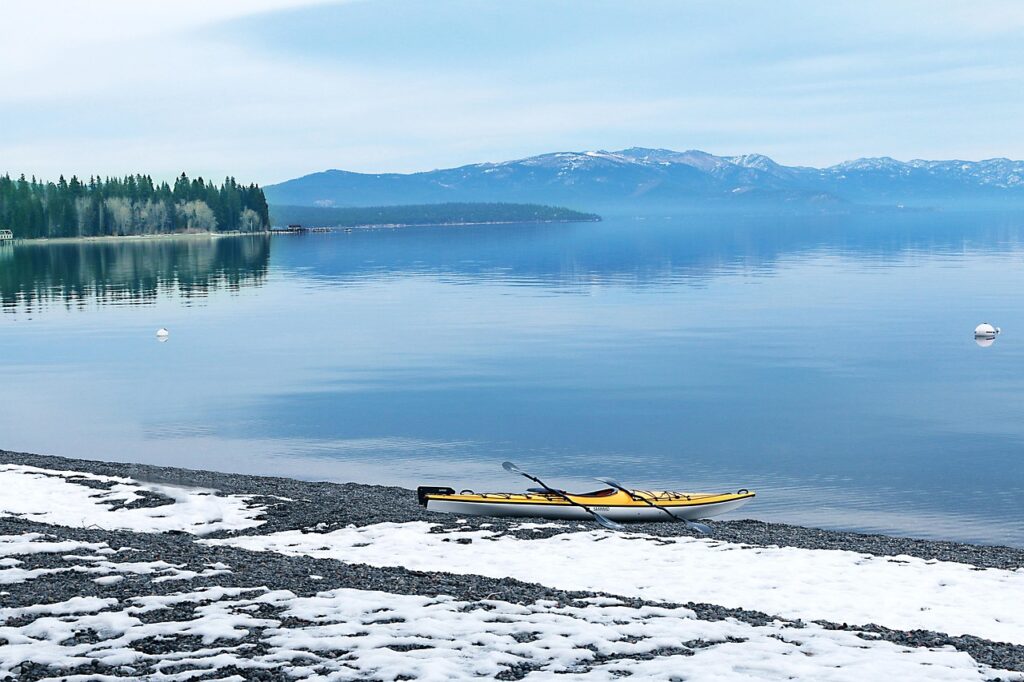
High alpine lakes, pine forests, and a mix of developed campgrounds and private marinas. Expect cool nights year-round and snow in winter.
- Good for: Boating, hiking, fishing, summer water recreation.
- Considerations: Snow chains and seasonal road closures in winter; reservations required for summer.
Shasta, Trinity, and Mt. Shasta areas
Lava fields, mountain rivers, and big reservoirs. The area offers both developed campgrounds and significant dispersed camping on forest roads.
- Good for: Fishing, kayaking, mountain scenery.
- Considerations: Summer can be hot inland; access to some lake campgrounds is by winding, narrow roads.
Sacramento Valley, Gold Country, and East Bay
Easier driving and lots of state park options; close to wineries, historical towns, and river recreation.
- Good for: Accessible campgrounds, family-friendly activities, easier service access.
- Considerations: Hotter summers in the valley; fire restrictions are common in late summer.
Recommended RV campgrounds — summary table
This table highlights some popular, visitor-friendly options across Northern California. Always verify current rules, maximum RV length, and reservation details before booking.
| Campground | Region / Nearest Town | Best for | Amenities typically available | Reservation / Info |
|---|---|---|---|---|
| Jedediah Smith / Prairie Creek (Redwood NP & SPs) | Crescent City / Orick | Old-growth redwoods, hiking | Tent & vehicle sites, some RV access (limited hookups), restrooms | NPS / ReserveCalifornia |
| Humboldt Redwoods State Park (Avenue of the Giants) | Weott / Myers Flat | Big trees, scenic drives | RV sites, picnic areas, restrooms, some hookups | ReserveCalifornia |
| Patrick’s Point State Park | Trinidad | Coastal trails, tidepools | Campground with RV sites (limited hookups), restrooms | ReserveCalifornia |
| MacKerricher State Park | Fort Bragg | Sea stacks, beachside walks | Campground with RV access, restrooms | ReserveCalifornia |
| Russian Gulch / Van Damme State Parks | Mendocino | Coastal bluffs and fern valleys | Campground sites, some RV parking (few hookups) | ReserveCalifornia |
| Mount Shasta KOA / Panther Meadows area | Mount Shasta | Base for climbs and hiking | Full-hookup RV sites, laundry, showers | KOA or private |
| Shasta Lake / Antlers / Lakehead area | Shasta Lake | Boating, marinas, fishing | Marina RV parks (full hookups common), boat ramps | Private reservations |
| Castle Crags State Park | Castella (I-5 corridor) | Granite spires, easy access from I-5 | Camp sites (some RV friendly), restrooms | ReserveCalifornia |
| Whiskeytown Lake / Shasta-Trinity NF | Redding | Water recreation, trails | Developed campgrounds, some RV sites, boat ramps | Recreation.gov / USFS |
| Lassen Volcanic NP (Butte Lake, Manzanita Lake) | Loomis? Actually near Mineral + Lassen area | Volcanic scenery, high-altitude lakes | Campgrounds with some RV access (no hookups), restrooms | Recreation.gov |
| Lake Tahoe (D.L. Bliss, Meeks Bay, Camp Richardson area) | South Lake Tahoe / Tahoe City | Alpine lake views, boating | Mix of tent sites and vehicle spots; some private RV parks with hookups | ReserveCalifornia / private |
| Clear Lake / Anderson Marsh SP | Clear Lake | Birding, boating | RV parking in parks, some RV parks around lake | ReserveCalifornia / private |
| Point Reyes (nearby private RV parks) | Marin County | Coastal headlands, wildlife | NPS backcountry only in the park; nearby private parks offer hookups | NPS / private |
Note: Many state parks have size limits for RVs and limited hookups. Private RV parks and KOAs are the most likely to offer full hookups, Wi‑Fi, and laundry.

Detailed campground highlights and why you might choose them
Below are detailed profiles of specific campgrounds or clusters that are popular with RVers. Use these summaries to pick sites that match your priorities.
Humboldt Redwoods State Park (Avenue of the Giants)
Humboldt Redwoods is one of the best places to camp within a canyon of towering redwoods. The park has several campgrounds set along the Eel River with easy access to scenic drives and hiking.
- Why you might choose it: Wide variety of sites, classic redwood scenery, and fewer crowds than some coastal redwood parks.
- What to expect: Some sites accommodate large rigs, but confirm max length. Limited hookups and primitive amenities in many areas. Cooler, moist climate—mornings can be foggy.
- Reservations: ReserveCalifornia for state campgrounds.
Prairie Creek and Jedediah Smith (Redwood National and State Parks)
These parks straddle the coast with prime rainforest and easy trails. Sites are tucked into lush forests with access to coastal drives like the Newton B. Drury Scenic Parkway.
- Why you might choose it: Iconic redwood hikes, elk sightings, and close proximity to coastal viewpoints.
- What to expect: Developed campgrounds with walk-in or vehicle-access sites. Limited RV hookups. Some campgrounds may restrict vehicle length due to tight roads.
- Reservations: National Park Service / ReserveCalifornia — check NPS pages for up-to-date guidelines.
MacKerricher State Park (Fort Bragg)
A coastal state park with boardwalks over dunes and access to tide pools and seal-watching spots. Fort Bragg is nearby for groceries and services.
- Why you might choose it: Easy beach access, whale sightings in season, and nearby town amenities.
- What to expect: RV-capable sites exist, usually without full hookups. Coastal fog and windy afternoons are common.
- Reservations: ReserveCalifornia.
Mendocino (Russian Gulch, Van Damme, Russian River & nearby private parks)
Mendocino offers a mix of cliff-top views and fern-filled canyons. If you need full hookups, look to private RV parks in Cleone or near Mendocino village.
- Why you might choose it: Picturesque coastal villages, nearby wineries, and state parks with dramatic scenery.
- What to expect: State parks typically have limited hookup options. Private parks provide full services and are closer to town conveniences.
- Reservations: ReserveCalifornia or private park websites.
Lake Tahoe area (D.L. Bliss, Meeks Bay, Camp Richardson, private RV parks)
Lake Tahoe has high-elevation campgrounds offering lake access and alpine views. Developed sites are seasonal and can fill quickly in summer.
- Why you might choose it: Alpine scenery, boating, world-class hiking, and summer festivals.
- What to expect: Many campgrounds close in winter due to snow. Check vehicle length restrictions and be prepared for narrow, steep camp roads.
- Reservations: ReserveCalifornia for state sites; private parks book directly.
Shasta Lake, Mount Shasta & Trinity Lakes
This region has a mix of private marina RV parks on Shasta Lake, primitive lakeside campsites, and mountain campgrounds near Mount Shasta. You’ll find some sizable private RV parks with full hookups and marinas.
- Why you might choose it: Boating and water recreation, volcanic and mountain scenery, and good access to the Cascade peaks.
- What to expect: Inland heat in late summer, windy lake conditions, and some remote road access for smaller rigs. Private RV parks often fill on holiday weekends.
- Reservations: Private park websites; USFS for developed National Forest campgrounds.
Lassen Volcanic National Park
Lassen offers volcanic landscapes, boiling fumaroles, and high-altitude lakes. Summers are prime time for camping.
- Why you might choose it: Unique volcanic features without the crowds of bigger national parks.
- What to expect: High elevation—cool nights even in summer. Developed campgrounds are typically primitive (vault or flush toilets) with no hookups. Some road restrictions based on elevation and snow.
- Reservations: Recreation.gov for many developed sites.
Point Reyes area (Marin County private parks)
Point Reyes National Seashore has backpacking and walk-in campsites but no developed RV campgrounds inside the park. You’ll find private RV parks and county campgrounds nearby in Marin County that can serve as bases for day trips.
- Why you might choose it: Dramatic ocean headlands and wildlife viewing (elephant seals, tule elk).
- What to expect: Tactical planning for parking and day-use; some small private parks near the park entrance cater to RVs.
- Reservations: Private or county park sites.
Dispersed and boondocking options
If you’re comfortable without hookups and want solitude, dispersed camping on National Forest lands and BLM-managed areas is a great option.
- Where to look: Shasta-Trinity National Forest, Mendocino National Forest, Klamath National Forest, and parts of the Modoc region have extensive dispersed camping opportunities.
- What to expect: No hookups, primitive sites, sometimes limited or no cell service, and no trash collection. Bring water, pack out trash, and know fire restrictions.
- Tips: Watch the road grades and turn radiuses—some forest roads are rough and narrow. Check for vehicle/rig restrictions and seasonal closures.
Private RV parks and KOAs — when to choose them
When you need full hookups, reliable Wi‑Fi, laundry, and easier access to groceries and services, private parks and KOAs are the best option.
- Advantages: Full hookups (30/50 amp), sewer/dump stations, Wi‑Fi, showers, laundry, pet amenities.
- Disadvantages: Can be more crowded and less scenic than state parks; cost might be higher.
- Where to find them: Near major lakes (Shasta, Tahoe), coastal towns (Fort Bragg, Eureka), and Interstate corridors (I-5 corridor).
Seasonal considerations and road safety
Northern California’s climate and road conditions can vary drastically:
- Summer and holiday weekends: High demand; reserve 1–3 months ahead for popular parks (Tahoe, redwood parks, Lake Shasta). Fire season typically increases restrictions in late summer and fall.
- Spring and fall: Great shoulder seasons with fewer crowds; some higher-elevation campgrounds may be closed in spring due to lingering snow.
- Winter: Snow at Tahoe and Lassen; snow chains may be required. Coastal areas are milder but can be stormy and wet.
- Mountain passes and narrow forest roads: Long RVs can have trouble on steep grades and sharp turns. Know your rig’s turning radius and approach angles. Avoid unpaved forest roads unless your rig is rated for them.
Chains, vehicle prep, and towing tips
- Carry tire chains in winter if you’ll cross mountain passes; practice installing them in a parking lot before you need them.
- Know your RV weight and pin weight — don’t overload. Check your tow vehicle and hitch before the trip.
- If towing, allow for extra braking distance and slower speeds downhill. Use low gear and engine braking on long descents.
Fire safety and wood rules
California has strict fire regulations, especially in wildfire-prone seasons.
- Check local fire restrictions before lighting campfires. Many areas prohibit wood fires during high fire danger.
- Use only dead-and-down wood found on site where permitted, or better yet, use purchased firewood to prevent spread of pests.
- Have water and a shovel nearby and fully extinguish fires before leaving.
Amenities checklist for RV campgrounds
When comparing campgrounds, use this list to match a site to your needs:
- Full hookups (water, electric 30/50 amp, sewer)
- Partial hookups (water/electric or water only)
- Dump station availability
- Maximum RV length per site
- Leveling options (pads, concrete)
- Restrooms and showers
- Laundry and Wi‑Fi
- Pet policies
- Generator hours or quiet hours
- Nearby groceries, fuel, propane
- Cell service strength and emergency access
Sample 7- to 10-day RV itinerary for Northern California
Here’s a practical loop you can use as a foundation. Modify based on your interests and rig constraints.
7-day modest-paced loop (coastal + redwoods): Day 1: Arrive San Francisco or Eureka area; set up at a coastal RV park near Fort Bragg or Mendocino for a restful night. Day 2: Camp near Mendocino/Russian Gulch; walk coastal bluffs and dine in town. Day 3: Head north to Humboldt Redwoods (Avenue of the Giants); camp near Weott or Myers Flat. Day 4: Explore Prairie Creek / Jedediah Smith (Redwood NP); hike among huge trees; camp at nearby sites. Day 5: Drive up the coast to Trinidad or Crescent City; visit Patrick’s Point or Battery Point. Day 6: Move inland toward Shasta Lake region or Mount Shasta depending on time; overnight at a marina RV park or mountain campground. Day 7: Return toward your departure city, stopping at local points of interest.
10-day extended loop with Tahoe/Sierra: Days 1–4: Mendocino coast and redwoods as above. Days 5–6: Head inland to Shasta region for boating and mountain trails. Days 7–8: Drive over to Lassen Volcanic National Park; hike and relax in cooler air. Days 9–10: Finish at Lake Tahoe (if season permits) for alpine lakeside activities, then depart.
Distances and driving times will vary; plan for slower travel when towing and check road conditions.
Packing checklist specific to Northern California RVing
- Chains and gloves (if traveling through mountains in winter/early spring)
- Water jugs and spare water filter (many parks don’t have potable water)
- Camp chairs, lanterns, cooking gear
- Fire extinguisher and basic tool kit
- Leveling blocks, wheel chocks
- RV-specific toilet chemicals and sewer hose kit with adapters
- Bear-proof containers if staying in bear country (some parks require them)
- Layered clothing—coastal fog, inland heat, alpine chill
- Maps (paper) and GPS; cell service can be spotty
- First-aid kit, insect repellent, sunscreen
Tips for boondocking and minimizing impact
- Camp well away from roads and water sources; use established sites where possible.
- Pack out everything you bring in; leave no trace.
- Salt, chemicals, and greywater: some areas prohibit dumping greywater on the ground. Use designated disposal points or hold tanks until you can properly dispose.
- Respect seasonal wildlife protections and breeding areas.
Waste and sanitation handling
- Use dump stations regularly to prevent overfilling tanks. Many state parks and marinas provide dump stations.
- For long boondocking stays, manage your greywater and blackwater carefully. Carry spare sewer hose fittings and an elbow for easier connections.
- If you need to empty at a private RV park, ask about a short-stay dump fee; many allow non-guests for a small charge.
Pets and family considerations
- Many parks are pet-friendly but have leash rules and wildlife considerations. Never leave pets unattended.
- Beaches and some trails restrict dogs seasonally. Check park rules in advance.
- For families: check for kid-friendly hikes, ranger programs, and easy beach access.
Safety and wildlife awareness
- Bear country: store food in bear boxes where provided and follow park guidance.
- Mountain lions are uncommon but possible; avoid hiking alone at dawn or dusk and keep children close.
- Rattlesnakes in some inland and foothill areas—stay on trails and watch where you put your hands and feet.
How to find the best site for your rig
- Filter reservations by “max vehicle length” when booking online.
- Read recent reviews for site-specific tips (pull-through vs. back-in, shade, proximity to bathrooms).
- If you need level concrete pads and full hookups, favor private RV parks or marinas.
- For a quiet forest experience, choose state or national parks with fewer services.
Cost expectations
- State park developed sites: typically lower cost than private parks, but fewer amenities. Expect to pay per night plus reservation fees.
- National Park campgrounds: similar pricing to state parks, sometimes with different reservation windows.
- Private RV parks/KOAs: higher nightly rate for full hookups, Wi‑Fi, and laundry.
- Dispersed camping: often free, but you’ll pay in convenience (no hookups, fewer services).
Common booking windows and cancellation tips
- Reserve California often allows bookings up to six months in advance for popular parks, but windows vary.
- Recreation.gov may open reservations several months in advance with limited first-come windows for certain dates.
- Cancellation policies differ: many state and federal campgrounds impose cancellation fees. Read terms carefully and consider refundable private park options if you need flexibility.
Frequently asked questions
Can a big rig reach all Northern California campgrounds?
Not always. Many state parks and forest roads have tight turns and length limits. Always check maximum vehicle length for the specific campground and read user comments regarding accessibility.
When is the best time to visit for mild weather?
Late spring through early fall (May–September) is generally ideal for most Northern California destinations. For coastal fog and cooler temperatures, summer can be foggier but still pleasant. For alpine lakes, July–September is best for warm days and accessible roads.
Are there dump stations along major routes?
Yes—many towns, marinas, and private RV parks offer dump stations. If you plan to boondock, locate the nearest dump station ahead of time.
Do I need a reservation for weekdays?
Many popular parks recommend reservations year-round. Weekdays in shoulder seasons can be less busy, but holidays and weekends fill up early.
Final tips to make your Northern California RV trip smoother
- Book early for peak summer travel, especially in Tahoe and the redwood parks.
- Carry a mix of cash and cards for small purchases in rural areas.
- Respect quiet hours (usually 10 pm–7 am) and generator rules; polite camp behavior goes a long way with neighbors.
- Check local weather and wildfire alerts routinely, especially in late summer and fall.
- Keep an eye on bridge and ferry limitations if you plan to cross waterways (some marinas or island parks have special rules).
Quick reference checklist before you pull out
- Confirm campground reservation and arrival/check-in instructions.
- Verify your rig size fits the reserved site.
- Check tire pressure, battery levels, and fluid levels.
- Top off fuel, potable water, and propane.
- Pack chains if your route crosses mountain passes in winter or early spring.
- Bring printed directions and campground contact info.
You’ve now got a thorough overview of RV camping options across Northern California — coastal redwoods, alpine lakes, volcanic parks, and private marinas. Choose the mix of scenery and amenities that fits your rig and travel style, reserve early for popular spots, and prepare for varied weather and road conditions. Enjoy planning your trip, and safe travels on the road.

Related Posts
 What Are The Must-visit RV Camping Destinations In Northern California?
 What are the popular RV camping sites in Naples Florida? 11 Expert Picks
 What Are The Best RV Camping Locations In Washington?
 What Are The Recommended RV Camping Spots In Wisconsin?
 What Are The Top RV Camping Spots In Washington State?