
Are you looking for a compact, powerful 12V air conditioning solution that can be hidden under your vehicle and keep your RV, trailer, or work cab comfortable?


Product Overview: Universal 12V Air Conditioner Hidden Underbody RV Air Conditioner/DC silent air conditioner, suitable for trailers, campers, trucks, vans, RVs, construction vehicles, vans, etc (Model: 680, 12V)
You’ll find this model positioned as a versatile 12V DC underbody air conditioning unit designed to save interior space by mounting the outdoor unit under the vehicle while the evaporator sits inside the cabin. The design targets a wide range of vehicles — from RVs and campers to trucks and construction machines — and promises quiet operation and reasonable cooling capacity for mobile applications.
Key Technical Specifications
Below is a clear breakdown of the main technical specs so you can quickly understand whether the unit meets your basic needs. These figures matter for sizing, electrical planning, and expectations about cooling performance.
| Specification | Detail |
|---|---|
| Model | Universal 12V Air Conditioner (Model: 680, 12V) |
| Voltage | 12V DC |
| Cooling Capacity | 2200–2400 W (approx. 9000 BTU) |
| Starting Current Requirement | ~70 A |
| Evaporator Airflow | 760 m³/h |
| Settable Temperature Range | 16–32 °C |
| Evaporator Power Consumption | 100 W (evaporator) |
| Evaporant/Evaporator Thickness | 15 cm (suitable for ceiling install) |
| Installation Type | Underbody outdoor unit / ceiling evaporator |
| Protection / Features | Low pressure protection, automatic compressor power adjustment |
| Suitable Vehicles | Trailers, campers, trucks, vans, buses, construction vehicles, agricultural vehicles, RVs |
Universal 12V Air Conditioner Hidden Underbody RV Air Conditioner/DC silent air conditioner, suitable for trailers, campers, trucks, vans, RVs, construction vehicles, vans, etc (Model: 680, 12V)
Design & Build Quality
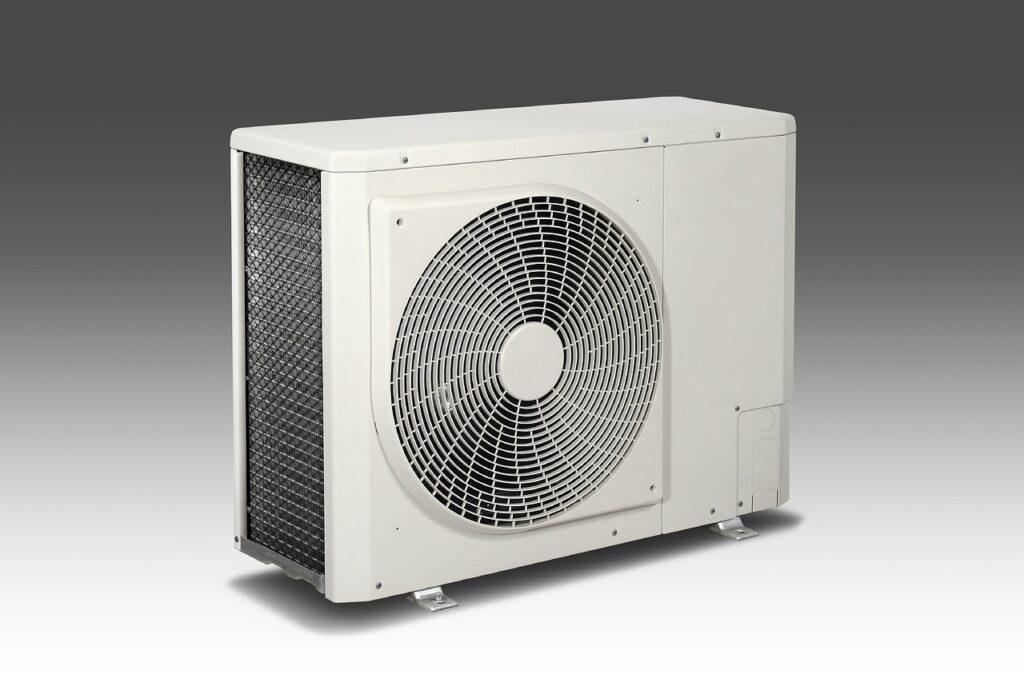
You’ll appreciate that the outdoor unit uses a metal shell, which aims to be sturdy and corrosion-resistant for under-vehicle mounting. The manufacturer also emphasizes multiple installation methods so you can adapt the unit to the layout of your particular rig.
The underbody installation approach frees up roof and interior space, and a thicker 15 cm evaporator is intended for efficient airflow and a low-profile ceiling fit. While the case looks robust on paper, you should check local mounting points and underbody clearance before purchase.
Cooling Performance
You can expect roughly 2200–2400 W of cooling (about 9,000 BTU), which is a common figure for compact mobile ACs and should be adequate for small-to-medium cabins, camper vans, or modest-sized RV interiors. The evaporator airflow of 760 m³/h suggests a healthy circulation capacity when installed properly.
Performance will vary according to ambient temperature, insulation, vehicle volume, and sun exposure. In very hot climates or poorly insulated cabins you may find the unit working near capacity; pairing it with good ventilation and shading will significantly improve results.
Power & Electrical Requirements
You need to plan your electrical system carefully because the unit requires a substantial starting current — about 70 A — at 12V. Continuous running current will be lower than the start surge but still significant; ensure your wiring, fuses, and battery system are rated accordingly.
The unit is designed to automatically adjust compressor output based on the evaporator outlet temperature to save energy, and the evaporator itself consumes about 100 W. Before buying, you should measure the available current from your battery/alternator system with a multimeter and consider upgrades (larger battery bank, high-output alternator, or a soft-start device) if your system can’t supply the necessary surge.
Wiring and Battery Considerations
You’ll want heavy-gauge wiring (appropriately sized for 70 A surge; typically 2 AWG–4 AWG depending on length) and a correctly rated fuse or circuit breaker near the battery. If you run this from a single battery, expect deep cycling; a dedicated starting/motive battery plus a deep-cycle battery or a LiFePO4 pack is a safer route.
If your alternator is standard and you plan to run the AC while driving, verify the alternator can both charge the battery and supply the run demand. For campsite use, pairing the unit with shore power or a generator (if you have a suitable inverter or charger) can extend run time without depleting your battery bank.
Installation Options & Hidden Underbody Design
You’ll like the hidden underbody setup if you want a roof-clear solution and a tidier interior. The outdoor unit’s metal shell and multiple mounting methods give flexibility, and mounting under the vehicle helps reduce profile and drag compared to rooftop units.
Make sure you follow the manufacturer’s installation precautions: vacuum the system for 20 minutes before opening valves, verify refrigerant charge (the unit comes precharged), and allow refrigerant to flow from the outdoor to the indoor side only after proper vacuuming and connection. Also account for ground clearance, potential debris impacts, and corrosion protection for the outdoor unit.
Mounting Considerations
You’ll need good access for mounting brackets and mounting points with sufficient load capacity. Consider anti-vibration isolators to reduce transmitted noise and movement, and use corrosion-resistant fasteners. Also plan a secure drainage route for condensate from the evaporator.
Control Panel & Features
You’ll control the unit through its separate control panel, which adjusts air volume, temperature (16–32 °C), and includes low pressure protection. The separate panel gives you convenient in-cabin control without climbing on the roof or under the vehicle.
Automatic compressor power adjustment can increase efficiency by changing compressor power with evaporator outlet temperature, which helps reduce unnecessary compressor cycles and saves energy in moderate conditions.

Noise & Silent Operation
You’ll see this model marketed as a DC silent air conditioner, and the underbody placement can help lower perceived in-cabin noise from the outdoor unit. The evaporator is mounted in the ceiling, which typically reduces fan noise inside the cabin versus more compact all-in-one units.
Real-world noise levels depend on mounting quality, vibration dampening, and distance between the outdoor unit and the cabin. If you’re particularly noise-sensitive, plan to install vibration mounts, insulated ducting, and verify actual decibel specs from the supplier or dealer.
Energy Efficiency & Power Saving
You’ll benefit from the unit’s automatic compressor power adjustment that optimizes output relative to evaporator outlet temperature, which is designed to reduce power consumption. The relatively low evaporator power (100 W) also helps when the compressor isn’t at full load.
To maximize efficiency, you should combine the AC with good insulation, reflective window coverings, roof vents or fans, and smart use of shade. Running the AC with doors open or poor insulation will dramatically increase run time and battery consumption.
Compatibility & Suitable Vehicles
You can install this unit on a wide variety of vehicles: trucks, campers, trailers, construction vehicles, vans, buses, agricultural vehicles, and standard RVs. The key is verifying underbody clearance and whether the evaporator fits on your ceiling without interfering with lights, vents, or structural components.
Because the unit is modular, it’s a good option if you want to retrofit an existing vehicle and avoid roof penetrations. For custom builds, check duct routing and interior layout to ensure even air distribution.
Pros
You’ll notice several practical strengths with this model:
- Space-saving underbody design that preserves your roof and interior space. You don’t lose roof height or need bulky rooftop housings.
- Decent cooling capacity (approx. 9000 BTU) for small- to medium-sized cabins. It’s suitable for many common RV and van layouts.
- Separate control panel gives you flexible in-cabin control of temperature and fan speed without accessing the outdoor unit.
- Built for DC use, so it integrates into mobile electrical systems and avoids inverter losses.
- Automatic compressor adjustment for improved efficiency and reduced wear over time.
Each of these pros matters if you prioritize low profile, modular installation, and DC-native operation.
Cons
You’ll also face some limitations to keep in mind:
- High starting current (~70 A) demands robust wiring, battery capacity, and possibly electrical upgrades. This is the single biggest planning barrier for many buyers.
- Underbody installation exposes the outdoor unit to road spray, salt, and potential impact, so you’ll need good protection and regular inspections.
- Cooling capacity is suitable for small-to-medium spaces but may struggle in large, poorly insulated RVs or extreme heat without supplemental cooling.
- The evaporator thickness and ceiling layout needs compatibility checks — some older or custom interiors may need modification.
- Professional installation is likely recommended unless you’re experienced with HVAC and vehicle electrical systems.
Installation Checklist
You’ll want to prepare carefully before installation to avoid run-around trips and ensure system longevity. Here’s a concise checklist to follow so you don’t miss key items.
- Verify available 12V output and measure starting current capability with a multimeter.
- Confirm underbody clearance and mounting points; plan for rust-proofing and protection.
- Prepare heavy gauge wiring, proper fuse/circuit breaker, and battery isolator/management if needed.
- Check interior ceiling space and mounting points for the 15 cm evaporator and routing for drains and ducting.
- Have vacuum pump and gauges ready for the mandatory vacuuming step before opening valves.
- Arrange for vibration isolation mounts and corrosion protection for outdoor unit.
- Plan a condensate drain path and ensure it won’t introduce water into sensitive compartments.

Wiring & Electrical Setup
You’ll need appropriately sized wiring and protective devices to handle the starting surge and continuous current. Use a fuse or circuit breaker close to the battery and route wiring to minimize length and voltage drop.
If you don’t feel comfortable working with vehicle electrical systems, hire a professional. You should also consider a battery management system (BMS) if you’re using lithium batteries, or a DC-DC charger/isolator for safe alternator-to-house bank charging.
Mounting the Outdoor Unit (Underbody)
You’ll want to securely mount the outdoor unit on corrosion-resistant brackets. Use anti-vibration pads to reduce noise and stress on fasteners, and position the unit to avoid low-slung obstacles and direct impacts.
Pay attention to airflow clearance — the condenser needs unobstructed airflow. Also consider a small shield if you regularly drive on gravel roads or through heavy spray.
Evaporator Installation (Ceiling)
You’ll find the 15 cm-thick evaporator is sized for ceiling installation in many vans and RVs. Plan cutouts and reinforcement where needed; ensure the evaporator doesn’t obstruct wiring, vents, or lights.
Route the refrigerant lines and drainage carefully, maintaining slope for proper condensate run-off. Seal the ceiling penetration to avoid drafts or water intrusion.
Commissioning & First Run
You’ll need to vacuum the system for 20 minutes before opening valves, as the manual notes, to avoid moisture contamination and ensure proper refrigerant flow. Since the unit comes precharged, after vacuuming you can open the service valves as instructed to release refrigerant.
On first run, monitor voltages, check for abnormal vibration or noise, verify cool air delivery, and watch for any fault codes or leaks. If any fault codes appear or the compressor doesn’t start, shut down and troubleshoot wiring, fuses, and battery state-of-charge.
Safety Precautions & Warnings
You’ll want to follow the manufacturer’s precautions precisely:
- Do not open the valve immediately after hose connection; vacuum for 20 minutes before opening the valve. This prevents moisture and air contamination.
- The air conditioner is precharged with refrigerant and can be installed ready-to-use, but you must follow instructions for valve opening to avoid refrigerant loss.
- Verify your battery can supply the ~70 A starting current before purchasing and installation; insufficient current will produce fault codes and poor startup behavior.
In addition, use proper personal protective equipment during installation, avoid working on the refrigerant circuit without certification where local laws require it, and disconnect battery negative before doing major wiring to avoid shorts.
Maintenance & Troubleshooting
You’ll get the best life out of the unit with a routine maintenance schedule and by addressing issues early.
- Regularly inspect the underbody outdoor unit for damage, corrosion, and debris buildup. Clean fins carefully and avoid bending them.
- Check refrigerant lines and connections for leaks during regular service intervals. If cooling performance drops, have a certified technician verify refrigerant charge and system pressures.
- Clean or replace cabin filters periodically to maintain airflow and efficiency. Restricted airflow increases run time and stresses the compressor.
- If the unit shows fault codes, refer to the manual for diagnostics — common causes include low battery voltage, insufficient starting current, blocked airflow, or low refrigerant.
- For electrical issues, inspect fuses, contactors, and wiring for heat damage. Loose connections can increase resistance and drop voltage under load, causing failures.
Troubleshooting: Common Symptoms and Quick Checks
You’ll often be able to diagnose basic issues yourself:
- AC won’t start: Check battery voltage, main fuse, and connections. Ensure starter current capability and that service valves are open post-vacuuming.
- Weak cooling: Check cabin filters, evaporator air path, and refrigerant charge. Confirm doors/windows aren’t repeatedly opened and insulation is adequate.
- Excessive noise or vibration: Inspect mounts and fasteners for looseness and add vibration isolators as needed.
- Short runtimes and frequent cycling: Verify thermostat placement, check for big temperature differentials or short-cycling due to incorrect low-pressure protection settings.
Real-world Use Cases & Performance Expectations
You’ll get different results depending on how you use the unit:
- For day trips in a well-insulated camper van, the unit should keep the interior comfortable without excessive battery draw if you plan your runs and use shading.
- For overnight stays off-grid, expect significant battery usage unless you run a generator or use a large LiFePO4 bank and efficient charging strategy.
- For construction vehicles or trucks that run long shifts, the underbody design keeps roof height low while offering a comfortable cabin during stops or idling.
In very hot, humid climates you may need to run the compressor more often, so plan for adequate electrical resources and supplemental ventilation.
Comparison: Underbody 12V vs Rooftop AC vs Inverter-Powered Systems
You’ll weigh trade-offs when comparing system types:
- Underbody 12V units keep the roof clear and often offer quieter interior operation versus rooftop units, but they expose the condenser to road hazards.
- Rooftop ACs are conventional for many RVs and often easier to service, but add height and wind drag.
- Inverter ACs (AC mains/inverter driven) can be more efficient and handle variable speeds well, but they require a reliable AC source or large inverter capacity — introducing conversion losses if running from DC batteries.
Choose based on your vehicle layout, noise preference, and electrical architecture.
Who Should Buy This
You should consider this unit if:
- You want to preserve roof space and avoid rooftop penetration for installations.
- You’re installing on a van, small RV, or truck where interior ceiling space allows a 15 cm evaporator and you can provide underbody mounting.
- You have or can provide robust 12V electrical architecture capable of handling the ~70 A start surge and steady operation.
- You prefer a DC-native solution that integrates directly into mobile power systems without converting to AC.
If you lack the electrical capacity or operate in extremely large or non-insulated spaces, consider larger rooftop units or different cooling strategies.
Final Verdict
You’ll find the Universal 12V Air Conditioner (Model: 680, 12V) compelling if you value a low-profile, underbody design with decent cooling for small-to-medium mobile spaces and you’re prepared to handle the electrical demands. It’s a practical choice for many vans, campers, trucks, and work vehicles, but you must plan wiring, mounting, and protection carefully to get reliable results.
If you’re upgrading an electrical system or building a new mobile platform and want a hidden, DC-native solution, this model is worth strong consideration; if your vehicle lacks the necessary electrical headroom or you need very high cooling capacity, evaluate alternatives first.
Frequently Asked Questions (FAQ)
Will this unit work on a standard 12V battery?
Yes, it’s designed for 12V systems, but you must ensure your battery and wiring can supply the approximately 70 A starting current. Without that capacity you’ll see fault codes or startup failures, so consider a dedicated house battery bank or high-capacity alternator.
Is the refrigerant precharged, and can I install it myself?
The unit comes precharged with refrigerant, and the manufacturer notes it can be installed and used directly after proper vacuuming and valve opening. However, vacuuming and handling refrigerant lines require specific tools and knowledge; if you’re not experienced, engage a certified installer.
How noisy is the unit?
The unit is marketed as a “DC silent air conditioner,” and underbody placement usually reduces perceived interior noise. Noise levels depend on mounting, vibration isolation, and distance between outdoor and indoor units. If noise is a priority, plan for additional anti-vibration mounts and insulation.
Can I run it while driving?
Yes, you can run it while driving provided your alternator and electrical system can handle the current demand. Many users run DC units while driving, but confirm alternator output and system voltage to avoid depleting batteries.
What maintenance does it require?
You’ll need regular inspections of the outdoor unit for debris and corrosion, periodic cleaning of evaporator and cabin filters, leak checks on refrigerant lines, and checking electrical connections. Schedule professional checks for refrigerant pressure and compressor health as part of long-term maintenance.
Is professional installation required?
Professional installation isn’t strictly required if you have HVAC and automotive electrical experience, but it’s recommended due to refrigerant handling, vacuuming needs, and the significant electrical demands — a professional will ensure safety and correct operation.
If you have more specifics about your vehicle model, typical climate, or electrical setup, tell me and I’ll help you evaluate whether this specific model is the best fit or suggest modifications and accessories to make installation and operation smoother.

Disclosure: As an Amazon Associate, I earn from qualifying purchases.