

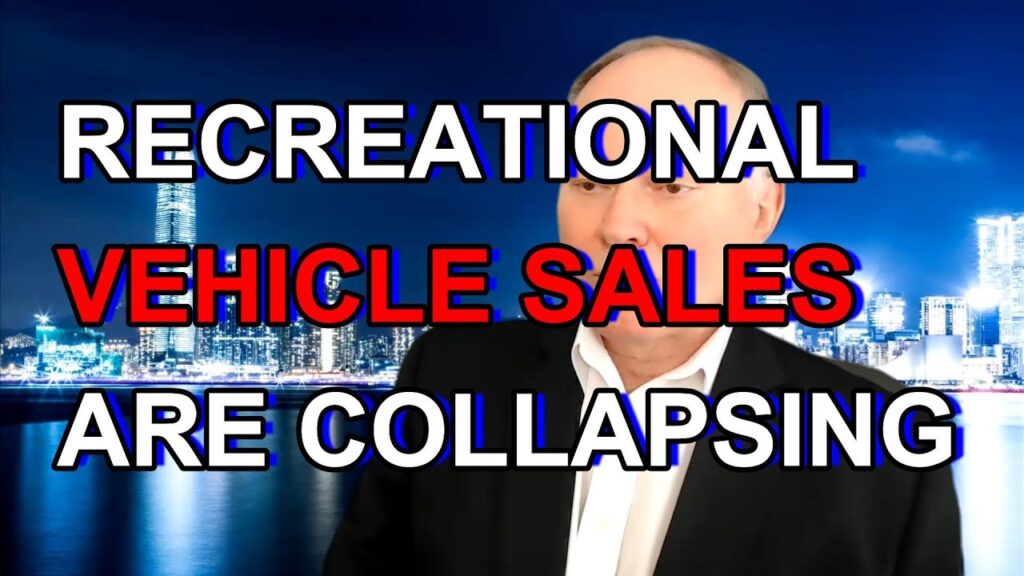
“Recreational Vehicles Are Now Radioactive | John Arc Show” is the title of today’s episode. In this video by John Arc, you’ll discover the current state of the recreational vehicle industry, which is facing a significant decline. If you’ve ever had the dream of traveling around the country in an RV, visiting RV parks, and going on cross-country trips, you might want to think twice. The reality is that RV prices have skyrocketed, the vehicles are being poorly manufactured, and RV parks have become painfully expensive. Furthermore, the used RV market is saturated with people desperately trying to sell their RVs, and they don’t disclose the additional costs of maintenance, insurance, and travel. If you’re considering buying an RV, it’s important to conduct thorough research and understand the challenges you may encounter. Stay tuned for more riveting episodes by subscribing to the John Arc Show channel and following us on social media.
The Decline of the Recreational Vehicle Industry
High Prices and Low Quality Standards
The recreational vehicle (RV) industry is currently facing a decline due to a combination of factors. One of the major issues is the high prices of RVs coupled with low quality standards. Many potential buyers are shocked at the exorbitant prices of RVs and are disappointed with the declining quality of these vehicles. As a result, the demand for RVs is decreasing, contributing to the industry’s decline.
Expensive RV Parks
In addition to the high prices of RVs, the cost of staying at RV parks has also skyrocketed. RV parks used to be an affordable accommodation option for RV owners, but they have become increasingly expensive over the years. This rise in prices has made it less appealing for people to invest in RVs, as the costs of staying at RV parks can quickly add up and become financially burdensome.
Disruptive Neighbors
Furthermore, another challenge faced by RV owners is the issue of disruptive neighbors. Many RV parks are filled with families and individuals who may not adhere to common courtesy and respect for their neighbors. This often leads to a constant state of noise and commotion, making the RV experience less enjoyable for owners and reducing the appeal of RV living.
Challenges in Selling an RV
For those who decide to sell their RVs, they may encounter significant difficulties in finding buyers. The current state of the RV market has resulted in limited customer demand. RV dealerships have seen a decline in foot traffic, with only a handful of potential buyers visiting the lots. Even with price reductions of 10 or 20 thousand dollars, the lack of demand makes it challenging to sell an RV.
Limited Customer Demand
The decline in customer demand for RVs has been further exacerbated by the high interest rates on RV loans. This has effectively frozen the market, as many potential buyers can no longer afford the monthly payments on these loans. Consequently, the number of people able to purchase an RV has significantly decreased.
Ineffectiveness of Price Reductions
Additionally, reducing prices on RVs has proven to be ineffective in stimulating sales. Even substantial price cuts of tens of thousands of dollars go unnoticed by potential buyers due to the already inflated prices. The current pricing structure has made it nearly impossible for price reductions to have a significant impact on attracting customers.
High Interest Rates on RV Loans
The high interest rates on RV loans have been a deterrent for many prospective buyers. The increasing rates have made it difficult for individuals to secure affordable financing, making it challenging for them to enter the RV market. The combination of high prices and high-interest rates has widened the gap between the desire to own an RV and the ability to purchase one.
Issues with Used RVs
The used RV market is also facing numerous challenges. While some potential buyers may turn to the used market to find more affordable options, they often encounter significant issues. Used RVs tend to fall apart faster than new ones, and the cost of repairs and maintenance can quickly become exorbitant. Additionally, insurance costs for used RVs can be surprisingly high, adding to the overall expenses of owning one.
Expensive Maintenance and Repairs
Apart from the used market, even owners of new RVs face expensive maintenance and repair costs. Once the warranty expires, owners often find themselves dealing with costly repairs and regular maintenance that can strain their budget. The ongoing expenses of keeping an RV in good condition can be a significant deterrent for potential buyers.
High Costs of Insurance and Travel
Finally, the high costs of insuring and traveling with an RV have made ownership less attractive. Insuring an RV can be considerably more expensive compared to insuring other vehicles. Moreover, the expenses associated with traveling, including fuel costs and campground fees, have increased, making frequent RV trips less financially viable for many individuals.
Difficulties in Owning and Operating an RV
Insurance Challenges
One of the challenges of owning an RV is the difficulty in finding affordable insurance coverage. Insurance rates for RVs can be considerably higher than those for other vehicles, largely due to the size and complexity of these vehicles. Potential buyers should consult with their insurance agents to understand the insurance costs associated with the specific make and model of the RV they are considering.
Maneuverability Issues
RVs pose a unique set of maneuverability issues for owners. Driving and parking these large vehicles can be challenging, especially for first-time RV owners. Maneuvering an RV into gas stations or tight parking spaces can quickly become a stressful and daunting task. The size and length of RVs necessitate careful planning and consideration when navigating public roads and spaces.
Delayed Purchase Recommendations
Given the current state of the RV industry, some experts recommend delaying the purchase of an RV. Waiting for approximately 18 months may allow prices to significantly drop, potentially enabling buyers to purchase an RV at a fraction of the initial cost. However, it is important to note that even with a significant price reduction, potential buyers should carefully consider the long-term costs and potential headaches associated with RV ownership.
Potential Headaches and Future Implications
While obtaining an RV at a heavily discounted price may seem appealing, buyers should be aware that they might also be acquiring a host of potential headaches. The declining RV industry suggests uncertain future implications for owners, including difficulties with repairs, maintenance, and finding qualified service providers. Buyers should carefully evaluate their financial situation and willingness to cope with these challenges before making a decision.
Layoffs in RV Manufacturing
The decline in the RV industry has also led to significant layoffs in RV manufacturing. Many RV manufacturers, particularly in regions like Elkhart, Indiana, have had to downsize their workforce due to decreasing sales. The impact of these layoffs not only affects employees but also reflects the overall state of the RV market.
Social Media Presence and Lack of Sales
A quick browse through social media platforms reveals the lack of sales and customer activity in RV dealership lots. Videos showcase empty lots and individuals capturing the apparent decline of the RV market. This lack of sales is a clear indication that the industry is facing significant challenges, with customers waiting for prices to reach their lowest point before considering a purchase.
Waiting for Price Collapse
Many potential buyers are adopting a wait-and-see approach, hoping for a complete collapse in RV prices. There is a belief that waiting for an extended period, such as 18 months, could result in further significant price reductions, potentially enabling buyers to acquire an RV for a fraction of the initial cost. However, this strategy is not without risks, as the long-term viability of the RV industry remains uncertain.
Uncertain Future of the RV Market
In conclusion, the recreational vehicle industry is currently in a state of crisis. The combination of high prices, low quality standards, expensive RV parks, disruptive neighbors, and challenges in selling RVs has contributed to the decline in the industry. Difficulties in owning and operating an RV, such as insurance challenges, maneuverability issues, and potential headaches, further discourage potential buyers. Layoffs in RV manufacturing and the lack of sales documented on social media platforms underscore the decline in the industry. With an uncertain future and a wait-and-see approach by potential buyers, the outlook for the RV market remains uncertain.

Conclusion
If you found this article informative, make sure to subscribe to our channel for more insightful content. We also encourage you to like, comment, and follow us on social media to stay updated with the latest developments in the RV industry. Despite the challenges, we remain hopeful that the RV industry will adapt and overcome these obstacles. However, for now, it is evident that the industry is facing significant difficulties, and potential buyers should carefully consider the current state of the market before making any purchasing decisions.
Thank you for taking the time to read this comprehensive article on the decline of the recreational vehicle industry.

Related Posts
 How to Choose the Perfect Leisure Vehicle: 5 Key Considerations
 State Trailer Supply is your one source for all your recreational vehicle parts
 Are There Any RV Sales At Camping World For Recreational Vehicles?
 Are There Any RV Sales At Camping World For Recreational Vehicles?
 Are There Any RV Sales At Camping World For Recreational Vehicles?