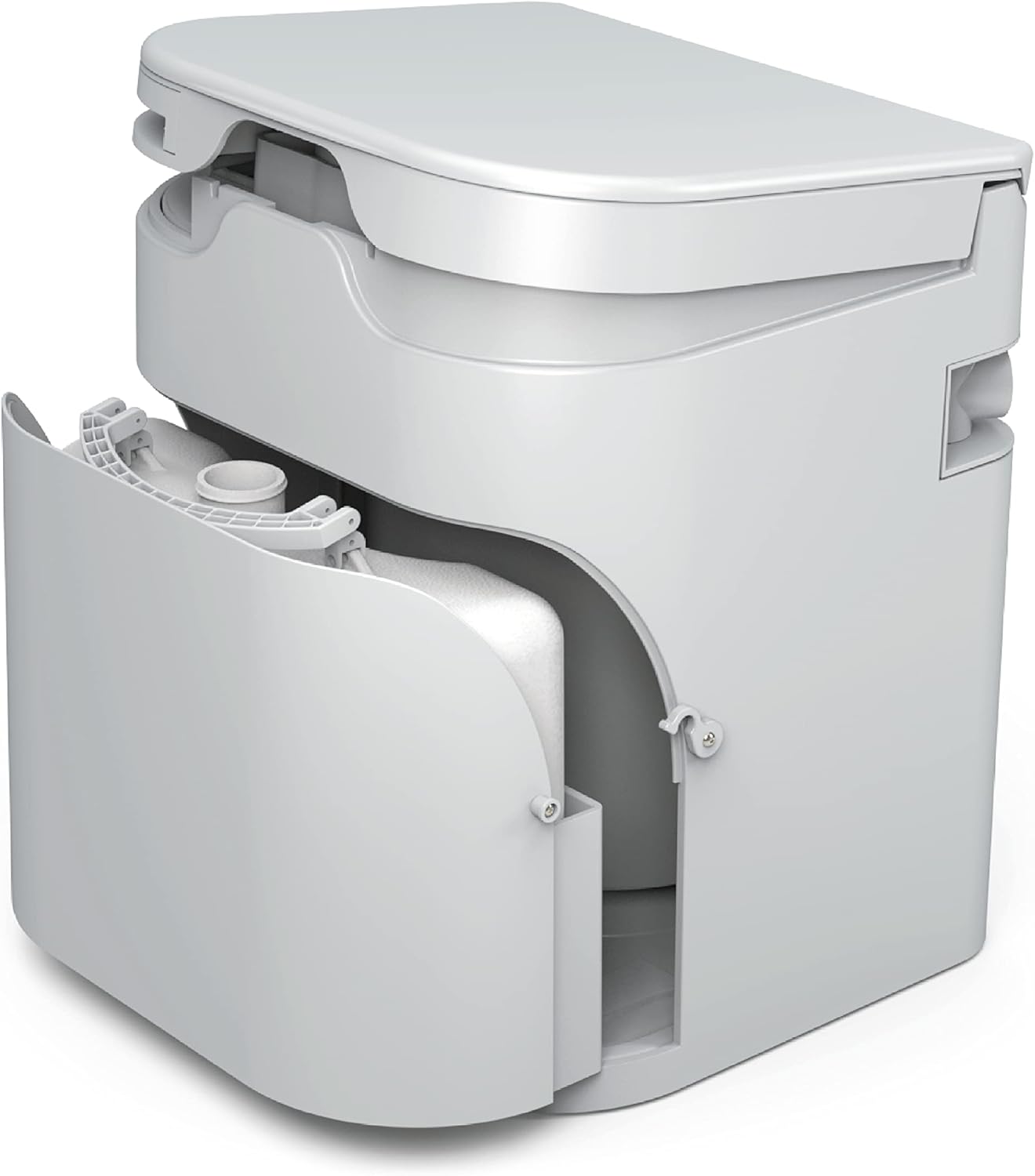

? Are you ready to replace black tanks and dump stations with an odorless, modern composting solution for your RV, tiny house, van, or boat?


OGO™ Compost Toilet | Best Nature’s Compost Toilet | RV, Tiny Houses, Vans, Boats | Electric Mixing | Urine Separating | Urine Level Sensor | No Black Tanks No Dump-Stations
This product name sums up what you get: a urine-separating compost toilet that aims to remove odors, reduce waste handling, and give you more freedom on the road or off-grid. You’ll notice features like electric mixing, a urine level sensor, and a no-dump-station workflow designed for mobile and compact living spaces.
What it is
The OGO™ Compost Toilet is a waterless, urine-separating toilet built to replace traditional black-tank systems. It uses separation plus mechanical mixing to encourage composting and a clean, odor-minimized experience.
What it claims to solve
You’ll avoid chemicals, reduce or eliminate trips to dump stations, and get a hygienic, removable solids bin and urine bottle. The result should be lower maintenance and more independence while still keeping comfort in mind.

OGO™ Compost Toilet | Best Nature's Compost Toilet | RV, Tiny Houses, Vans, Boats | Electric Mixing | Urine Separating | Urine Level Sensor | No Black Tanks No Dump-Stations
Key Specifications
Below is a quick breakdown of the core specs so you can compare at a glance. This table highlights the main numbers and functional points you’ll likely care about when deciding whether the OGO™ suits your lifestyle.
| Feature | Specification |
|---|---|
| Odor Control | Urine-separating design to prevent odors |
| Solids Bin Capacity | 25–30 uses (typical) |
| Urine Bottle Capacity | 2.4 gallons |
| Weight Capacity | Up to 550 lbs |
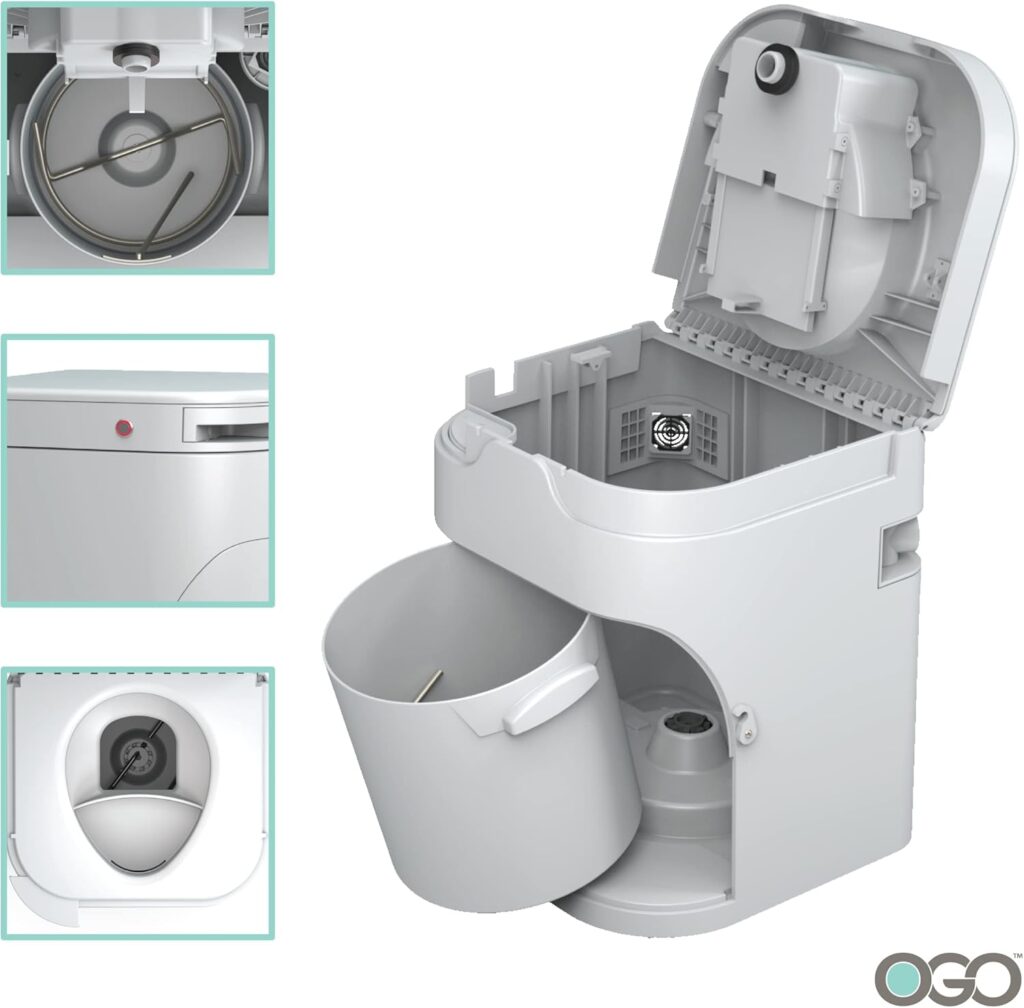
| Mixing | Electric mixing mechanism included |
| Sensors | Urine level sensor for leak/level monitoring |
| Materials | Sturdy molded components, built and assembled in Ohio, USA |
| Typical Uses | RVs, vans, tiny homes, boats, cabins, shelters |
| Water/Chemical Use | No water, no chemicals required |
| Dump Stations | Not required for normal operation |
| Maintenance | Removable solids bin and urine bottle for easy emptying |
How to read the specs
These numbers are a mix of manufacturer guidance and typical user experience. You’ll find actual usage varies based on user habits, frequency of use, and local disposal regulations. The mix of electric mixing and separation is meant to speed processing and reduce odor risk.

Design and Build Quality
The design is meant to feel modern and unobtrusive while being rugged enough for mobile life. You’ll appreciate a clean aesthetic that fits diverse interiors, from modern tiny homes to older RVs.
Materials and construction
OGA™ is manufactured and assembled in Ohio, which signals quality control focused on U.S. standards. The shell and mechanical components use durable plastics and metals where needed, and the parts are designed for routine maintenance and replacement if needed.
Strength and seat comfort
The unit supports up to 550 lbs, so you’ll feel secure sitting on it. The seat and lid are designed for comfort and frequent use, unlike many primitive composting models that prioritize function over ergonomics.
Odor Control and Hygiene
One of your main concerns with composting toilets is smell and sanitation. This model’s urine separation plus mechanical mixing is intended to minimize both the chemical and microbial causes of odor.
Urine separation effectiveness
By keeping urine away from solids you reduce anaerobic conditions that create strong odors. You’ll find that properly separating liquids from solids is the most important step to odor control, and this toilet’s geometry and design focus on making separation reliable during normal use.
Electric mixing and what it does for hygiene
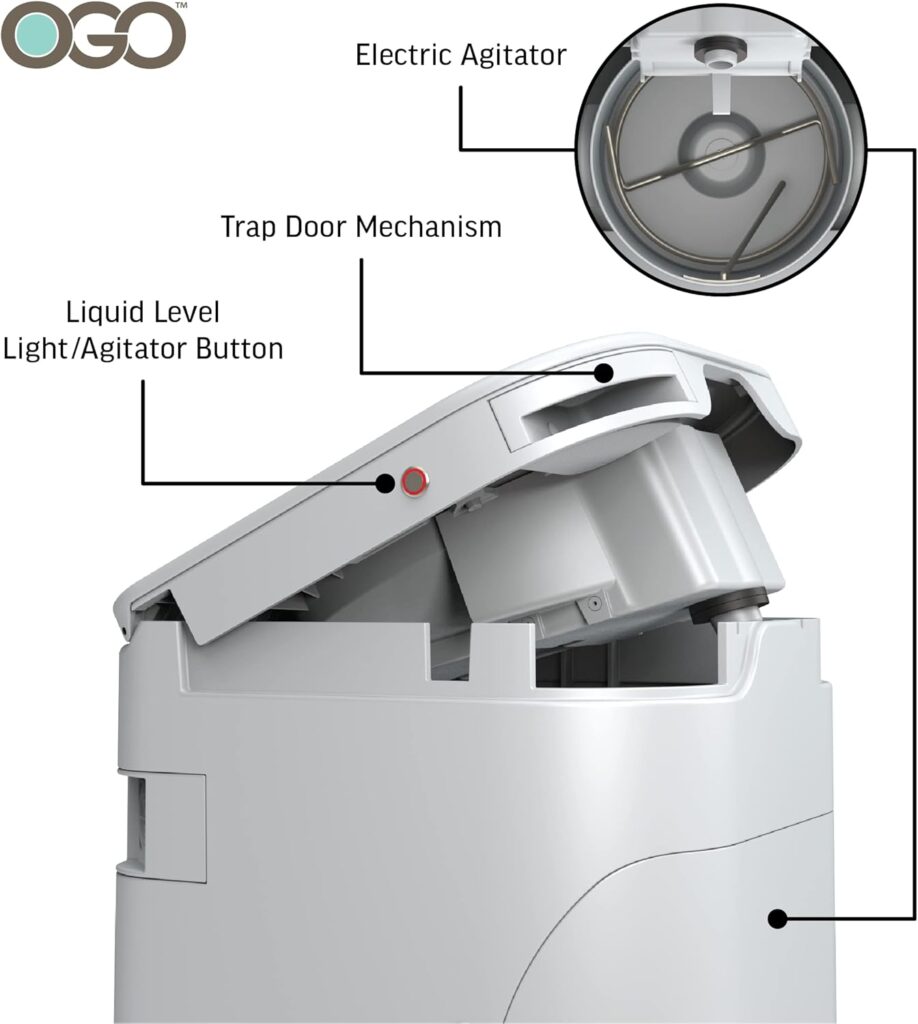
The electric mixing mechanism helps by aerating solids and distributing moisture-absorbing material when used. You’ll see faster drying and more aerobic conditions that suppress foul smells and promote better decomposition compared to non-mixed systems.
Removable bins and cleaning
You’ll empty a solids bin every few weeks depending on usage (typically 25–30 uses), and the 2.4-gallon urine bottle will need emptying more frequently. Both components are removable and designed for easy rinsing or sanitizing. This makes routine clean-up straightforward and minimizes direct contact.
Capacity and Practical Use
Capacity matters because it dictates how often you’ll need to handle waste while off-grid. The OGO™ is tuned for small-group use where convenience matters.
Solids capacity and frequency of emptying
Expect roughly 25–30 uses in the solid waste bin under average conditions. If you have more than one regular user, you’ll empty more frequently; if you’re solo or a couple who conserves space, you’ll get longer intervals between emptying.
Liquid capacity and monitoring
The 2.4-gallon urine bottle fills much faster than the solids bin. The included urine level sensor helps prevent overfilling and gives you a heads-up so you don’t have to guess. You’ll typically empty the bottle every few days with moderate use.
Installation and Setup
You’ll find installation easier than retrofitting plumbing for a black tank, but it still requires planning for mechanical and electrical connections.
Physical installation and footprint
The OGO™ has a compact footprint designed to fit standard RV, van, or tiny house restroom openings. You’ll want to measure your space carefully to ensure the seat height and surrounding cabinetry align with your layout and comfort.
Electrical needs
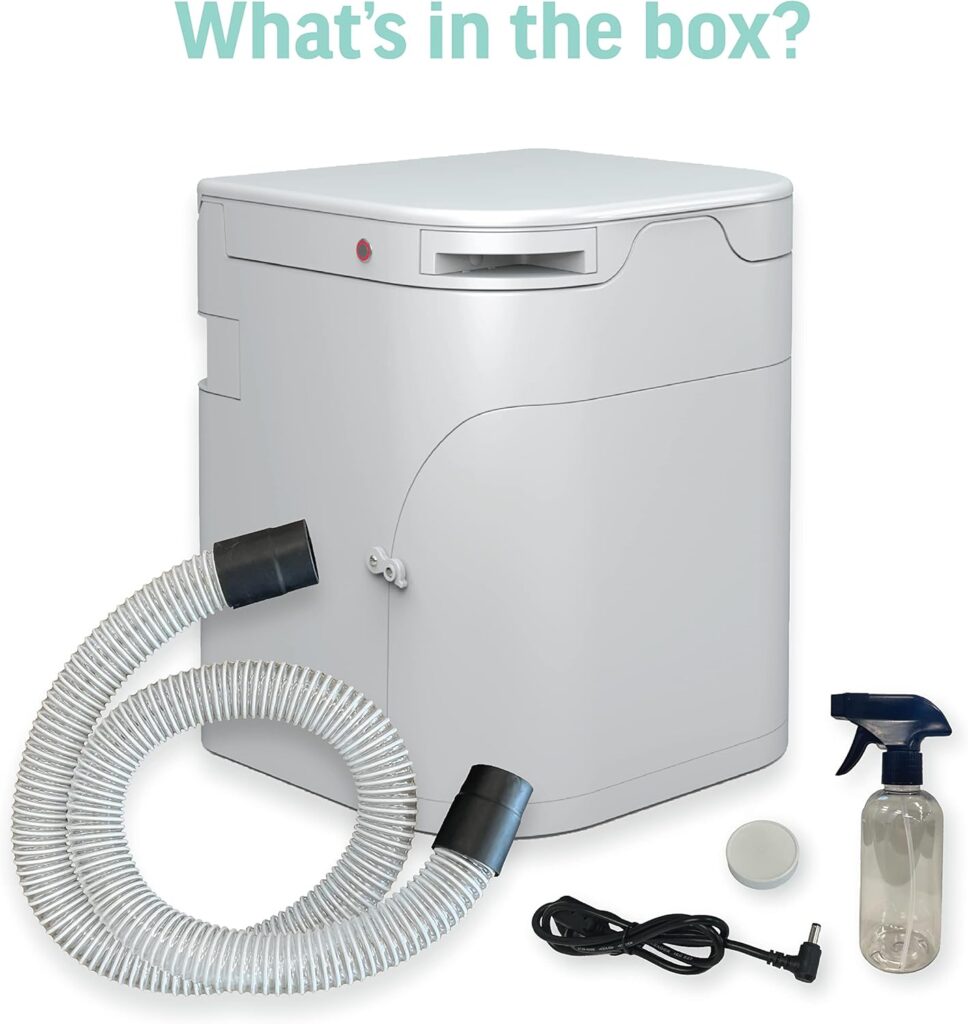
Because the unit has an electric mixer and a urine level sensor, you’ll need a 12V or specified power connection depending on the model variant. You’ll want to plan for wiring and a small fuse-protected circuit from your vehicle or off-grid power system.
Venting and urine routing
Although the urine bottle contains liquids, you’ll still plan routing for vent lines if you want added passive ventilation. You’ll aim to position the bottle for easy removal and secure mounting so it stays put during travel and rough seas.
Performance in Real Use
How the OGO™ behaves in everyday life is often the most important factor for you. Below are scenarios based on common uses.
In RVs and campers
You’ll likely appreciate that the OGO™ replaces a black tank and chemical systems, saving you space and reducing trips to dump stations. The electric mixing and urine separation are handy for keeping smell down in small, enclosed RV bathrooms.
In vans and tiny homes
Space is tight in vans and tiny houses, and the OGO™’s compact design and no-water operation are major advantages. You’ll get the comfort of a sit-down toilet without big plumbing or septic investments, and the removable bins make disposal manageable in urban or rural settings.
In boats and marine heads
On a boat, conserving water and avoiding holding tanks is gold. You’ll enjoy the reduced weight and freedom from pump-out requirements, though you’ll need secure mounting and plan for motion during waves and travel.
Maintenance and Longevity
Routine care keeps the system odor-free and functioning. You’ll spend some time emptying, rinsing, and occasionally checking mechanical parts.
Emptying solids bin
The solids bin requires emptying at intervals related to use—25–30 uses is typical. You’ll remove the bin, empty it into an appropriate composting or disposal system following local regulations, and rinse or sanitize as needed.
Emptying and handling the urine bottle
The 2.4-gallon bottle fills quickly and will need frequent emptying. You’ll dump urine in an approved disposal location, use it as fertilizer where legal and safe, or dispose of it via your existing gray-water handling plan if permitted.
Electrical and mechanical upkeep
Check the mixer motor, seals, and the urine level sensor periodically. You’ll want to ensure the mixer and sensor connections stay dry and secure, and you should replace seals or gaskets if they show wear.
Usability and Comfort
You’ll be living with this element every day, so comfort, noise, and ergonomics matter.
Noise and electrical operation
The mixer motor produces some sound when running, but it’s typically low and unobtrusive. You’ll want to test it in your installation to make sure noise levels are acceptable in confined living spaces.
Seat ergonomics and daily use
The seat design aims to be comfortable for a range of body types and supports up to 550 lbs. You’ll find it more comfortable than many portable bucket-style alternatives and comparable to residential seats.
Safety and Regulations
You’ll need to follow local rules for composting and liquid waste disposal. Regulations vary, so planning is important.
Local regulations and disposal
You’ll check local and campground regulations for urine and solids disposal. In many places, composted solids must be processed further and may not be simply dumped; liquids might need to go into gray systems or be disposed of at approved sites.
Food-safety and composting practices
If you intend to use composted material for growing food, you’ll follow established composting protocols to ensure pathogens are eliminated. You’ll want to use the solids output for non-edible landscaping unless you complete a verified high-heat composting cycle.

Pros and Cons
Below are the practical strengths and limitations to help you decide whether the OGO™ fits your priorities.
Pros
- Odor control: Urine separation and electric mixing significantly reduce smells when used properly. You’ll enjoy fresher indoor air.
- No black tanks: You’ll avoid dump stations and chemicals, saving time and hassle.
- Built in USA: Assembled in Ohio, which can mean faster support or parts for North American buyers.
- Robust design: 550-lb weight capacity and solid build for mobile life.
- Easy cleaning: Removable bins make emptying straightforward.
- Suitable for many settings: RVs, vans, tiny homes, boats, and off-grid cabins.
Cons
- Periodic emptying: You’ll still handle waste more frequently than with large black tanks, especially urine.
- Electrical dependence: Mixer and sensors require power, which could be a drawback if you want a totally passive system.
- Initial cost: Composting toilets with electric systems usually cost more upfront than simple portable options.
- Disposal rules: Local regulations can complicate disposal or reuse options for solids.
Comparison with Alternatives
Understanding how OGO™ stacks up against other common options will help you choose the right fit for your lifestyle.
| Feature | OGO™ Compost Toilet | Chemical/Cassette Toilet | Composting Unit (Passive) |
|---|---|---|---|
| Water use | None | Low to none for some cassettes | None |
| Odor control | Urine-separation + electric mixing | Depends on chemicals and seals | Depends on ventilation and usage |
| Dump station need | Generally no | Usually yes (cassette) | Generally no |
| Maintenance frequency | Moderate (empty solids & urine) | Moderate (empty cassette) | Moderate to low (depends) |
| Power required | Yes (mixer, sensors) | No or minimal | No (passive) |
| Best for | RVs, vans, tiny homes, boats | Rental trailers, short trips | Long-term off-grid users preferring passive systems |
Practical takeaways from the comparison
You’ll find OGO™ occupies a middle ground: more advanced than basic portable options but less infrastructure-heavy than a full septic connection. If you want active odor control and frequent, reliable performance, this unit is a strong fit.
Cost, Warranty, and Support
Investing in a composting toilet is a trade-off between convenience, independence, and initial expense. You’ll want to understand long-term costs.
Upfront and long-term costs
Expect a higher initial purchase price than simple portable toilets. Long-term, you’ll save on chemicals, water, and dump station fees. You’ll also save vehicle weight compared to full black tanks.
Warranty and parts
Because the unit is built and assembled in Ohio, you should have access to replacement parts and customer support within the U.S. Confirm warranty length for electronics and moving parts, and ask about availability of replacement solids bins, seals, and the urine bottle.
Real-world Tips for Best Results
Small habits improve your experience dramatically. You’ll get better performance by following a few practical tips.
Use drying/absorbent materials
Keep a supply of carbon-rich materials or drying mix (sawdust, coconut coir, wood shavings) handy to add to solids as needed. This helps maintain aerobic conditions and minimizes sticking and odors.
Train users on separation
Make sure everyone knows how the separation works and the importance of aiming. Proper separation is the single biggest factor for odor control and system efficiency.
Monitor sensors and empty on schedule
Use the urine level sensor proactively to prevent surprises. Empty on a broad schedule based on your daily usage pattern rather than waiting until you notice problems.
Secure the unit for travel
If you use the toilet in a vehicle or boat, verify that the solids bin and urine bottle are locked in place for travel. You’ll avoid spills and damaged components.
Who should consider the OGO™
You’ll find this toilet especially attractive if you live or travel in small spaces and want a low-water, low-odor solution that’s more refined than basic portable options.
Ideal users
- Full-time or part-time RVers who want to eliminate dump station visits.
- Vanlifers and tiny homeowners who prioritize comfort and cleanliness.
- Boaters who want to reduce holding tank maintenance and water use.
- Off-grid cabin owners who want a durable, easy-to-maintain indoor toilet without plumbing.
Who might not prefer it
If you want a completely passive system with zero electrical needs, or you dislike routine emptying of urine bottles, another solution might fit you better. Also, if your local rules make disposal difficult, weigh alternatives carefully.
Final Verdict
You’ll get a thoughtfully engineered, modern composting toilet that balances comfort, odor control, and independence. The electric mixing and urine separation work together to keep odors down and composting effective, while the removable bins make maintenance manageable.
Short recommendation
If you want to ditch black tanks, avoid chemicals, and maintain a comfortable, odor-free bathroom in a compact living situation, the OGO™ is a strong contender. You’ll need to plan for electrical hookup and routine emptying, but those trade-offs are reasonable for the convenience and freedom this system offers.
Final considerations before buying
Measure your bathroom space, check your power system, and understand local disposal regulations. If you do that homework, you’ll be well-prepared to integrate the OGO™ into your mobile or off-grid life with confidence and minimal hassle.

Disclosure: As an Amazon Associate, I earn from qualifying purchases.