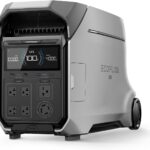
Are you trying to find a dependable, expandable battery solution that can keep your home essentials running during a blackout or power your RV and camping setup?


Product Overview: EF ECOFLOW DELTA Pro Extra Battery 3600Wh, 2.7H to Full Charge, Battery Backup for Home Use, Blackout, Camping, RV
You’re looking at the EF ECOFLOW DELTA Pro Extra Battery 3600Wh as a modular extension to the DELTA Pro ecosystem. This unit adds a full 3.6 kWh of capacity to your system and is designed to work seamlessly with the DELTA Pro main unit, effectively doubling your available storage when paired.
What this product is meant to do
The extra battery is built to expand runtime for appliances and devices when grid power isn’t available, giving you days of power for essentials depending on your usage. It also serves as a portable power reservoir for outdoor activities like camping and for on-the-road use in RVs, with smart app control and on-unit display for quick checks.
Who should consider it
If you need multi-day backup without moving to a large installed battery bank, this product is for you. It’s also suited to people who want a flexible, modular power solution that grows with their needs rather than committing to a fixed-capacity system.

EF ECOFLOW DELTA Pro Extra Battery 3600Wh, 2.7H to Full Charge, Battery Backup for Home Use, Blackout, Camping, RV
$1199 In Stock
Key Features at a Glance
You’ll appreciate the major features designed to make energy management convenient and reliable. The extra battery supports charging in unison with DELTA Pro and uses the same charging methods, giving you flexibility.
Expandable Capacity
Pairing the extra battery with a DELTA Pro expands the system capacity from 3.6 kWh to 7.2 kWh, which directly translates to longer runtime for your critical loads. Because the units charge and discharge together, you won’t have to micromanage which unit is used first.
Fast Charging Options
The extra battery benefits from all DELTA Pro charging methods, including the 6500W MultiCharge capabilities that let you combine multiple charging sources for faster replenishment. In emergencies, you can also use a Smart Generator for up to 1800W DC fast charging directly into the extra battery.
Built-in Monitoring
You get a bright LCD display on the front of the extra battery showing input, output, remaining charge percentage, and estimated time remaining. The EcoFlow app adds remote monitoring and control so you can check status from your phone.

Performance and Charging Behavior
You’ll want to know how the extra battery performs in real-world charging and discharge scenarios. The unit is designed to mirror the DELTA Pro performance profile when connected, providing a consistent experience.
Charge/Discharge in Unison
When the extra battery is connected to DELTA Pro, they’ll keep charge levels synchronized and work as a single, larger battery system. This simplifies energy management because the pair behaves like one unit from a control and reporting perspective.
Fast Charge Time Claim
The product listing states 2.7 hours to full charge under ideal conditions — a big advantage when you need to restore capacity quickly. Actual charging times will vary depending on the sources and whether you’re using MultiCharge, solar, AC, or the EcoFlow Smart Generator.
Capacity, Runtime Estimates, and Practical Use
Capacity numbers are useful, but you’ll also want realistic runtime estimates to match your demands. Below you’ll find a practical breakdown and examples to help you plan.
True Usable Capacity
The 3600Wh rating represents the nominal capacity of the extra battery; when combined with a DELTA Pro main unit, total nominal capacity reaches 7200Wh. Real usable capacity will be slightly lower after accounting for inverter efficiency and real-world losses, so plan accordingly.
Example Runtime Scenarios
If you’re powering essential loads (fridge, lights, router), you can expect significantly extended runtime compared to the base DELTA Pro. Exact hours depend on device draw, but the extra battery is oriented to provide days of runtime for essential appliances rather than minutes or hours.

Ports, Connections, and Charging Options
You’ll find a variety of ports and a smart port scheme that supports multiple charging sources and quick connectivity. The extra battery is both functional for stationary backup and useful for mobile scenarios.
Generator and DC Fast Charging
When options are limited, plugging an EcoFlow Smart Generator directly into the extra battery delivers up to 1800W DC fast charging, which works even if the extra battery is disconnected from the DELTA Pro. This flexibility is especially handy if you need to charge the extra battery away from the main DELTA Pro unit.
MultiCharge and Combined Charging
The DELTA Pro ecosystem offers MultiCharge up to 6500W by combining multiple charging inputs, allowing you to top up much faster than single-source charging. This means you can combine AC, solar, and vehicle charging simultaneously to get back to full quickly.
Design, Build, and Portability
You’ll notice the extra battery is designed to match the DELTA Pro in styling, with an emphasis on durable materials and practical mounting. It’s heavy relative to small portable power stations but engineered for modular stacking and connection.
Physical Considerations
The extra battery is substantial in weight and size, so you’ll want to plan placement carefully, especially if you intend to move it regularly. The design includes handles and a stackable footprint to help with handling and storage when paired with the DELTA Pro.
On-device Information Display
The front LCD gives you fast access to the most important metrics — state of charge, input/output power, and remaining runtime. You can rely on that display for quick checks without having to open the app.

App and Smart Control
You’ll benefit from the EcoFlow app, which is central to managing multiple units and monitoring performance remotely. App features help you control charging schedules, check system health, and get notifications.
Remote Monitoring
The app lets you see battery percentage, inputs, outputs, and estimated remaining time from your phone, whether you’re in the house or away. That remote visibility is useful for peace of mind when you’re not on-site.
Control and Automation
You can configure charging priorities, firmware updates, and other settings through the app to tailor the system to your specific needs. If you prefer a hands-off setup, automations can keep things running without daily adjustments.
Safety, Management Systems, and Warranty
You’ll want to know about safety and the systems protecting the battery; the DELTA Pro ecosystem includes multiple protections to prolong battery life and protect appliances. These systems also keep operation predictable and secure.
Battery Management System (BMS)
The built-in BMS protects against overcharge, over-discharge, over-current, and temperature extremes, which helps extend service life and keeps connected devices safe. You can monitor fault events and status through both the LCD and the app.
Warranty and Support
EcoFlow typically offers a warranty and customer support for their batteries, and you should confirm warranty length and coverage at purchase. Make sure you register your unit and keep proof of purchase to simplify any future support needs.
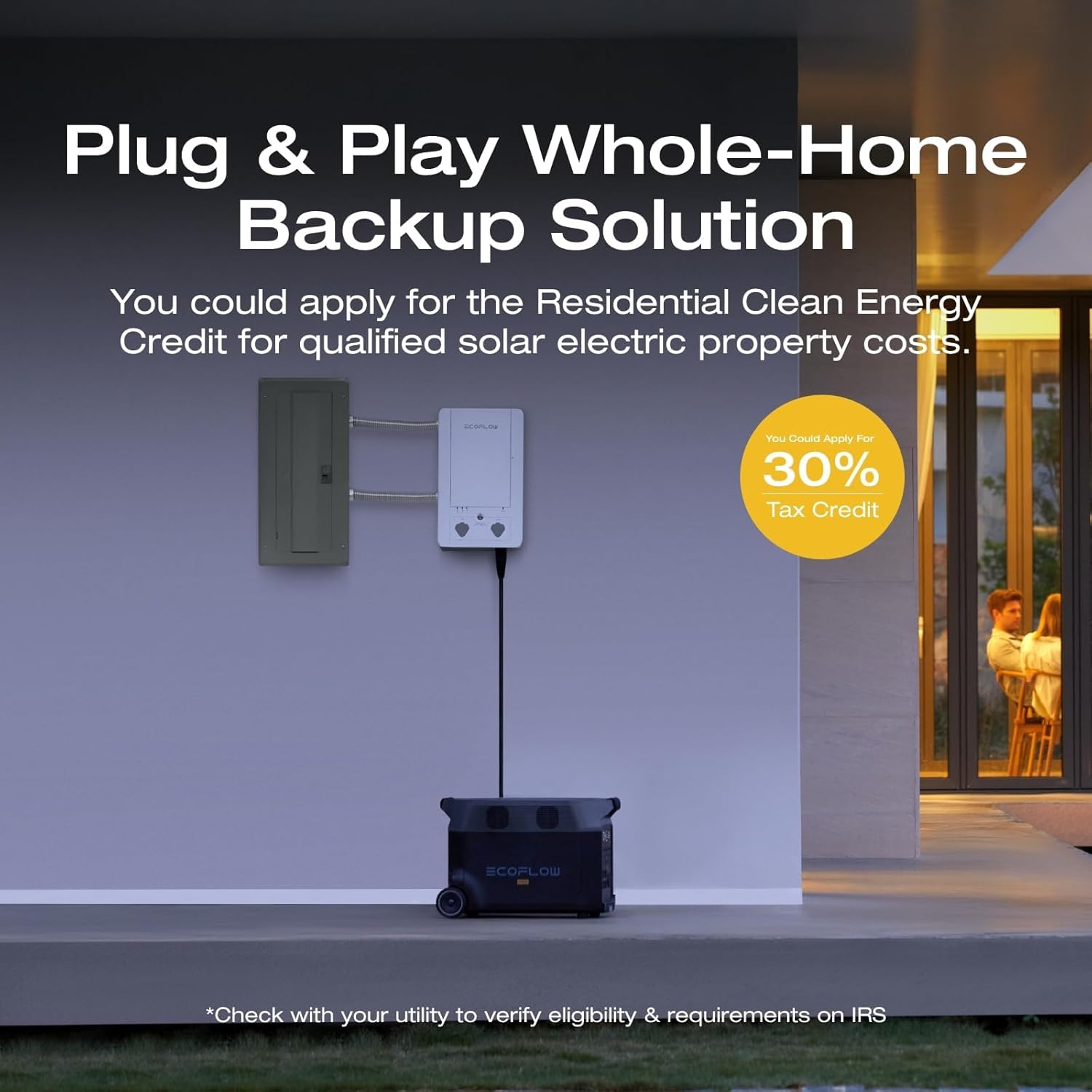
Installation and Setup
You’ll likely find setup straightforward if you’re comfortable with physical connections and app-based pairing. The units are designed to connect seamlessly and begin operating in unison.
Physical Pairing Steps
To get the extra battery working with your DELTA Pro, you’ll place the units next to each other, connect the dedicated linking cable, and follow the on-screen/app prompts to register the battery. After linking, the system will balance charging and discharging automatically between both units.
App Pairing and Configuration
Pairing in the EcoFlow app is a few steps: add device, scan or select the unit, and assign it to your account or location. From there you can configure charge priorities, check firmware status, and name the battery for easier management.
Real-World Testing and Runtime Examples
You’ll want specific numbers to estimate how this battery will perform in situations you care about. Below are realistic runtime examples for common devices, based on the 3600Wh extra battery paired with DELTA Pro for combined capacity.
Table: Runtime Estimates and Specs
| Item/Spec | Value / Estimate |
|---|---|
| Extra Battery Nominal Capacity | 3600 Wh |
| Combined Capacity with DELTA Pro | 7200 Wh (nominal) |
| Claim: Full Charge Time | ~2.7 hours (under ideal multi-source charging) |
| LCD Display | Shows input, output, percent, time remaining |
| Fast Charge Option | 1800W DC via EcoFlow Smart Generator |
| Typical fridge (120-200 W) | ~36–60 hours on combined 7200Wh nominal, adjust for efficiency |
| Essential home load bundle (fridge + lights + router ~500 W) | ~12–14 hours on combined 7200Wh nominal |
| Laptop (60 W) | ~120 hours on combined 7200Wh nominal |
| Smartphone (10 W) | Dozens of charges; hundreds of hours runtime |
You’ll notice these estimates assume ideal conditions and nominal capacity; real-world runtimes will vary. In practice, inverter losses, environmental conditions, and device inefficiencies will reduce runtime by a margin that you should account for in planning.
Use Cases: Blackouts, Camping, and RV Life
You’ll find the extra battery especially valuable when you need prolonged power away from the grid or when the grid is unreliable. It’s designed to support varied lifestyles and emergency preparedness.
Home Backup During Blackouts
If you’re preparing for multi-day outages, pairing an extra battery with a DELTA Pro gives you the capacity to run vital systems for longer. Prioritize critical loads like refrigeration, medical devices, and communication gear to stretch runtime.
Camping and Overlanding
For extended camping trips or off-grid setups, the rechargeable extra battery lets you keep conveniences like lights, a fridge, and devices running without noisy generators. Its portability is handy for campsite placement and remote charging with solar or a generator.
RV and Mobile Living
In an RV, you’ll appreciate the modular capacity that lets you add power only when you need it, reducing upfront cost if you don’t require full capacity immediately. The fast-charge options also mean you can top off quickly when you stop at a campground with power or use a Smart Generator as needed.
Maintenance, Care, and Longevity
You’ll keep the extra battery performing best by following basic maintenance routines and understanding how to store it properly. Battery life is influenced by how you charge, discharge, and store the unit.
Charging Habits
Avoid leaving the battery at extreme states of charge for long periods; try to keep it in a moderate range if you won’t be using it for weeks at a time. Regular cycling within recommended ranges and avoiding sustained high temp conditions will help maintain capacity over years.
Storage and Environment
Store the battery in a cool, dry area out of direct sunlight when not in use, and avoid freezing temperatures. If you plan to store it for longer durations, follow the manufacturer’s guidelines for state-of-charge and periodic top-ups.
Tips for Maximizing Battery Life and Efficiency
You’ll get more value from the extra battery by using a few practical strategies to reduce waste and optimize performance. Small behavioral changes can lead to meaningful runtime gains.
Prioritize Efficient Appliances
Use energy-efficient LED lights, efficient fridges, and smart power strips to reduce parasitic loads and extend runtime. The lower your consistent draw, the longer your battery will last between charges.
Use MultiCharge Intelligently
When you need a quick turnaround, combine charging sources via MultiCharge; when time isn’t urgent, slower charging via solar or a single AC source is gentler on the battery and can aid longevity. Balance urgency against battery health when choosing charging modes.
Pros and Cons
You’ll want a clear snapshot of strengths and trade-offs before deciding. Below are key advantages and limitations that matter most for most buyers.
Pros
- Significant capacity expansion when paired with DELTA Pro, effectively doubling available energy.
- Multiple fast charging options including 6500W MultiCharge and 1800W DC generator input.
- Integrated LCD and smart app control for easy monitoring and management.
- Modular design that scales as your power needs grow.
Cons
- Weight and size make it less convenient for frequent moving compared to smaller portable power stations.
- Real-world runtimes will be lower than nominal capacity due to inefficiencies and losses.
- Cost is higher than single small power stations, reflecting its higher capacity and modular design.
Buying Considerations: Is This Right for You?
You’ll weigh upfront cost, capacity needs, charging flexibility, and mobility when making a decision. The extra battery is best if you already own or plan to buy a DELTA Pro and need modular capacity.
Match Capacity to Needs
If you need multi-day backup for essential loads or extended off-grid use, this extra battery is compelling. If your needs are shorter-term or more mobile-focused, consider whether a lighter, smaller unit might suffice.
Budget and Ecosystem
If you’re invested in the EcoFlow ecosystem, adding this battery will integrate seamlessly and unlock charging flexibility and control. If you’re on a tight budget and don’t need expandability, a single, smaller power station could be more cost-effective.
Frequently Asked Questions
You’ll likely have specific questions about charging, compatibility, and real-world usage. Here are answers to common queries to help you decide.
Can the extra battery be used on its own?
The extra battery is designed primarily to work with DELTA Pro; however, it can accept 1800W DC charging via a Smart Generator when disconnected, giving it some standalone utility. Full functionality and synchronized charging/discharging are achieved when paired with DELTA Pro.
How long does it take to fully charge?
Under optimal conditions and with MultiCharge, the system claims about 2.7 hours to full charge, but actual times depend on charge sources and environmental conditions. Using only solar or single-source AC will typically take longer.
Is the battery safe around children and pets?
The unit includes a Battery Management System to protect against overheating, over-current, and other issues; still, keep it in a safe, ventilated spot out of reach of children and pets. Follow all manufacturer safety and installation guidelines.
Final Recommendation
You’ll find the EF ECOFLOW DELTA Pro Extra Battery 3600Wh an excellent choice if you want modular, expandable backup power with smart controls and fast charging capabilities. It’s particularly strong for home backup, long camping trips, and RV life when paired with a DELTA Pro main unit.
Who should buy it
Buy this if you already have or plan to invest in the DELTA Pro ecosystem and need a reliable way to double capacity without installing permanent battery systems. It’s ideal for anyone prioritizing flexibility, app-based control, and the ability to quickly recharge when needed.
Final practical tip
Plan your loads and charging approach before you rely on it in an emergency: know which appliances you’ll prioritize, set charging schedules in the app, and practice a test run so you’re confident in how long your setup will last when you need it most.
If you want, I can provide tailored runtime estimates for your specific appliances and usage pattern — tell me the devices you’ll power and their wattages or typical daily energy use, and I’ll calculate realistic outcomes for you.

Disclosure: As an Amazon Associate, I earn from qualifying purchases.