Looking for a comfortable, efficient RV toilet that feels like a residential unit and still conserves water?

What the Dometic 302320081 320 Series Standard Height RV Toilet, White is and why it matters
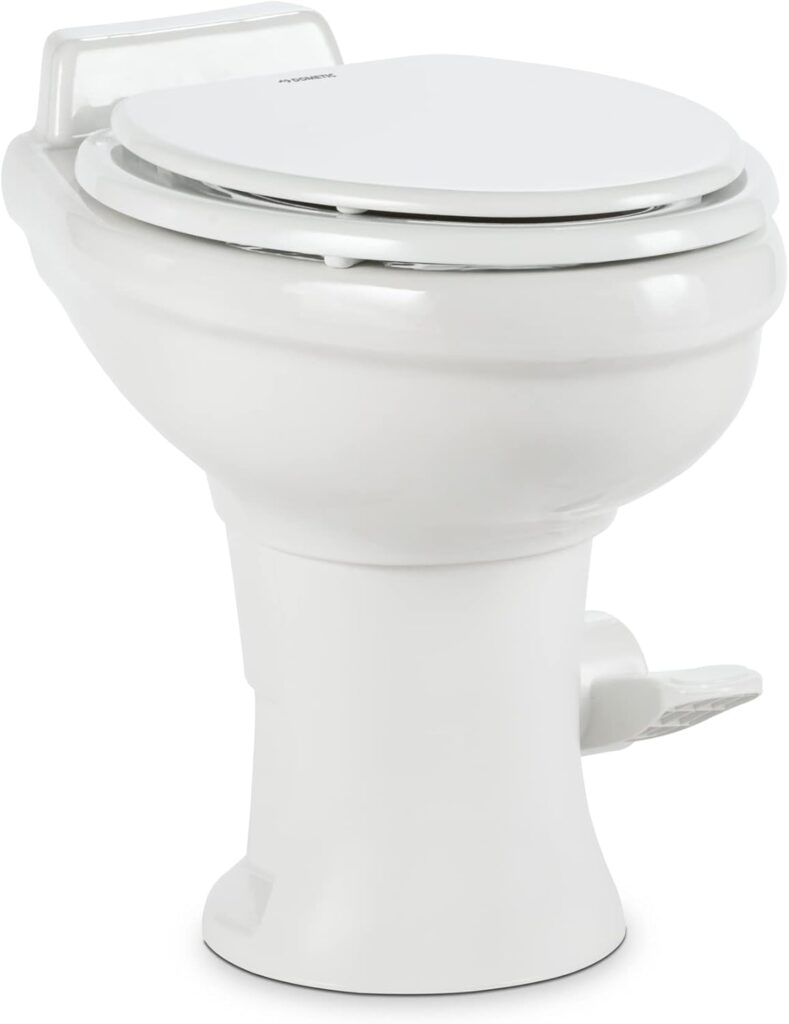
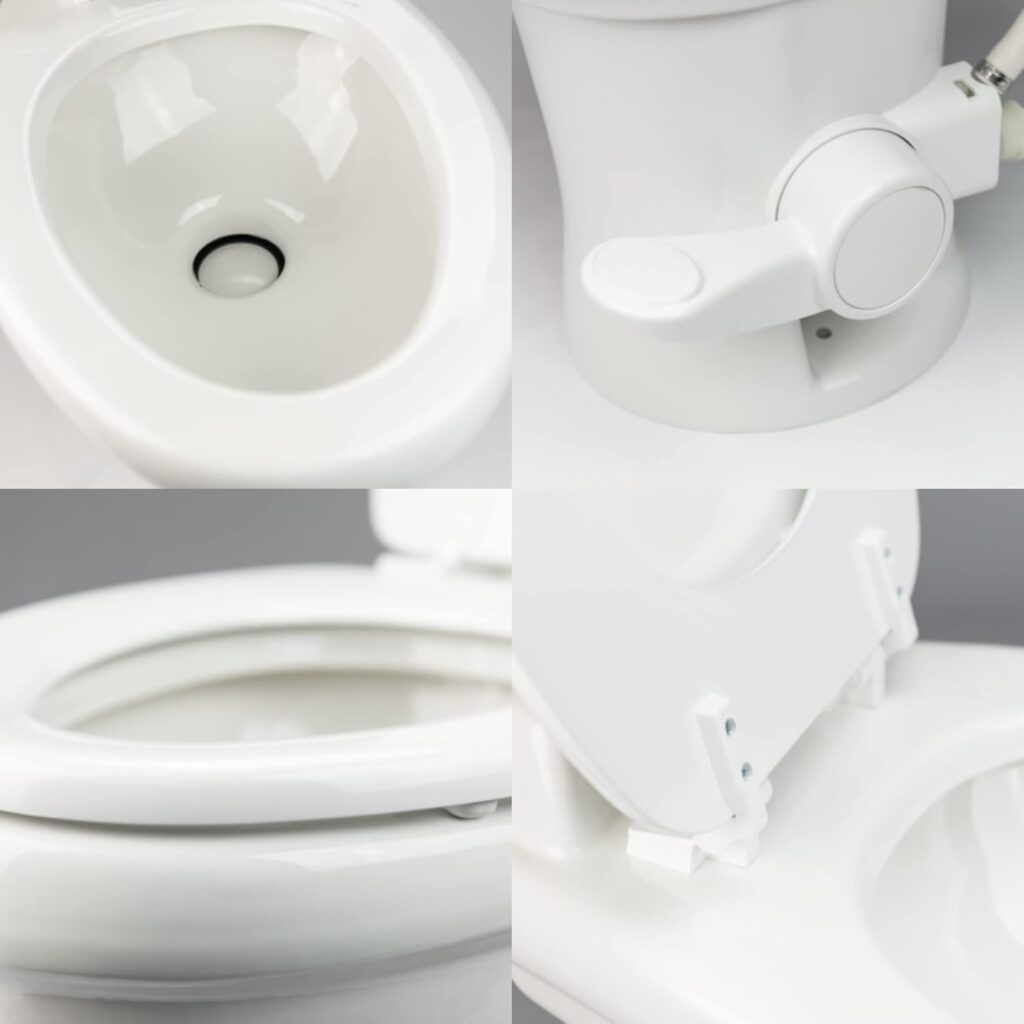
You’ll recognize this unit by its full-size residential look and the promise of RV-friendly efficiency. The Dometic 302320081 320 Series Standard Height RV Toilet, White combines a 100% vitreous ceramic bowl and a full-size wood seat with a gravity-flush system that uses only one pint of water per flush.
You get a familiar residential profile in an RV-friendly package, and that matters if you want comfort on the road without sacrificing tank capacity or adding complicated plumbing.
Quick summary of key selling points
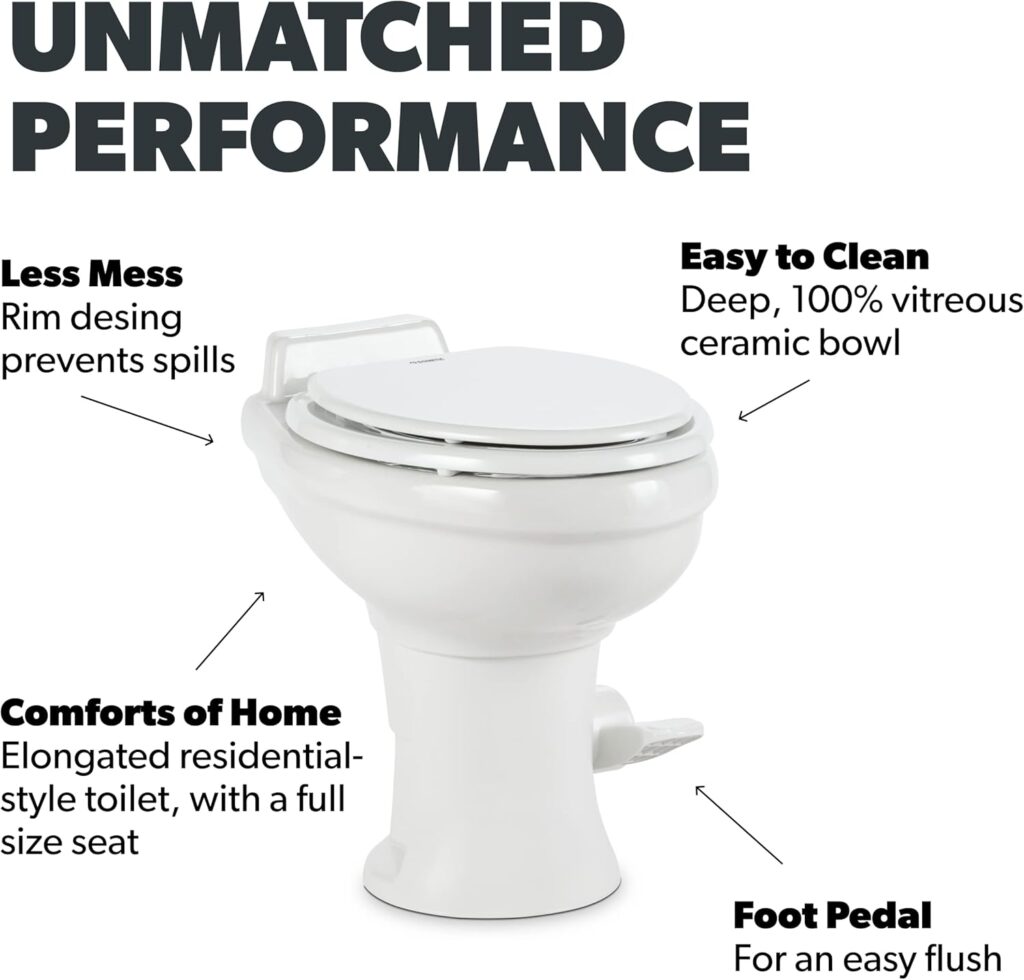
You’ll appreciate the residential-style seating, deep bowl design for reduced splash, and a rim design that helps prevent spills. The ergonomic foot pedal gives you hands-free control: press partway to add water, press fully to flush. This model aims to be simple, durable, and efficient.
You’ll find the combination of the deep ceramic bowl and a gravity flush system particularly appealing if you prefer low-maintenance components that last.

Product specifications and breakdown
You want the facts presented clearly so you can compare easily. Below is a concise table that breaks down the most important attributes of the Dometic 302320081 320 Series Standard Height RV Toilet, White.
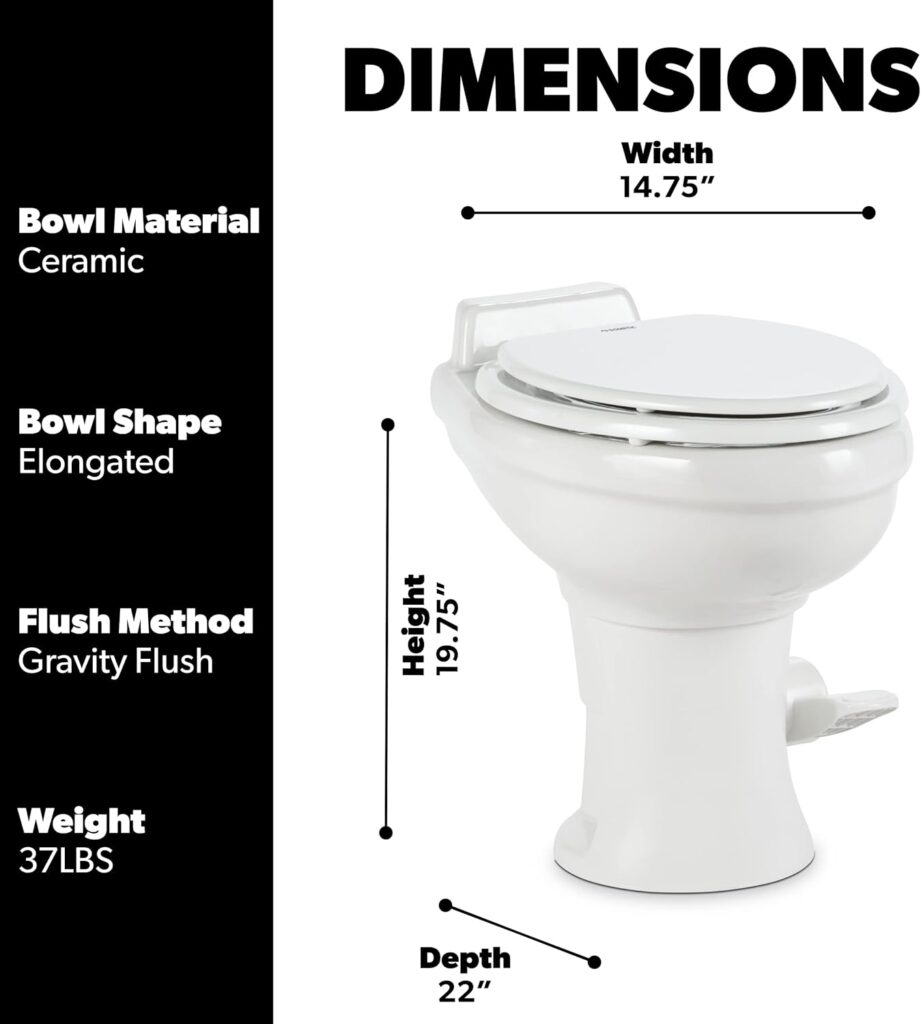
| Feature | Specification / Notes |
|---|---|
| Model name | Dometic 302320081 320 Series Standard Height RV Toilet, White |
| Bowl material | 100% vitreous ceramic |
| Seat type | Full-size residential style wood seat (white finish) |
| Bowl style | Deep bowl (designed to reduce splash) |
| Flush type | Gravity flush |
| Water per flush | One pint (approx. 0.5 liters) |
| Rim design | Raised rim to prevent spills and reduce splash |
| Foot pedal | Ergonomic; partial press adds water, full press flushes |
| Height | Standard residential height for comfortable seating (standard RV height) |
| Color | White |
| Intended use | RV installations, replacements, retrofits for comfort-focused users |
You can use this table as a quick reference when matching the toilet to your RV layout or shopping list.

Design and build quality
You’ll notice the Dometic 320 Series looks more like a home toilet than many RV-specific models. That aesthetic is paired with practical choices: a vitreous ceramic bowl that resists staining and a wooden full-size seat for comfort.
The materials and construction are chosen to balance durability and a premium feel, while the gravity-flush mechanism minimizes moving parts that could fail in a mobile environment. That means fewer surprises for you during long trips.
Bowl and rim design
You get a deep bowl and a rim designed to prevent spills. The deep bowl helps keep the contents further from the surface to cut down on splash, while the rim shape directs bowl contents into the trap efficiently.
This design reduces unpleasant spray and helps maintain a cleaner bowl between cleanings, which is a real advantage in a small RV bathroom.
Seat and comfort
The full-size residential wood seat brings more comfort than many compact RV seats. The seat’s shape and standard height make sitting and standing easier, which is especially helpful if you’re taller or have mobility considerations.
You’ll find it more familiar and comfortable during extended stays in your coach compared with typical lower-profile RV seats.
Installation and retrofit considerations
You want installation to be straightforward and to fit your existing plumbing and mounting. The 320 Series is meant as a standard-height replacement for many RV toilets, but you’ll want to verify bolt locations, waste outlet alignment, and water supply connections on your RV before buying.
If you’re swapping out an older RV toilet, take careful measurements of flange location, bolt pattern, and floor clearance. In many cases, this model will bolt into standard RV mounting points, but small adjustments may be required.
Preparing your RV bathroom for installation
You should turn off the water supply and empty the black tank before you start. Clean the installation area and remove any old sealant or debris from the flange.
Gather basic tools (wrench set, screwdrivers, sealant, wax ring or RV-specific flange seal) and have replacement bolts and washers handy in case the old ones are corroded.
Step-by-step installation overview
You’ll want to follow a careful sequence to avoid leaks and alignment problems. The typical process looks like this:
- Shut off water supply and drain the system.
- Remove the old toilet and clean the flange area thoroughly.
- Inspect the floor and fasteners; replace corroded bolts.
- Position a new RV-friendly seal or wax ring onto the flange.
- Set the Dometic toilet in place, aligning the bolt holes and waste outlet.
- Secure bolts evenly, alternating sides to avoid cracking the porcelain.
- Connect the water supply to the fill line and verify the coupling is tight.
- Test the foot pedal operation and check for leaks.
- Run a few trial flushes to ensure proper sealing and trap filling.
You’ll want an extra set of hands when lowering the toilet into place — the vitreous ceramic can be heavy and fragile if dropped.
Foot pedal operation and user interaction
You’ll like the ergonomic foot pedal because it gives you precise control without using your hands. Partially pressing the pedal adds a controlled amount of water to the bowl, and pressing fully opens the flush valve for a complete, low-water gravity flush.
This two-stage action is convenient for managing water usage and keeping the bowl at the right water level between flushes. It also reduces contact with surfaces and makes the system more hygienic.
How to use the pedal effectively
To add water, press the pedal gently partway and release; this lets a small amount of water into the bowl. For flushing, push the pedal fully and hold briefly until the flush completes.
If the flush seems weak, giving the pedal a slightly longer hold ensures the valve opens fully. Practice a couple of times to learn the pedal’s sensitivity and to avoid over- or under-flushing.
Flushing performance and water efficiency
You’ll appreciate that the toilet uses only one pint of water per flush. That’s highly efficient for an RV and helps you extend the time between black tank dumps.
The gravity-flush design is reliable and doesn’t depend on macerators or electric pumps. Coupled with the deep bowl and rim design, this toilet balances sanitation, water economy, and effective waste removal.
Why one pint per flush matters
Using one pint per flush lets you make the most of limited freshwater capacity and reduces the frequency of using water from the onboard tank. For short trips or boondocking, every pint saved adds up.
You’ll also reduce odor risk because efficient flushing keeps solids away from the rim and traps. In practice, you’ll likely find you can maintain a clean bowl with fewer flushes if you use the partial-water feature strategically.
Real-world flushing notes
Expect a quiet, low-splash flush if the bowl and rim are installed correctly. Because the system relies on gravity and a well-sealed trap, you should see consistent results without the need for power.
If you have persistent issues like incomplete evacuation, check the waste outlet alignment and ensure the black tank venting is unobstructed.
Cleaning and maintenance
You’ll find vitreous ceramic is straightforward to clean and resists staining. The smooth, non-porous surface repels grime and is compatible with most household cleaners, though you should avoid abrasive pads that could scratch the glaze.
The foot pedal and valve assembly are mechanical and benefit from occasional inspection and lubrication. Keeping seals and gaskets in good condition is the best way to prevent leaks and maintain odor control.
Recommended cleaning approach
Use a mild, non-abrasive cleaner and a soft brush for regular cleaning. For mineral buildup, a diluted vinegar solution can help dissolve scale without attacking the ceramic glaze.
Clean around the pedal assembly and the seal area gently to prevent pushing cleaners into the mechanism. Rinse thoroughly after using any chemical cleaners to avoid residue buildup.
Routine maintenance checklist
You should:
- Inspect seals and gaskets every few months for cracking or hardening.
- Lubricate pivot points or moving parts on the foot pedal if they become stiff (use a plumber-recommended lubricant).
- Check for slow leaks under the flange after installation.
- Replace the seal or wax ring if you remove the toilet for any reason.
- Monitor the black tank vent and valves to prevent backpressure that can affect flush performance.
You’ll reduce emergency maintenance by staying ahead of common wear items.
Durability and reliability
You’ll rely on the vitreous ceramic for long-term durability; it’s one of the most robust materials for toilet bowls and resists scratching and staining much better than plastic. The gravity flush mechanism has fewer failure points than electric or macerating systems.
That means you’re likely to have a long service life with minimal repairs, provided you maintain the seals and the pedal mechanism.
Common wear areas and fixes
The most likely maintenance items are the pedal valve seal and the mounting hardware. These are commonly available spares and are typically easy to replace with basic tools.
If the seat begins to show wear, you can replace the wood seat with a compatible model, but be mindful of bolt spacing and hinge styles.
Compatibility and retrofitting tips
You’ll need to confirm that the toilet’s base footprint and waste outlet alignment match your RV’s floor flange. Measure bolt centers and the distance from the rear wall to the flange to ensure the seat will clear the wall or vanity.
If you’re upgrading from a compact RV toilet to this full-size model, verify headroom for the larger seat and measure any cabinetry or shower doors near the installation area.
What to measure before you buy
Before purchasing, measure:
- Distance from the rear wall to the center of the waste flange.
- Bolt center spacing (distance between mount bolts).
- Floor clearance and any obstructions around the toilet area.
- Water supply line location and the type of connector used.
You’ll avoid surprises during installation by taking these measurements ahead of time.
Comparison with other RV toilet types
You’ll want to know how this model stacks up against other options: macerating, cassette, and composting toilets. Each type has trade-offs.
Gravity-flush (this model) Pros: low maintenance, no electricity, familiar residential feel, uses modest water. Cons: needs a black tank, limited to RVs with waste plumbing. Macerating Pros: can install below floor level and pump waste up to a remote tank. Cons: needs electricity and has moving parts that can fail. Cassette Pros: portable waste cassette—good for vans or tiny rigs without plumbing. Cons: often smaller seat and less residential feel. Composting Pros: minimal water use and no black tank. Cons: different maintenance routine and not always comfortable for users expecting a traditional toilet.
You’ll choose based on how you balance comfort, complexity, and where you camp (full hookups vs boondocking).
Pros and cons
You’ll get a clear picture from this balanced list.
Pros:
- Full-size residential-style seat for comfort.
- 100% vitreous ceramic resists stains and is easy to clean.
- Deep bowl and rim design reduce splash and spills.
- Highly water-efficient at one pint per flush.
- Simple gravity flush mechanism with two-stage ergonomic foot pedal.
- Familiar look and feel for those moving from stick-and-brick bathrooms.
Cons:
- Heavier and bulkier than many lightweight RV-specific plastic toilets.
- Installation may require measurement adjustments on older RVs.
- Wooden seat can show wear over many years and might require replacement.
- Still requires a black tank and proper venting—no composting or cassette convenience.
You’ll use this list to decide if comfort and simplicity are your top priorities.
Who should choose the Dometic 302320081 320 Series
You’ll benefit from this toilet if you want a residential feel in your RV, especially for long trips or full-time living. It’s well-suited to:
- Families and taller users who prefer a standard-height seat.
- RVers who value a ceramic bowl for durability and cleanliness.
- Travelers who camp in places with black tank access and want to conserve freshwater.
- Anyone replacing a worn RV toilet with a more comfortable, familiar model.
If you prioritize the lightest possible kit or want a system that avoids black tanks entirely, you may want to consider other toilet types.
When not to choose this toilet
If your RV lacks a standard waste flange or you need a portable cassette solution, this may not be the right unit. Also, if minimizing weight is the highest priority (for example, in a small camper van), a lightweight plastic or cassette toilet could be preferable.
You’ll want to match your choice to your RV layout and camping style.
Tips for maximizing performance and longevity
You’ll get the best life and performance by combining simple habits with thoughtful maintenance.
- Use the partial pedal press to keep the bowl at an appropriate water line and reduce unnecessary full flushes.
- Perform routine inspections on seals and the foot pedal valve every 3–6 months.
- Use non-abrasive cleaners and avoid dropping heavy objects that can chip the ceramic.
- Keep tank venting and valves clear, and use enzyme treatments as needed to control odors in the black tank.
- Winterize carefully if you store your RV in freezing conditions—follow Dometic’s guidelines for freeze protection.
These small steps will keep the toilet functioning reliably for years.
Frequently asked questions (FAQ)
You’ll likely have questions — here are clear answers to common concerns.
Q: Will this toilet fit my RV? A: It fits many standard RV mounting patterns, but you should measure your flange position, bolt centers, and clearance before buying. If your current toilet has a similar footprint and standard waste outlet, the fit is likely.
Q: How does the one-pint flush compare to a household toilet? A: This unit uses far less water than a typical residential flush (which can be 1.28–1.6 gallons). The gravity flush and bowl design are optimized for effective waste removal with minimal water, suitable for RV use.
Q: Is the wood seat durable in a marine or damp environment? A: The wooden seat is designed for comfort and should hold up in RV conditions. Avoid excessive prolonged moisture exposure. If damage occurs, replacement seats are available.
Q: Can I install this toilet myself? A: If you’re comfortable with basic plumbing and have the right measurements and tools, you can install it yourself. Otherwise, a professional RV technician can ensure a leak-free installation.
Q: Are replacement parts available? A: Dometic typically offers replacement seals, seat assemblies, and foot pedal components, but availability can vary. Keep part numbers handy when ordering parts.
Q: Does it require electricity? A: No — the gravity flush is mechanical and does not require power. That makes it reliable for boondocking and reduces the chance of failure due to electrical issues.
Common troubleshooting tips
You’ll appreciate quick troubleshooting steps if issues arise.
Issue: Weak or incomplete flush Action: Check water supply and ensure the pedal is pressed fully; inspect waste outlet alignment and confirm black tank venting is open.
Issue: Foot pedal sticking or leaking Action: Inspect the valve seal for wear and replace if needed. Clean around the pedal mechanism and apply a recommended lubricant to pivot points.
Issue: Odor Action: Confirm seals are intact, verify black tank venting, and clean the bowl and rim. Use enzyme tank treatments if odors persist.
Issue: Bowl chipping Action: Minor chips can be patched, but significant damage may require bowl replacement. Avoid dropping heavy objects on the ceramic.
You’ll often fix common problems with a few minutes of inspection and basic parts.
Accessories and replacement items to consider
You’ll want a few spares and accessories to keep things running smoothly:
- Replacement seat or seat hinges if you want a different finish or replace a worn one.
- Spare valve seals and pedal assemblies for quick repairs.
- RV-specific wax ring or rubber flange seal for reinstallation.
- Enzyme-based tank treatments to maintain black tank health.
- Non-abrasive cleaning products formulated for marine or RV use.
Having these on hand reduces downtime and keeps your bathroom functional on the road.
Environmental and practical impact
You’ll help conserve freshwater by using a toilet that flushes with one pint. Fewer gallons used per flush means you can stay off-grid longer or reduce the frequency of filling your freshwater tank.
The ceramic bowl is also more recyclable and longer-lasting than many plastic alternatives, reducing replacement frequency and waste over time.
Considerations for boondocking
When boondocking, every pint counts. Using the partial pedal to add only the water you need for certain uses will stretch your freshwater supply. Combined with proper black tank management and enzyme treatments, you’ll minimize odor and maximize time between dumps.
You’ll want to plan water use holistically across showers, sinks, and toilet to maintain a comfortable off-grid experience.
Final recommendation
You’ll find the Dometic 302320081 320 Series Standard Height RV Toilet, White to be an excellent choice if comfort, a residential feel, and solid build quality are priorities. The 100% vitreous ceramic bowl, full-size wood seat, and efficient one-pint gravity flush combine to deliver a familiar, dependable experience in an RV setting.
If you want a straightforward, low-maintenance solution that conserves water and feels like home, this toilet is a strong match. Make sure to take careful measurements before purchasing and keep a few replacement seals and accessories on hand to maintain peak performance on the road.
You’ll likely enjoy the blend of comfort and efficiency this model offers, especially on longer trips or full-time RV living where residential-style hardware makes a big difference.

Disclosure: As an Amazon Associate, I earn from qualifying purchases.