
In “How It’s Made Recreational Vehicles,” you’ll get an in-depth look at the fascinating process of constructing RVs. These versatile vehicles provide the convenience of a personal motel on wheels, offering everything from motorized options to towable trailers with fully equipped bathrooms and kitchens. The video, created by Ian Collier, takes you through each step of the manufacturing journey, from cutting steel bars to constructing the frame, installing the plumbing and electrical systems, and adding the finishing touches. By the end of this captivating video, you’ll gain a newfound appreciation for the craftsmanship and attention to detail that goes into creating these comfortable and mobile homes away from home.
Frame Construction
When it comes to constructing a recreational vehicle (RV) from scratch, one of the first steps is building the frame. Workers start by cutting steel bars to the required lengths. They use a saw that has to be drenched in coolant to prevent it from overheating due to the intense friction. These steel bars will form the foundation of the RV’s frame.
Once the steel bars are cut, workers drill holes in them. These holes will later be used to attach bolts and screws to secure various components. It’s important to ensure that the holes are accurately drilled to provide a secure and stable structure.
After the holes are drilled, the frame parts are soldered together. Soldering involves melting a filler metal, usually made of lead or a lead alloy, to join two metal parts together. This process ensures a strong and durable connection between the frame parts.
Next, workers run electrical wires through the frame. To protect the wires from rubbing against the sharp metal edges, rubber grommets are used to line the holes. This prevents any damage or wear on the wires over time. Proper wiring is essential for the functioning of lights and other electrical components in the RV.
Installing Water and Septic Tanks
Water and septic tanks play a crucial role in the functioning of an RV. Workers start by installing metal brackets to hold these tanks in place underneath the trailer. These brackets provide stability and prevent the tanks from moving during travel.
To install the tanks, workers cut holes in each tank and screw on fittings. These fittings ensure a secure connection between the tanks and the RV’s plumbing system. The tanks sit directly on the frame, with different tanks designated for specific purposes. White tanks are for drinking water, while black tanks are for the shower, sinks, and toilet.
Once the tanks are in place, workers secure them to the frame to ensure they remain stable during travel. This step is essential to prevent any damage or leaks that could occur if the tanks were to shift or become dislodged.
Floor Construction
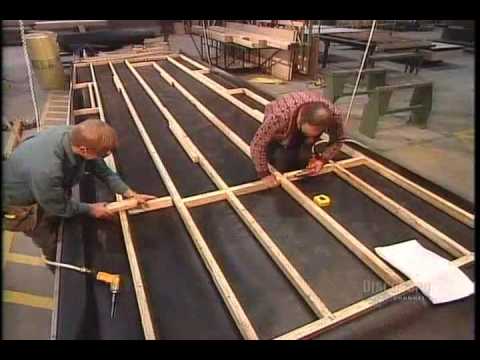
The construction of the floor involves several important steps to create a sturdy and comfortable base for the RV. Workers start by adding a waterproof membrane to prevent any moisture from seeping into the interior of the RV. This membrane is essential to protect the floor from damage caused by water or other liquids.
Next, a spruce frame is constructed and insulated with fiberglass wool. This insulation helps to regulate temperature inside the RV and improve energy efficiency. The frame provides a stable support for the flooring materials.
Once the frame is in place, workers install plywood over it. They cut vent holes in the plywood to accommodate the forced air heating system. Ventilation is crucial to ensure proper airflow and maintain a comfortable environment inside the RV.
After the plywood is installed, workers sand the joints to ensure a smooth and seamless surface. They then glue down linoleum, a durable and easy-to-clean flooring material. Linoleum not only adds a finished look to the floor but also provides a practical and functional surface for RV living.
Cabinetry and Furniture Installation
Creating a comfortable living space in an RV involves installing cabinetry and furniture that are functional and efficient. Workers carefully install the cabinetry, taking into account the layout and design of the RV. This includes cabinets for storage, countertops for meal preparation, and other essential fixtures.
Once the cabinetry is in place, workers connect plumbing fixtures to the water lines coming up from the tanks beneath the floor. This step ensures that water is properly distributed throughout the RV, allowing for everyday tasks such as washing dishes and taking showers. The water system is typically driven by an electric pump.
Simultaneously, workers also install electrical wiring for lights and appliances. This wiring is crucial for providing power to various electrical components in the RV, such as lights and kitchen appliances. Proper electrical installation ensures safety and convenience for RV occupants.

Wall Construction
The construction of walls in an RV involves a few specific steps to ensure a strong and well-insulated structure. Workers begin by installing preassembled walls. These walls are designed and built off-site to streamline the construction process.
While some workers put up the preassembled walls, others run wiring for lights and appliances. The wiring is carefully routed through the walls to provide power to different areas of the RV. This step requires precision and attention to detail to avoid any wiring mishaps.
The inside wall surface of the RV is covered with vinyl paneling. Drywall, which is commonly used in traditional homes, is too heavy for an RV. The vinyl paneling is mounted on a pine structure insulated with fiberglass wool. This insulation helps to regulate temperature and reduce noise transmission inside the RV.
To complete the exterior of the walls, aluminum siding is used. Aluminum is lightweight, durable, and weather-resistant, making it an ideal choice for RV construction. The combination of vinyl paneling and aluminum siding provides both functionality and aesthetic appeal to the RV.
Roof Installation
The roof of an RV is a critical component in protecting the interior from external elements. To construct the roof, workers start by building a pine structure insulated with fiberglass wool. This insulation helps to maintain a comfortable temperature inside the RV and reduce heat loss or gain.
Next, a layer of high-performance waterproof rubber membrane is applied to the roof. This membrane acts as a barrier against water penetration, preventing leaks and damage to the interior. The membrane is carefully nailed down along the perimeter to ensure a secure and tight seal.
Workers also install vents for the toilet, refrigerator, and air circulation. These vents play a crucial role in maintaining proper airflow and preventing moisture buildup. Proper ventilation is essential for the overall comfort and functionality of the RV.
To complete the roof installation, workers caulk all the joints and around the vents. Caulking provides an additional layer of protection against water infiltration and helps to ensure a watertight seal. A thorough and well-executed roof installation is essential for the longevity and durability of the RV.

Window and Door Installation
Installing windows, doors, and awnings is the next step in the construction process. Workers carefully install these components to provide light, ventilation, and access to the RV. Windows and doors are strategically placed to maximize natural light and airflow inside the RV.
Once the windows, doors, and awnings are installed, workers test the water, gas, and electrical systems. This step ensures that all the systems are functioning properly and ready for use. Any issues or leaks discovered during testing are promptly addressed and repaired.
After the initial testing, workers perform what is known as a seal test. A special machine applies air pressure from the inside out, and wherever water bubbles, there may be a leak that needs to be repaired. This thorough testing ensures that the RV is ready to withstand different weather conditions and keep its occupants safe and dry.
Finishing Touches
Adding the finishing touches to an RV involves adding upholstery and decorative elements. These additions not only enhance the comfort and aesthetics of the RV but also reflect the personal style and preferences of the occupants.
In addition to aesthetic elements, workers also focus on ensuring the RV is road-ready. This involves checking and preparing the RV for travel, including routine maintenance tasks such as checking tire pressure and ensuring all systems are in working order. This attention to detail ensures that the RV is safe and ready for its journey on the road.
In conclusion, the construction of a recreational vehicle involves several key steps, from building the frame to installing the finishing touches. Each step requires precision, attention to detail, and a focus on creating a comfortable and functional living space. Whether it’s the frame construction, installation of water and septic tanks, floor construction, cabinetry and furniture installation, wall construction, roof installation, window and door installation, or adding the finishing touches, every aspect contributes to creating a well-designed and efficient RV that is ready for an adventurous road trip.