Are you planning an RV trip to Washington and wondering which campgrounds will give you the best mix of scenery, amenities, and accessibility?
What Are The Best RV Camping Locations In Washington?
Washington offers a wide range of RV camping experiences, from lush rainforests and rugged coastlines to alpine lakes and high desert. You’ll find options for full-hookup RV resorts, family-friendly state parks, remote national park sites, and free or low-cost dispersed spots. This guide helps you choose locations based on what you want to do, when you plan to travel, and how self-sufficient you prefer to be.

How to choose the right RV campground in Washington
Choosing a campground depends on the kind of experience you want, the size and needs of your rig, and the season you’ll be traveling. Think about amenities, access roads, reservations, and proximity to activities.
You should consider whether you want full hookups, winter access, cell service, or proximity to hiking, fishing, or town services. Use the sections below to match destinations to your preferences and make decisions that will make your trip smooth and enjoyable.
Washington regions at a glance
Washington’s geography is diverse, divided broadly into the Olympic Peninsula, Puget Sound and Cascades, eastern Washington, and the Columbia River corridor. Each has distinct climates, activities, and camping styles.
This section gives you a short regional overview so you can decide which type of scenery and activities appeal most to your travel style.
Olympic Peninsula
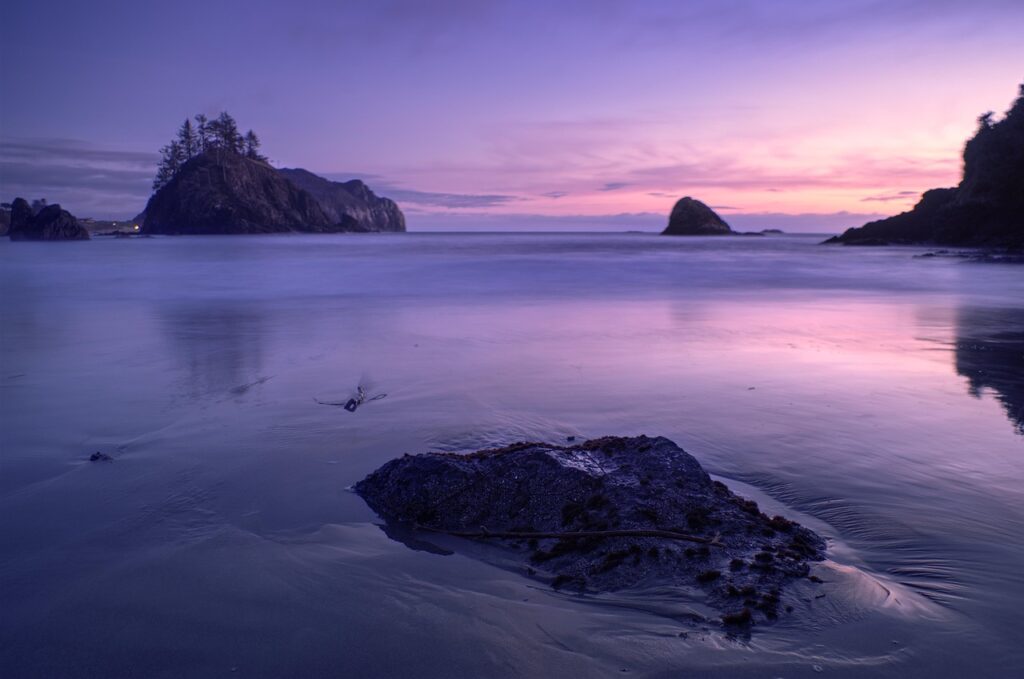
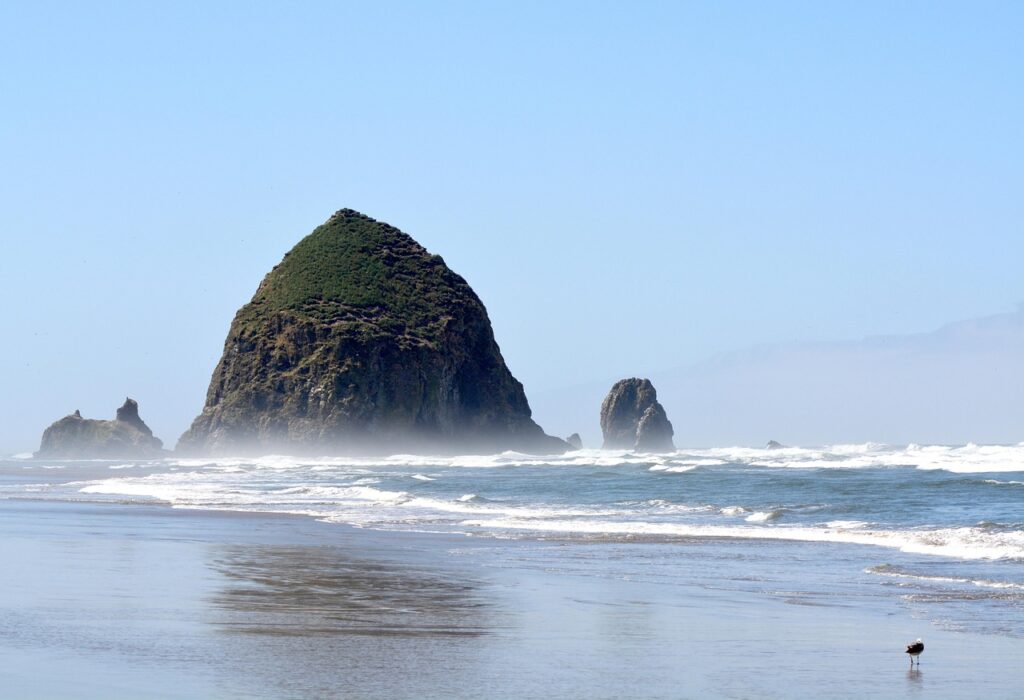
The Olympic Peninsula is green, wet, and wild, with mossy forests, rugged beaches, and temperate rainforest ecosystems. You’ll find beachfront camps and forested sites close to river and mountain trailheads.
The peninsula is ideal if you want coastal sunsets, tidepooling, and cool summer temperatures. Expect variable weather even in summer; pack rain gear.
Puget Sound & North Cascades
This region combines coastal inlets, islands, and dramatic mountain ranges. Ferries connect many camping options, and alpine scenery is abundant in North Cascades and Mount Baker areas.
You’ll find easy access to cities like Seattle but also backcountry routes and high-country lakes. Snow can close many mountain roads in winter.
Mount Rainier & South Cascades
Mount Rainier National Park and surrounding areas offer glacier-fed rivers, subalpine meadows, and iconic mountain views. Campgrounds range from developed RV parks to primitive sites near trailheads.
If you want to be close to mountain scenery and alpine hiking, this is a top choice. Book early for summer; the park is very popular.
Eastern Washington & Columbia River
This region features a different climate—largely dry, sunny, and windy—with river gorges, orchards, and rolling hills. Lake Chelan and the Columbia River Gorge give you water-based recreation combined with wine country and unique geology.
You’ll find many large, flat sites suitable for big rigs. Summer temperatures can be high; plan for shade or heat safety.
Top RV camping locations in Washington — detailed list
Below are the best RV camping locations arranged by region. Each entry includes what makes it special, typical amenities, best seasons, and tips for your stay.
Olympic National Park & Peninsula
- What makes it special: Rainforest, rugged coastline, and alpine peaks within the same park. Moraine Park, Kalaloch, and Hoh Rain Forest are iconic areas.
- Typical amenities: Developed campgrounds with vault toilets, potable water; some sites have limited hookups outside the park.
- Best season: Late spring through early fall for best road and trail access.
- Tips: Kalaloch and Rialto Beach are amazing at low tide for tidepooling; bring warm, waterproof clothing.
Recommended campgrounds:
- Kalaloch Campground: Large loops, oceanfront sites, book early.
- Sol Duc Campground: Near hot springs and waterfalls, forested sites.
- Hoh Campground: Close to the rain forest trails, limited facilities.
North Cascades & Mount Baker
- What makes it special: Remote mountain scenery with jagged peaks, alpine lakes, and less-crowded trails than the Olympics or Rainier.
- Typical amenities: Campgrounds often have vault toilets and potable water; few full-hookup sites.
- Best season: Summer through early fall; high-elevation roads may not open until July.
- Tips: Narrow, winding access roads; check clearance and towing limits for your RV.
Recommended campgrounds:
- Newhalem River Campground: Near North Cascades National Park visitor facilities.
- Colonial Creek Campground (Lake Chelan NRA): Good for big rigs with lakeshore camping.
- Baker Lake Campgrounds: Scenic lakeside sites with hiking and fishing.
Mount Rainier National Park & South Cascades
- What makes it special: Iconic stratovolcano with meadows, glaciers, and classic Pacific Northwest alpine scenery.
- Typical amenities: Park campgrounds are more primitive; nearby private RV parks provide full hookups.
- Best season: Summer for full access; winter access limited and roads often closed.
- Tips: Reserve early (especially in July–August); altitude and snowfields can change trail conditions rapidly.
Recommended campgrounds:
- Cougar Rock & Ohanapecosh Campgrounds: Forested sites near major trailheads.
- White River Campground: High-elevation, close to Sunrise area.
- Longmire Campground: Lower elevation, good for visitor center access.
Puget Sound Islands & San Juan Islands
- What makes it special: Marine life, island-hopping, whale watching, and scenic ferry rides.
- Typical amenities: Limited large RV access on some islands; private parks on main islands offer full hookups.
- Best season: Late spring through early fall; summer brings peak ferry traffic.
- Tips: Check ferry size restrictions for large rigs; book ferry reservations and island campgrounds in advance.
Recommended campgrounds:
- San Juan County Park (Orcas Island): Forested sites, cliff-top views.
- Jones Island Marine State Park: Primitive, boat-access sites if you plan to trailer a smaller boat.
- Lakedale Resort (San Juan Islands): Private RV-friendly resort with full-service sites.
Columbia River Gorge & Eastern Washington
- What makes it special: Big-sky landscapes, windsurfing areas, river canyons, and dramatic basalt cliffs.
- Typical amenities: Many state parks and private RV parks with full hookups and large sites.
- Best season: Spring through fall; winds can be strong in summer at certain spots.
- Tips: Wind can affect towing and camping comfort; choose sheltered sites when possible.
Recommended campgrounds:
- Columbia Hills State Park: Easy river access and windsurfing opportunities.
- Vantage/Cascade area campgrounds: Good services and access to local wineries.
- Sun Lakes-Dry Falls State Park: Unique geological formations and lakeside camping.
Lake Chelan & North Central Washington
- What makes it special: One of the warmest and driest parts of the state, with a deep, glacier-fed lake that’s great for boating and swimming.
- Typical amenities: Private resorts and state park campgrounds with varying levels of hookups.
- Best season: Summer is ideal for water recreation.
- Tips: Popular in summer—book early. If you want calm water, avoid extremely windy afternoons.
Recommended campgrounds:
- Chelan State Park: Lakeside sites and boat-launch facilities.
- Twenty-Five Mile Creek State Park: Family-friendly with full-service facilities.
- Stehekin (accessible by ferry/plane only): Remote and scenic if you can leave your RV for a day or two while you visit.
Central & Southeastern Washington (Palouse and Blue Mountains)
- What makes it special: Rolling farmland, unique geology, and quiet rural roads. Palouse offers photogenic golden hills.
- Typical amenities: County parks and private RV parks offer full hookups; many dispersed options on public lands.
- Best season: Late spring through fall for best photo conditions and harvest-time colors.
- Tips: Roads are generally RV-friendly and flat; check private farm stands and local wineries for regional charm.
Recommended campgrounds:
- Steptoe Butte State Park (viewing area): Great for photos and easy pull-through parking.
- Palouse Falls State Park: Dramatic canyon and waterfall views—camping nearby at county parks.
- Hells Gate State Park: Along the Snake River with easy RV access.
Comparison table: popular campgrounds and key details
| Campground/Location | Region | Hookups | Typical Season | Best for |
|---|---|---|---|---|
| Kalaloch Campground | Olympic Peninsula | Mostly none | May–Sep | Oceanfront sites, tidepooling |
| Sol Duc Campground | Olympic Peninsula | Some partial | May–Sep | Hot springs, forest hikes |
| Colonial Creek | North Cascades/Lake Chelan | Limited | Jul–Sep | Lakeside camping, boating |
| Cougar Rock (Mount Rainier) | Mount Rainier | No | Jun–Sep | Mountain views, trails |
| San Juan County Park | San Juan Islands | Limited/none | May–Sep | Island coastal camping |
| Chelan State Park | Lake Chelan | Some hookups | Jun–Sep | Boating, swimming |
| Columbia Hills State Park | Columbia River | Full/partial | Apr–Oct | Windsports, fishing |
| Sun Lakes-Dry Falls | Central WA | Partial/full | Apr–Oct | Geological formations, family camping |
| Vantage/Columbia River | East WA | Full | Apr–Oct | Large RV sites, services |
| Palouse & Steptoe Butte area | Palouse | Mostly no | May–Oct | Photography, quiet rural sites |
Use this table to quickly compare what each site provides and decide which matches your requirements.

Private RV parks vs state and national campgrounds
Private RV resorts often offer full hookups, on-site stores, Wi-Fi, laundry, and other conveniences, which makes extended stays easier. State parks provide a closer-to-nature experience with variable amenities. National park campgrounds focus on access to trails and scenery and tend to be more primitive.
You should decide whether you value convenience and services or proximity to natural settings. Private parks are best for longer stays and wintering; state and national sites are best for active, outdoor-focused travel.
Boondocking and dispersed camping in Washington
Boondocking (camping without hookups) and dispersed camping are available on some national forest lands and Bureau of Land Management (BLM) areas, especially in eastern and central Washington.
You must follow Leave No Trace principles and check local regulations, fire restrictions, and seasonal closures. Dispersed camping often requires a self-contained RV with water and waste capacity, and you’ll likely need a portable solar or generator for power.
Reservations, permits, and fees
High-demand campgrounds can book months in advance, especially near Mount Rainier, Olympic National Park, and popular lakefront state parks. The Washington State Parks reservation system and Recreation.gov for national parks are common booking platforms.
National park entry fees and special permits (e.g., wilderness permits) may apply. Always check campground size limits, maximum RV lengths, and vehicle restrictions before booking.
Seasonal considerations and what to expect
Washington’s climate varies dramatically across regions and seasons. Western Washington (coastal and Cascades) is cooler and wetter, while eastern Washington is warmer and drier.
- Spring: Snow recedes; high-elevation roads may remain closed until late spring/early summer. Wildflowers begin to bloom by late spring.
- Summer: Most accessible season; campgrounds are busier. Eastern Washington can be very hot.
- Fall: Fewer crowds, beautiful foliage at certain elevations, but cooler nights and early mountain snows are possible.
- Winter: Many campgrounds close; some remain open for snow-focused recreation. Road conditions can be hazardous in mountains.
Plan for variability: pack layers, waterproof gear, sun protection for eastern Washington, and be prepared for limited services in remote areas.
RV size, road access, and clearance
Many scenic campgrounds in Washington have narrow or winding access roads not suitable for large rigs or trailers. You should check maximum vehicle length and any low-clearance obstacles before heading to a site.
If you have a very large motorhome, prioritize state parks and private RV parks that explicitly advertise pull-through and level sites. For mountain areas, consider using a smaller tow vehicle or finding nearby private storage for large rigs.
Utilities, hookups, and dump stations
Hookup availability varies widely. Full-hookup sites (water, electric, sewer) are common at private parks and many eastern Washington state parks. Western Washington state parks and national park campgrounds more often have limited or no hookups.
Locate dump stations along your route—many county parks, RV service centers, and highway rest stops provide them. Keep a portable water hose, fresh water connector, adapter kit, and surge protector on hand.
Cell service and internet
Cellular coverage is excellent in urban and many lowland areas, but it becomes patchy or nonexistent in mountainous and remote coastal areas. If staying in remote campgrounds, rely on offline maps and bring backup navigation.
If internet is important, look for campgrounds with advertised Wi-Fi or near towns with broadband. Consider a cellular booster or a mobile hotspot if you travel in remote regions.
Wildlife and safety
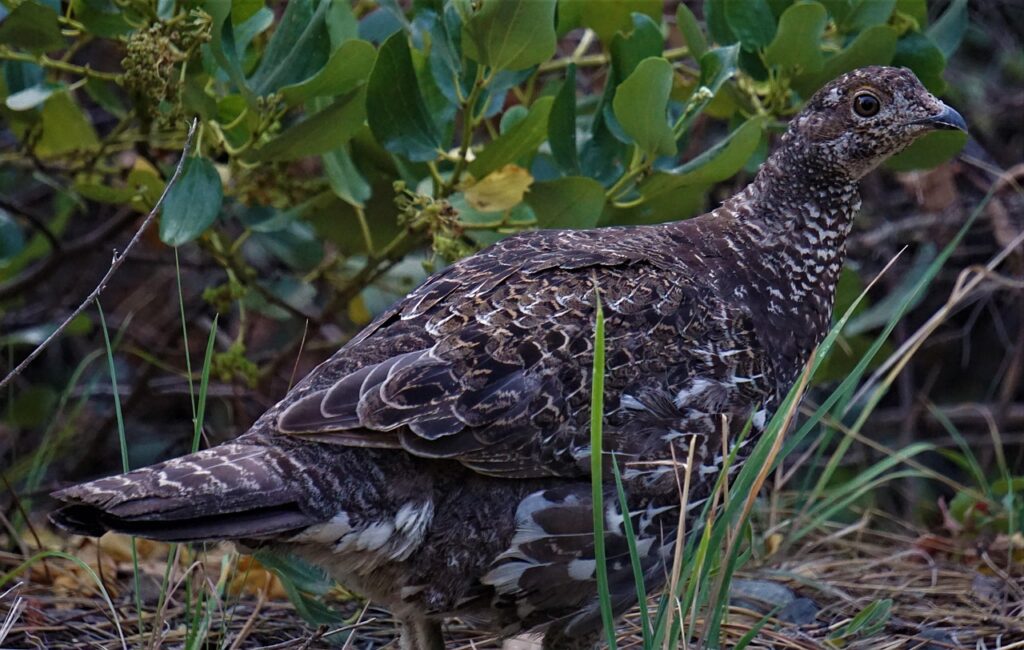
Washington supports diverse wildlife, including black bears, cougars, elk, deer, and marine mammals. You should:
- Store food and scented items in locked vehicles or bear-proof containers where required.
- Keep a safe distance from wildlife and never feed animals.
- Follow campground rules about trash and disposal.
Fire safety is crucial—observe local fire restrictions and never leave fires unattended. High summer temperatures and dry conditions increase fire risk in eastern and central Washington.
Self-contained RV tips (water, propane, power)
If you plan to boondock or stay at primitive sites, maintain extra water capacity and propane reserves. Solar panels and a backup generator increase self-sufficiency.
Plan for gray-water and black-water management and know where to empty tanks legally. Carry extra water filters and purification options for emergency use.
Family-friendly and pet-friendly options
Many state parks are family-friendly with playgrounds, swimming, and easy trails. Pet rules vary—some parks allow dogs on certain trails but not in designated protected areas, and national parks often have strict leash rules.
Always check park-specific pet policies. You should also bring pet essentials: water bowl, leash, waste bags, and up-to-date vaccinations.
Seasonal highlights and recommended activities
- Spring: Wildflower viewing in eastern Washington (Palouse), lower-elevation hiking on the peninsula.
- Summer: Whale watching in the San Juans, lake recreation at Lake Chelan, alpine hikes in North Cascades.
- Fall: Foliage and quieter campgrounds in mountain areas, harvest festivals and wineries in Columbia Valley.
- Winter: Snowshoeing near Mount Rainier, snowmobiling in designated forests, and lower-elevation coastal camping if roads are open.
Use activities to guide where you stay—if you want kayaking and whales, base in the San Juans; for alpine hiking, choose North Cascades or Rainier access.
Suggested itineraries
Here are sample RV itineraries tailored to different trip lengths and interests. Each itinerary keeps driving times reasonable and balances activity time with relaxation.
3–4 day coastal & rainforest loop (Olympic Peninsula)
- Day 1: Arrive at Port Angeles, set up at a nearby RV park, visit Hurricane Ridge.
- Day 2: Drive to Hoh Rain Forest, short hikes and visitor center, camp near Hoh.
- Day 3: Head to Kalaloch or Rialto Beach for ocean sunset and tidepooling.
- Day 4: Return via coastal routes, stop at Ruby Beach and exit near Aberdeen.
This loop gives you a quick sampling of rainforest, mountains, and coast without long driving pushes.
7–10 day mountain & island combo (San Juans + North Cascades)
- Days 1–2: Base near Anacortes, take a ferry to San Juan Islands, whale watch, bike around Orcas.
- Days 3–4: Return to Anacortes, drive to North Cascades, camp near Ross Lake or Colonial Creek.
- Days 5–6: Hike alpine trails or take easy lake paddles, then drive toward Mount Baker for contrast.
- Day 7: Head back to Puget Sound area for departure.
This itinerary balances water-based activities with high-country hiking.
10–14 day east-west scenic loop (Columbia River + Palouse + Rainier)
- Days 1–3: Start in eastern Washington (Vantage, Palouse), photograph Steptoe Butte and Palouse Falls.
- Days 4–6: Travel west to Lake Chelan for boating and relaxation.
- Days 7–9: Head south to Mount Rainier for alpine scenery and wildflower meadows.
- Days 10–12: Finish on the Olympic Peninsula or Puget Sound islands if time permits.
This loop showcases the state’s dramatic climate and landscape shifts.
Packing checklist for RV camping in Washington
- Basic vehicle/RV: Owner’s manual, tow tools, spare tire, leveling blocks, wheel chocks, surge protector, extension cord adapters.
- Utilities: Fresh water hose, water pressure regulator, sewer hose kit, portable water filter, portable generator or solar setup.
- Comfort & safety: Warm layers, rain jacket, sleeping bags/blankets for cool nights, headlamps, first-aid kit.
- Kitchen & food: Cooler, nonperishable foods, bear-proof containers or sealed bins, propane tanks with spare.
- Recreation: Hiking boots, daypack, binoculars for whale/mammal watching, kayaks or paddleboards if you’ll be on lakes.
- Tech & navigation: Offline maps, spare phone charger, cellular booster, campground printouts/reservation confirmations.
- Pets/children: Pet supplies, life jackets for water activities, games and entertainment for downtime.
Having this kit will reduce surprises and let you focus on scenery and activities.
Reservation and timing tips
- Book as early as possible for summer stays; national parks often fill up months ahead.
- If your dates are flexible, try mid-week stays to avoid weekend crowds.
- Check cancellation policies—many sites have strict cutoffs or fees.
- For ferries to islands, check size restrictions, seasonal schedules, and reservation windows.
Being organized about reservations will save you stress, especially during high season.
Responsible camping and Leave No Trace
You should practice Leave No Trace principles—pack out all trash, minimize campfire impacts, respect wildlife, and stay on designated roads and sites. Many sensitive ecosystems in Washington require special protection to remain healthy for future visitors.
Follow campsite rules about generators, quiet hours, and pet management to maintain a good relationship with other campers and local communities.
Final tips and recommendations
- If you prefer hookups and reliable services, focus on private parks and eastern Washington state parks.
- For solitude and scenery, aim for national forest dispersed sites or less-popular state parks in shoulder seasons.
- Always check road conditions, trail closures, and weather forecasts before starting mountain drives.
- Keep flexibility in your plans; Washington’s weather and road access can change rapidly.
Choosing the right mix of convenience and wilderness will let you relax and enjoy everything Washington’s varied landscapes offer.
Resources and next steps
Now that you have a clearer sense of regions, campground types, and logistical considerations, decide on the dates you want to travel and list your must-see destinations. Check reservation portals for availability, confirm RV length limits, and prepare your vehicle and supplies.
If you’re ready to pick a region, I can help you narrow down campgrounds by specific needs (hookups, pet-friendly, big-rig access) and build a customized itinerary that fits your travel style and schedule.