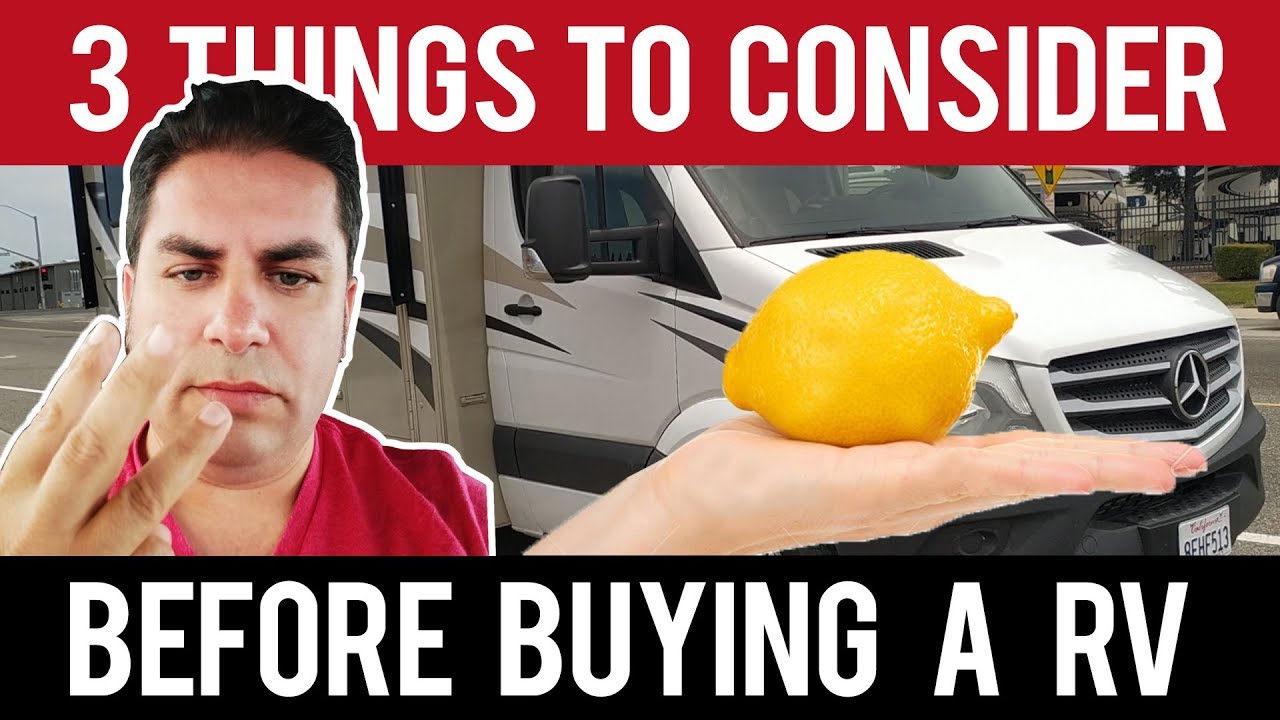
Today, you’ll discover three essential tips to avoid purchasing a lemon recreational vehicle. This video by RANDOMFIX will guide you on what to look for when buying an RV, so you don’t end up with a lemon. With valuable insights on what RV dealers don’t want you to know, you’ll be well-equipped to make an informed decision before returning your lemon RV back to the dealership.
RANDOMFIX emphasizes the importance of understanding the signs of a lemon RV and provides practical advice on how to spot potential issues before making a purchase. By watching this video, you’ll gain valuable knowledge on how to protect yourself from buying a faulty RV, ensuring a stress-free and enjoyable experience on the road. Remember, being informed is key to avoiding the hassle of dealing with a lemon recreational vehicle.
Understanding Lemon RVs
When it comes to recreational vehicles (RVs), the term “lemon” is used to describe a vehicle that has recurring, unfixable issues that substantially impair its use, safety, or value. Lemon RVs can be a frustrating and expensive problem for RV owners, but with proper research, inspection, and knowledge of lemon laws, you can avoid purchasing a lemon RV.
Definition of a Lemon RV
A lemon RV is essentially a defective vehicle that has substantial issues affecting its usability, safety, and value. These issues are typically recurring and cannot be adequately repaired despite multiple repair attempts by the manufacturer or dealership. Lemon RVs can vary in severity, from minor inconveniences to serious safety hazards, and are a significant concern for RV owners looking to enjoy their travels without constant breakdowns and repairs.
Common Issues with Lemon RVs
Common issues that classify an RV as a lemon include repetitive mechanical failures, safety-related defects, electrical system malfunctions, water leaks, and structural defects. These issues can make it challenging for RV owners to enjoy their trips and can lead to a significant financial burden due to repair costs and loss of use. By being aware of these common issues, you can better protect yourself from purchasing a lemon RV.
Researching Before Buying
Before making a purchase, it is crucial to conduct thorough research to ensure that you are not buying a lemon RV. By checking reviews and ratings, inspecting the vehicle history report, and consulting with RV enthusiasts, you can gather valuable information that will help you make an informed decision.
Check Reviews and Ratings
Reading reviews from other RV owners and checking ratings of different RV models can give you insight into the reliability and performance of specific vehicles. Look for patterns of recurring issues or complaints that may indicate potential problems with certain RV models.
Inspect the Vehicle History Report
Obtaining a vehicle history report can reveal important information about the RV’s past, including accident history, title status, previous owners, and service records. A clean vehicle history report can provide peace of mind that the RV has not been involved in any serious accidents or issues.
Consulting with RV Enthusiasts
Talking to experienced RV owners or enthusiasts can provide valuable insights into common problems with certain RV models, maintenance tips, and recommendations for reliable RV brands. RV enthusiasts are often eager to share their knowledge and experiences to help others avoid purchasing lemon RVs.
Pre-Purchase Inspection
One of the most crucial steps in avoiding a lemon RV is to conduct a pre-purchase inspection. Hiring a professional inspector, thoroughly inspecting the interior and exterior of the RV, and taking it for a test drive can help you identify any potential issues before making a purchase.
Hire a Professional Inspector
A professional RV inspector can thoroughly assess the overall condition of the RV, identify any hidden issues, and provide you with a detailed inspection report. Their expertise can uncover issues that may not be apparent to the untrained eye, potentially saving you from buying a lemon RV.
Thoroughly Inspect Interior and Exterior
Inspecting the interior and exterior of the RV for signs of wear, water damage, rust, or structural issues is essential to spotting potential red flags. Pay attention to details such as the condition of the appliances, plumbing systems, electrical systems, and overall cleanliness and maintenance of the RV.
Test Drive the RV
Taking the RV for a test drive allows you to assess its driving performance, handling, and overall condition. Listen for unusual noises, vibrations, or handling issues that could indicate mechanical problems. A test drive is an excellent opportunity to evaluate the RV’s comfort, convenience features, and safety systems.
Understanding Lemon Laws
Lemon laws are designed to protect consumers who purchase defective vehicles, including RVs, by providing legal remedies for those who end up with a lemon. Understanding your rights as a consumer, the criteria for lemon RV classification, and the legal actions you can take can help you navigate the process if you find yourself with a lemon RV.
Know Your Rights as a Consumer
As a consumer, you have specific rights under lemon laws that vary by state. These rights typically include the right to a refund, replacement vehicle, or compensation if you purchase a lemon RV. Familiarize yourself with the lemon laws in your state to understand what protections are available to you.
Understand Lemon RV Criteria
Lemon laws have specific criteria that must be met for an RV to be classified as a lemon. These criteria typically include a certain number of repair attempts within a specific period, a significant defect that impacts safety or value, or a prolonged period where the RV is unusable due to repairs. Knowing these criteria can help you determine if your RV qualifies as a lemon.
Legal Actions You Can Take
If you believe you have purchased a lemon RV, there are legal actions you can take to seek recourse. This may include pursuing a refund or replacement vehicle through arbitration, mediation, or litigation. Consulting with a consumer protection attorney can help you understand your options and navigate the process of resolving disputes with the manufacturer or dealership.

Establishing a Budget
When purchasing an RV, it is essential to establish a realistic budget that accounts for the initial purchase price, maintenance costs, and insurance expenses. By setting a budget and considering potential costs, you can avoid financial strain and unexpected expenses associated with owning an RV.
Setting a Realistic Budget
Consider your financial situation and establish a budget that includes the purchase price of the RV, sales tax, registration fees, and any financing costs. Factor in ongoing expenses such as fuel, maintenance, storage fees, and campground costs to ensure that you can comfortably afford to own an RV.
Factor in Maintenance Costs
RVs require regular maintenance to keep them in optimal condition and prevent costly repairs down the line. Budget for routine maintenance tasks such as oil changes, tire rotations, brake inspections, and generator service. Additionally, set aside funds for unexpected repairs or emergencies that may arise while you are on the road.
Consider Insurance Options
Insurance is a crucial aspect of RV ownership that can protect you financially in the event of an accident, theft, or liability claim. Research insurance options for RVs, including coverage for damage, personal belongings, liability, and roadside assistance. Compare quotes from different insurance providers to find a policy that meets your coverage needs and budget.
Seeking Professional Advice
Seeking advice from RV mechanics, experts, and attending RV shows and seminars can provide valuable information and recommendations to help you avoid purchasing a lemon RV. By consulting with professionals and attending industry events, you can gain insights into RV maintenance, purchasing tips, and reputable brands.
Consult with RV Mechanics
RV mechanics have specialized knowledge and experience working on RVs and can offer valuable advice on common issues, maintenance recommendations, and potential red flags to look out for when purchasing an RV. Consult with a trusted RV mechanic for a pre-purchase inspection or general maintenance tips.
Get Recommendations from Experts
Industry experts, including RV bloggers, YouTubers, and publications, can provide valuable insights into RV ownership, maintenance, and purchasing considerations. Follow trusted experts in the RV community for product reviews, maintenance tips, and recommendations on reliable RV brands.
Attend RV Shows and Seminars
Attending RV shows, expos, and seminars can be an excellent way to learn about the latest RV models, accessories, and technologies. These events often feature product demonstrations, educational seminars, and networking opportunities with RV enthusiasts and industry professionals. By attending RV shows, you can stay informed about the RV market and make well-informed purchasing decisions.

Documenting Everything
Keeping detailed records of your RV purchase, maintenance, repairs, and communications with the dealership can help protect you in case of disputes or warranty claims. By documenting everything related to your RV, you can ensure that you have evidence to support your claims and protect your rights as a consumer.
Keep Records of Communication with Dealership
Save emails, letters, and notes from phone calls with the dealership regarding your RV purchase and any repair or maintenance issues. Keep a detailed log of all communications, including dates, names of representatives, and the nature of the discussions. This documentation can be invaluable if you need to prove your interactions with the dealership.
Maintain Service and Repair Documents
Keep all service and repair records for your RV, including invoices, receipts, and work orders. Document all maintenance tasks, repairs, parts replacements, and inspections performed on the RV. These records can help you track the history of your RV, identify recurring issues, and demonstrate that you have maintained the vehicle properly.
Document Test Drives and Inspections
Record details of any test drives, pre-purchase inspections, and walkthroughs of the RV before finalizing the purchase. Note any issues or concerns that arise during these activities, take photographs or videos if possible, and ask for written inspection reports. This documentation can be crucial in proving the condition of the RV at the time of purchase and identifying any pre-existing defects.
Understanding Manufacturer Warranties
Manufacturer warranties provide coverage for specific repairs and replacements for a set period after purchasing an RV. Reviewing the warranty coverage, understanding limitations, and knowing how to make warranty claims can help you leverage your warranty protection and address any issues that arise with your RV.
Review Warranty Coverage
Carefully review the manufacturer’s warranty included with your RV to understand what repairs and components are covered under the warranty. Note the duration of the warranty, any exclusions or limitations, and the procedure for making warranty claims. Be aware of any maintenance requirements or conditions that may impact your warranty coverage.
Understand Warranty Limitations
Manufacturer warranties typically have limitations on coverage, including exclusions for normal wear and tear, damage from misuse or neglect, and modifications made to the RV. Familiarize yourself with the limitations of your warranty to avoid disputes with the manufacturer or warranty provider when making a claim.
Know How to Make Warranty Claims
In the event that you need to make a warranty claim for repairs or replacements, follow the procedure outlined in the warranty documentation provided by the manufacturer. Contact the authorized service center or dealership specified by the manufacturer to initiate the warranty claim process. Keep detailed records of all warranty claims, repairs, and communications to ensure that your claims are processed efficiently and accurately.

Considering Second-Hand Options
While purchasing a new RV can be exciting, exploring second-hand options can offer a more affordable alternative with unique benefits and drawbacks. By researching pre-owned RVs, considering the advantages and disadvantages of buying used, and inspecting second-hand RVs thoroughly, you can make an informed decision that fits your budget and preferences.
Research Pre-Owned RVs
Researching pre-owned RVs online, visiting dealerships, and attending RV shows can help you find a suitable second-hand RV that meets your needs and budget. Look for well-maintained RVs with detailed service records, low mileage, and a history of regular maintenance to ensure that you are getting a reliable vehicle.
Benefits and Drawbacks of Buying Used
Buying a used RV can offer significant cost savings compared to purchasing a new RV, allowing you to enjoy the RV lifestyle without breaking the bank. However, used RVs may have more wear and tear, potential mechanical issues, and outdated features that may require upgrades or repairs. Consider the trade-offs between cost savings and potential maintenance expenses when buying a used RV.
Inspecting Second-Hand RVs
Before purchasing a second-hand RV, conduct a thorough inspection of the vehicle to assess its condition, identify any existing issues, and determine its overall value. Look for signs of water damage, rust, mold, mechanical problems, and structural issues that may indicate potential problems. Consider hiring a professional inspector to assist with the inspection and provide an unbiased assessment of the RV.
Conclusion
In conclusion, understanding how to avoid purchasing a lemon RV is essential for every prospective RV owner. By conducting thorough research before buying, prioritizing pre-purchase inspections, knowing your rights under lemon laws, establishing a realistic budget, seeking professional advice, documenting everything related to your RV, understanding manufacturer warranties, and considering second-hand options, you can minimize the risk of ending up with a lemon RV. Remember to take your time, gather as much information as possible, and make informed decisions to ensure that your RV ownership experience is enjoyable, safe, and free of lemon-related issues.
Summarizing the Importance of Avoiding Lemon RVs
Avoiding lemon RVs is crucial to protect yourself from the financial burden and safety risks associated with owning a defective vehicle. By following the tips outlined in this article, you can minimize the chances of purchasing a lemon RV and enjoy worry-free travels in your RV.
Reiterating the 3 Tips for Avoiding Lemon RVs
- Conduct thorough research before buying an RV, including checking reviews, inspecting vehicle history reports, and consulting with RV enthusiasts.
- Prioritize pre-purchase inspections by hiring a professional inspector, thoroughly examining the RV’s interior and exterior, and taking it for a test drive.
- Know your rights under lemon laws, understand warranty coverage, and document everything related to your RV ownership to protect yourself in case of disputes or warranty claims.
By following these three tips and implementing the advice provided in this article, you can confidently navigate the process of purchasing an RV and avoid the pitfalls of ending up with a lemon RV. Happy RVing!